
Last updated November 4, 2026
 Whole-home duct cleaning
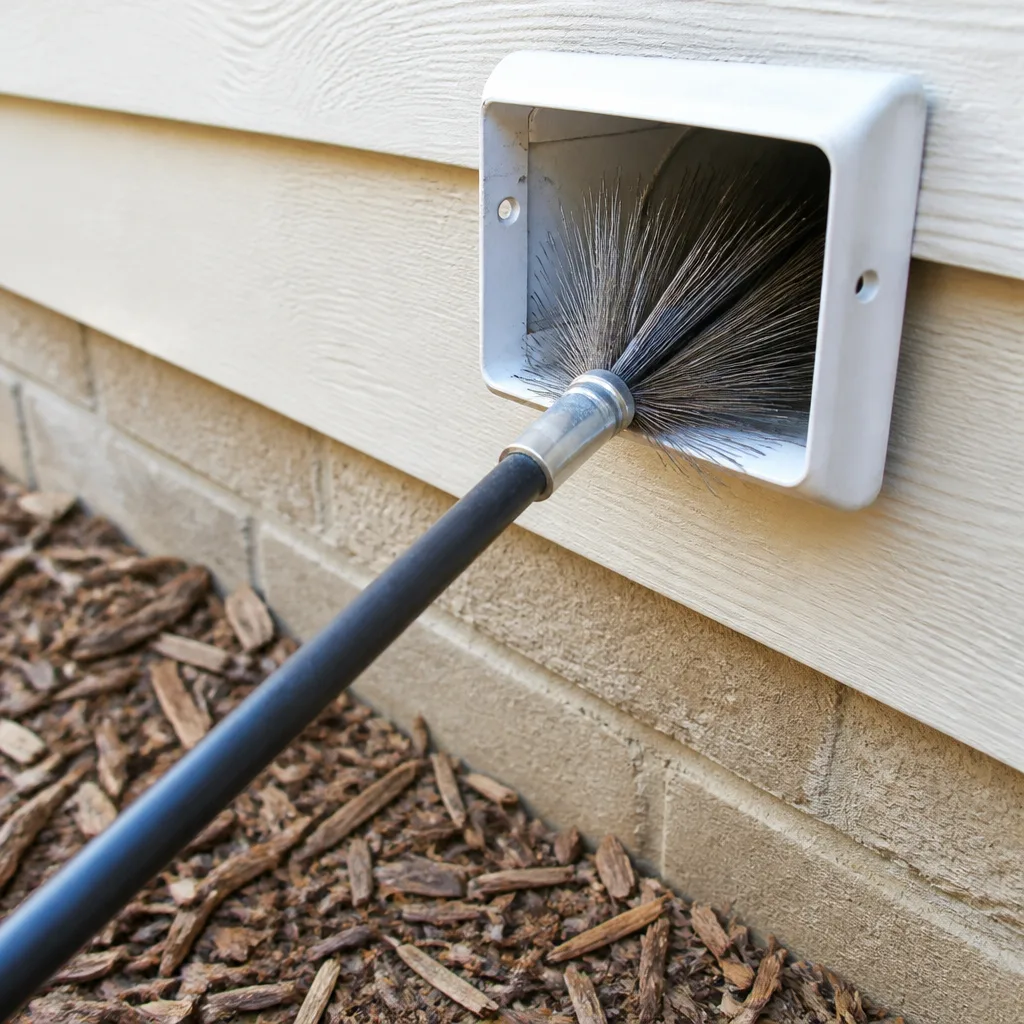 Dryer vent cleaning
 Camera inspection
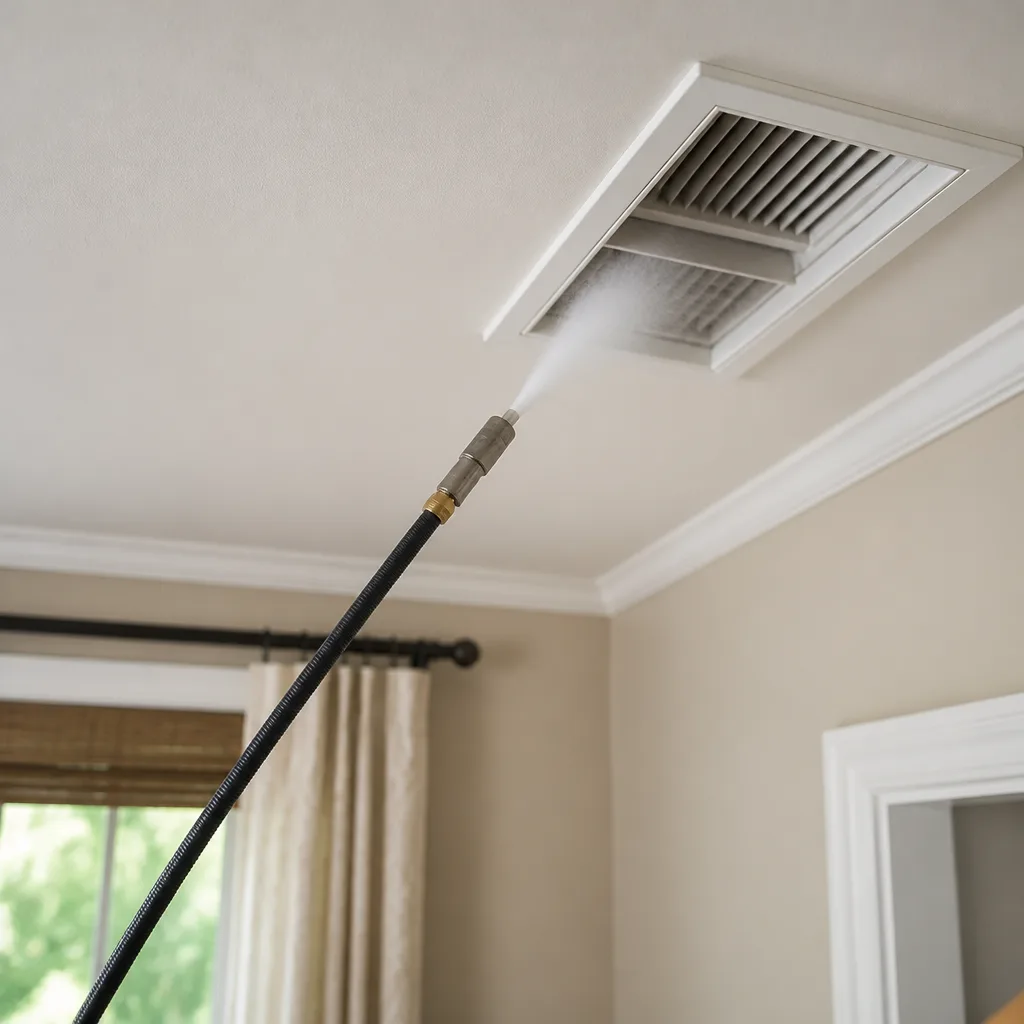 Sanitizing & deodorizing
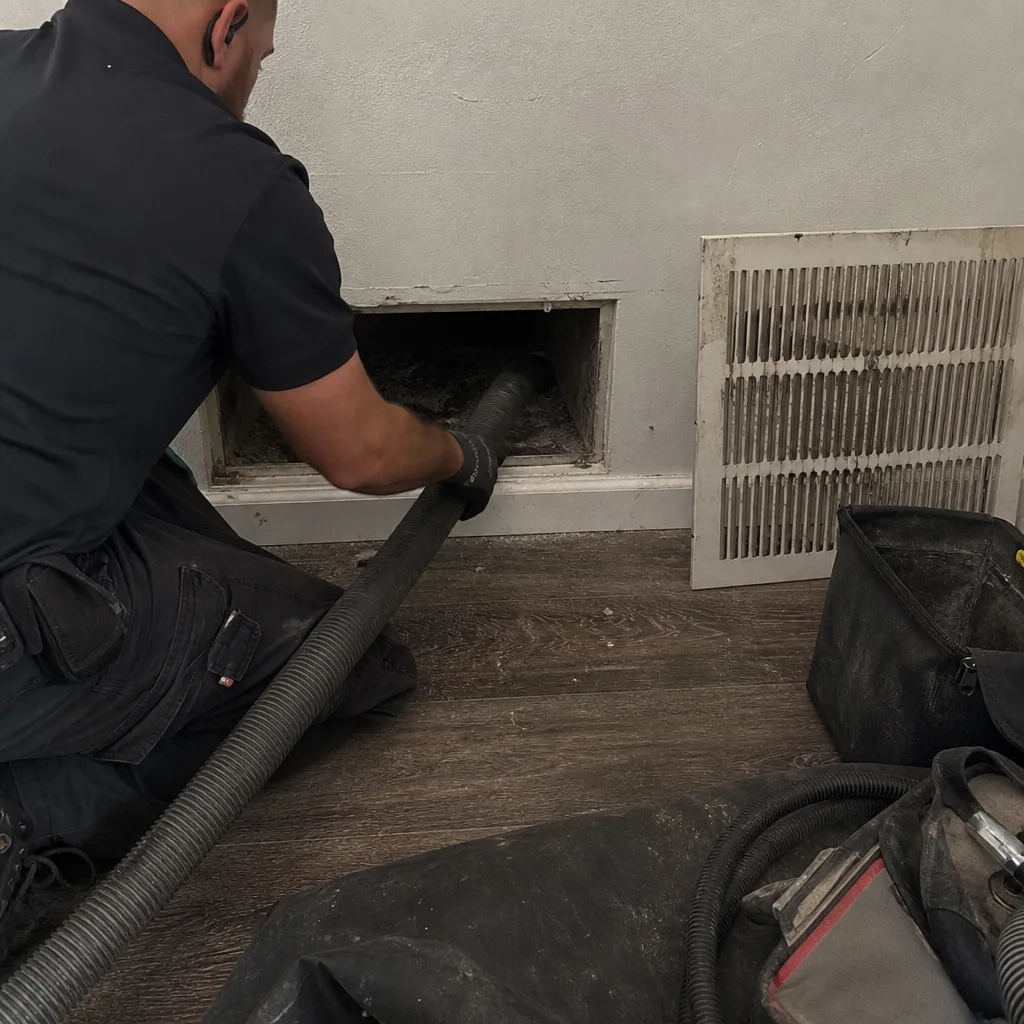
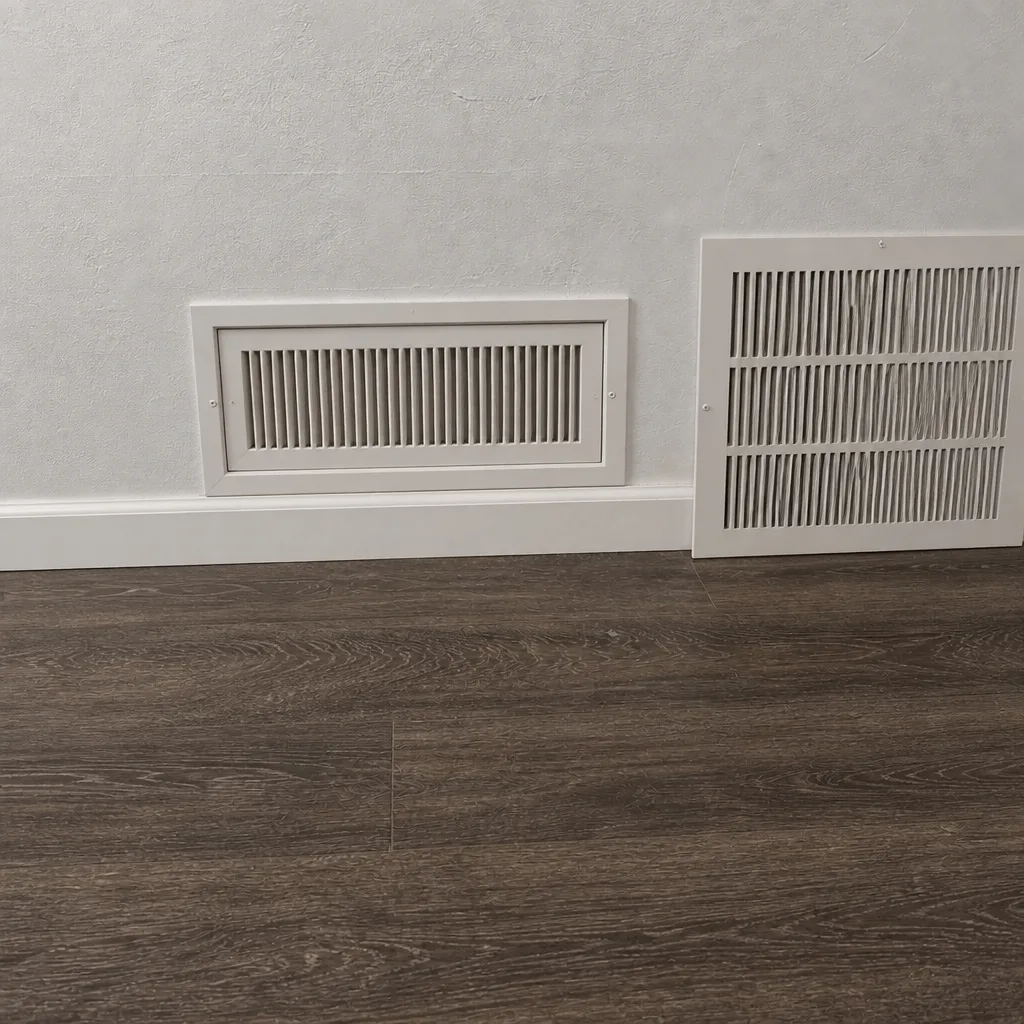
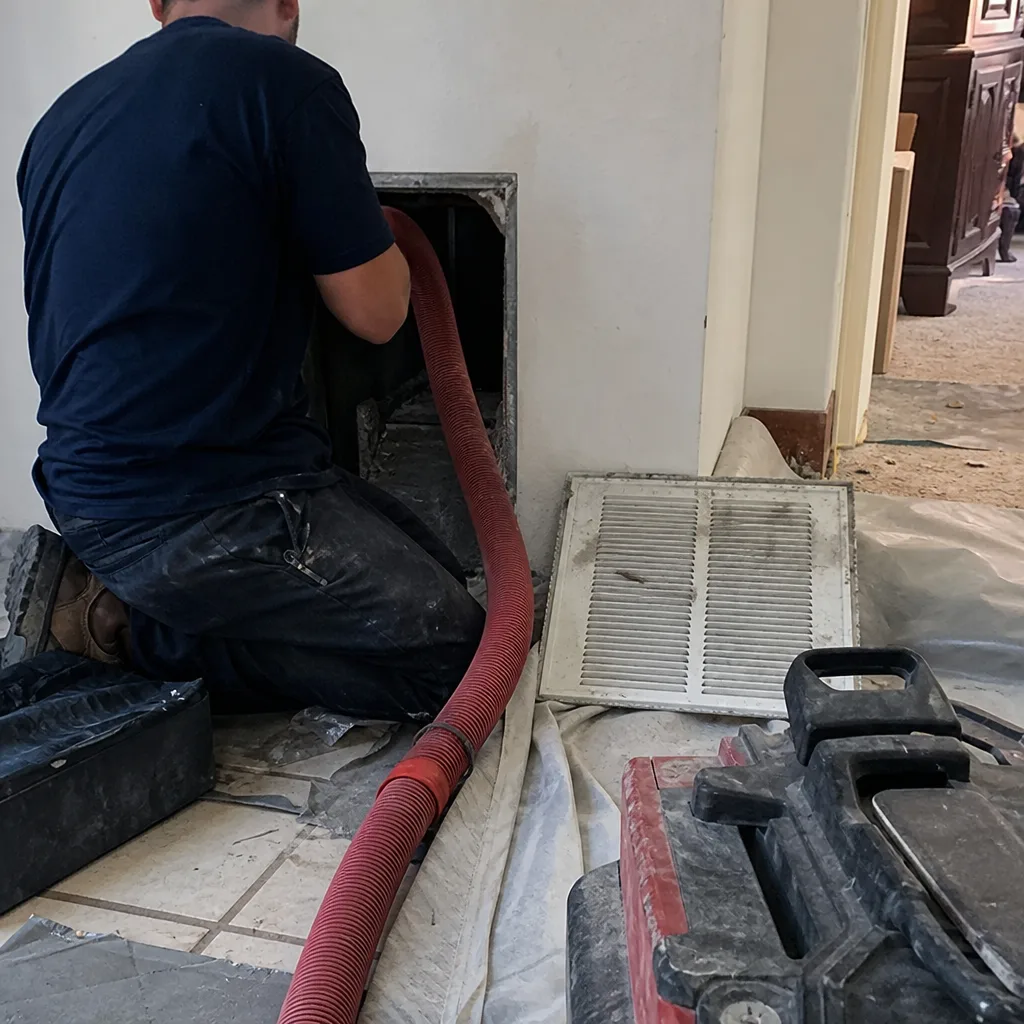
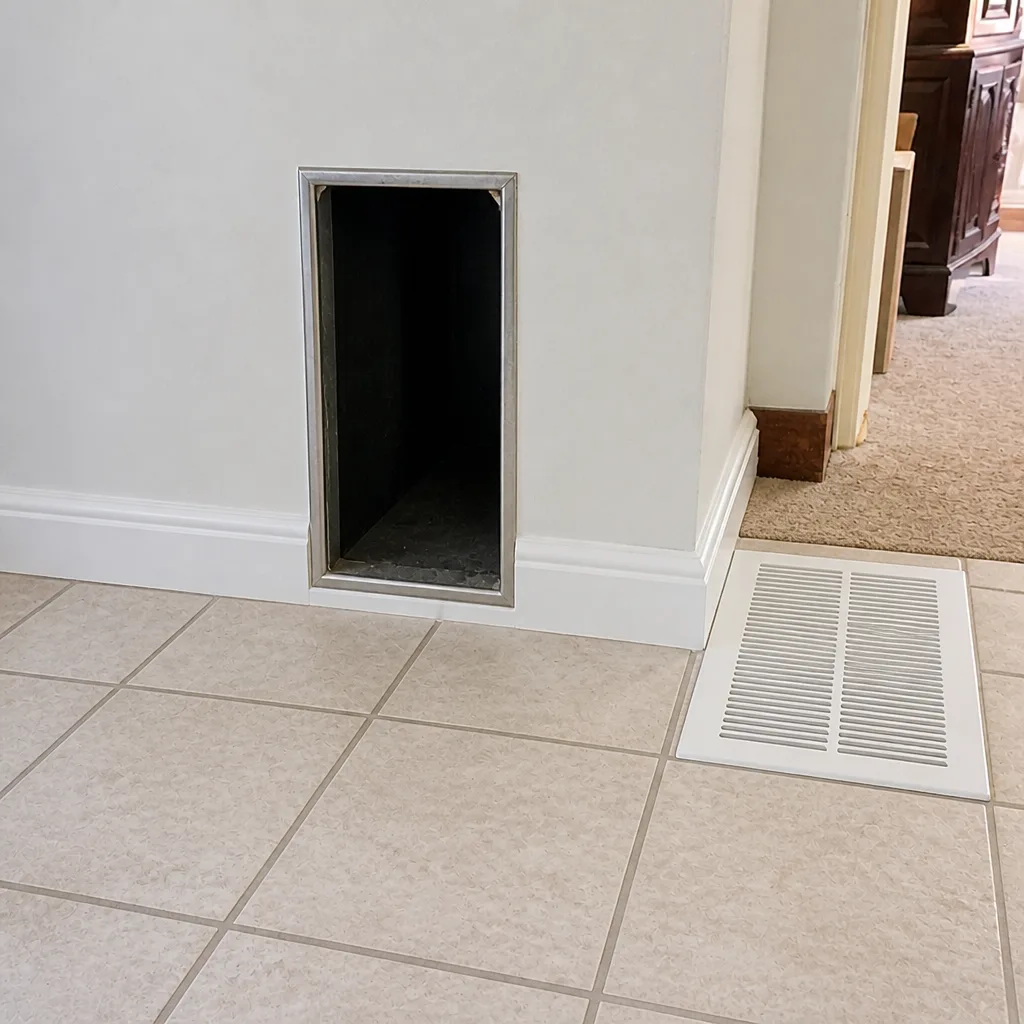
Whole-system duct and dryer vent check with before-and-after photos - you see exactly what came out of your vents
That "$99 whole-house special" is a bait ad - the real number appears once they are in your hallway, or the "clean" is a shop-vac at the register. We photograph the inside of your ducts before and after instead.
Air Duct Cleaning Warning Signs: An Aliso Viejo Homeowner’s Reference Guide
Visible dust on a supply register is one of the last warning signs to appear. By the time you can see it, you’ve likely been breathing elevated particulate counts for weeks, and the duct system has usually developed a secondary problem alongside the contamination. Most warning-sign lists for Duct Cleaning Aliso Viejo stop at the symptom. This guide goes further: it gives you the diagnostic logic behind each symptom, so you can tell whether you’re looking at a cleaning problem, a repair problem, or something that has nothing to do with the ducts at all. That reasoning matters in Aliso Viejo, where homes stay sealed against summer heat and the same air recirculates through ductwork for eight or nine months a year.
Quick Answer
The most reliable warning signs that your ducts need attention are visible dust or debris at supply registers, a musty or dirty odor that appears when the system starts, inconsistent airflow between rooms, and evidence of pests at register openings. A less obvious sign is a persistent film of fine dust on furniture that returns within days of cleaning. In Aliso Viejo, where HVAC systems run long cooling cycles from May through October, these symptoms tend to worsen through the summer rather than improve on their own.
Styles & brands we work with
- Whole-home duct cleaning
- Dryer vent cleaning
- Camera inspection
- Sanitizing & deodorizing
Table of Contents
- Contamination Symptoms vs. Airflow Symptoms: Why They Require Different Diagnostics
- Visible Dust on Registers Is a Late-Stage Warning
- Smell Diagnosis: Duct Odor vs. Refrigerant Leak vs. Heat Exchanger Crack
- What Mold on a Register Face Actually Tells You
- Pest Evidence in Ductwork: The Sequence That Matters
- Allergy Symptoms: When Ducts Are the Likely Culprit and When They Aren’t
- How Aliso Viejo’s Climate and Housing Stock Affect Duct Contamination
- Common Mistakes to Avoid
- When to Call a Professional
- Frequently Asked Questions
- The Bottom Line
Contamination Symptoms vs. Airflow Symptoms: Why They Require Different Diagnostics
Homeowners often lump all duct problems together, but the warning signs split into two categories with very different implications. Contamination symptoms mean something is present in the ductwork that shouldn’t be: dust, debris, pest waste, mold, or construction residue. Airflow symptoms mean the system isn’t moving air the way it should: weak flow at some registers, rooms that won’t hold temperature, or a blower that runs constantly. These are separate problems with separate fixes, and treating one as the other wastes time and money.
Contamination symptoms include visible dust at register openings, a dirty or musty odor on startup, increased dust accumulation on flat surfaces, and allergy or asthma symptoms that intensify when the system runs. These point toward air duct cleaning as the likely remedy, though the source of contamination matters: dust from a failed filter is a different problem than construction debris from a renovation or residue from a prior occupant’s pets.
Airflow symptoms include rooms that stay hot in summer or cold in winter (mild as Aliso Viejo winters are), registers with weak output, whistling or rushing sounds at certain vents, and a system that runs longer than it used to. These point toward a leak, a blockage, a crushed or disconnected section, or an undersized return. The fix is often dryer vent cleaning in the case of a separate appliance problem, or duct repair for system issues. Here’s the sequence that matters:
- Locate the symptom. Is the problem at every register or just one or two? If one room is weak and others are fine, think obstruction or disconnection near that branch.
- Check the filter first. A clogged filter causes airflow symptoms without any duct contamination at all. Change it and reassess before scheduling anything.
- Match the fix to the finding. Contamination alone calls for cleaning. Airflow loss alone calls for repair. Both together require a company that can clean and repair, because a clean duct that leaks still pulls attic air into the living space.
In our experience in Aliso Viejo, many homes have both problems simultaneously. Long cooling seasons mean ducts carry conditioned air for months at a time, and any gap or separation leaks that air into the attic. Clean ducts are only half the job; intact ducts are the other half.
Visible Dust on Registers Is a Late-Stage Warning
Dust on a supply register is the symptom everyone recognizes, and it’s the one that appears last. Duct systems recirculate household air through a filter, then back through supply runs. By the time particulate is heavy enough to leave visible deposits at the register face, the volume of material moving through the system is already well past what the filter is designed to handle.
What you’re looking at on a register face is mostly household dust: skin cells, textile fibers, pet dander, and fine soil tracked in from outside. In Aliso Viejo, the surrounding landscape adds a layer of fine mineral dust, particularly during dry summer months and Santa Ana wind conditions. Some of that dust is light enough to stay suspended and travel through the return side, through the filter, and back out through supply registers. The heavier fraction settles in the return ducts and supply branches.
Here’s what dust on registers does and doesn’t indicate:
- It indicates that the filter is either undersized, overdue for replacement, or the wrong MERV rating for the system. It also indicates that dust has accumulated in the duct interior, because what’s on the register face is only the visible fraction of what has settled along the run.
- It does not necessarily indicate mold, pests, or a system failure. Dust is a normal household byproduct. The question is volume and location.
- It rarely indicates a leak on the supply side. Supply leaks push air out, not dust in. If the dust is on the return registers, that’s a different story: return-side leaks pull attic air and attic dust into the system.
When we clean ducts with a Rotobrush system, the mechanical agitation removes the settled layer that a filter change can’t reach. Visual confirmation matters: after the cleaning, you should be able to run a clean white cloth inside an accessible register boot and have it come back without a gray film. If a company can’t show you that, the job didn’t happen. The written estimate should make the scope clear before work starts, and the before-and-after photographs should make the result verifiable.
Smell Diagnosis: Duct Odor vs. Refrigerant Leak vs. Heat Exchanger Crack
Odors are the warning sign homeowners describe most vaguely: “it smells musty when the AC kicks on,” or “there’s a smell from the vents.” The smell itself contains diagnostic information, but only if you separate the possibilities. Three common HVAC-related odors have very different causes and urgencies.
A duct odor is usually musty, dusty, or stale. It’s strongest in the first few minutes after the blower starts, then fades as the airstream dilutes it. This odor comes from accumulated material in the ductwork: dust, pet dander, moisture that condensed on interior surfaces, or debris that entered during construction or renovation. It’s an indoor-air-quality issue, not a safety issue, and the fix is mechanical cleaning. In Aliso Viejo, where most homes run the AC daily through a long summer, this odor is often the first smell homeowners notice when the system transitions from mild-weather idle to full cooling operation.
A refrigerant leak smell is different. Many people describe it as sweet, chemical, or similar to acetone or nail polish remover. It doesn’t behave like a duct odor: it’s present whenever the system is running, not just at startup, and it doesn’t fade. If you smell this, the correct response is to turn the system off and call an HVAC technician. Refrigerant is not something duct cleaning addresses, and no legitimate duct cleaning company should tell you otherwise.
A heat exchanger crack smell is the one that demands immediate attention. It’s typically described as acrid, like hot metal, or with a sharp, chemical edge that burns the nose. It may be accompanied by soot at the registers or a visible film. A cracked heat exchanger can allow combustion gases into the living-space airstream. If you suspect this, shut the system down and call an HVAC company today. This is not a cleaning problem and not a repair we would perform: it’s an equipment replacement issue, and the correct trade response is an HVAC specialist.
The practical rule: a musty startup odor that fades points to the ducts. A sweet or chemical odor that persists points to the refrigerant circuit. An acrid or sharp odor that burns points to the combustion side. In the first case, cleaning is the likely fix. In the second and third, the ducts are not the problem.
What Mold on a Register Face Actually Tells You
Mold on a register face is the most commonly misunderstood warning sign in the trade. Homeowners see dark spots on a vent cover and assume the duct interior is moldy. That assumption is wrong more often than it’s right.
Register faces collect condensation. When cool air passes through a metal register into a warm room, moisture can form on the register surface, especially in summer humidity. That moisture traps dust, and dust contains organic material. The result is a dark, sometimes fuzzy film that grows on the register face itself. It looks like mold because it often is mold, but it’s mold growing on a removable register cover at room-temperature conditions, not mold growing throughout the duct interior.
The distinction matters for two reasons. First, if the register face is the only affected surface, the fix may be as simple as removing the register, cleaning it, and addressing the humidity imbalance that caused the condensation. Second, if the duct interior is also affected, the scope changes. Duct interiors are dark, sometimes humid, and full of organic dust, which means the conditions for mold exist. But the presence of a dirty register face is not evidence of interior mold on its own.
Here’s what to check before you call anyone:
- Remove one register cover (they typically lift out or have two screws) and look at the boot and the first visible section of duct. A flashlight helps.
- Look for visible growth on non-metal surfaces. Mold on duct liner or insulation is a different problem than surface dust. In Aliso Viejo, many homes have flexible duct runs with interior liner material that can hold moisture.
- Check whether the growth is limited to the register cover. If the cover is affected but the duct behind it is clean, clean the cover and monitor. If the duct interior shows staining, growth, or a persistent musty smell, call for an assessment.
This is a case where process matters more than assertion. We use Abatement Technologies containment and filtration during cleaning, which captures dislodged material rather than redistributing it through the home. Contaminants captured, not redistributed: that’s the standard a legitimate cleaning should meet. And if the inspection reveals damage to the duct liner or insulation where growth has taken hold, the correct response may be repair or replacement of that section, which is why Aliso Viejo homeowners benefit from a company that can clean and repair in the same service relationship.
Pest Evidence in Ductwork: The Sequence That Matters
Pest evidence in ducts is one of the few warning signs that changes the order of operations entirely. You don’t clean first and deal with pests second. The sequence matters because cleaning ductwork that still contains an active pest problem spreads the contamination, wastes the cleaning, and leaves the underlying issue untouched.
What to look for at accessible register openings:
- Fecal matter. Rodent droppings are dark, pellet-shaped, and typically grouped. They’re most visible at register boots and the first section of duct behind the opening.
- Nesting material. Shredded insulation, fabric fibers, or plant material gathered in a register boot or visible duct section indicates a rodent or bird has entered the system.
- Insect casings or wings. Cockroach casings, termite wings, or dead insects at the register opening suggest a population somewhere in the system or adjacent wall cavities.
- Grease marks or rub marks. Dark, oily smears along duct seams or register edges are left by rodent fur as animals navigate tight spaces.
- Sound. Scratching, scurrying, or chewing sounds that come from vents, particularly at night or early morning, are the most direct indicator of an active infestation.
- Identify and eliminate the entry point. If an animal can get in, it can get back in. Sealing the penetration is step one, and it’s a repair task, not a cleaning task.
- Remove the contamination. Once the entry point is sealed, the soiled duct sections need cleaning or, if the contamination is severe or the duct material is damaged, sectional replacement. Pest waste in ducts is a health issue, not a cosmetic one.
- Verify and sanitize. After physical removal, the system should be checked end to end. Guardsman protective treatments can be applied as a finishing layer after cleaning, but the physical removal comes first.
- Symptoms are noticeably worse in one or two rooms than in the rest of the house, particularly rooms at the end of long duct runs.
- Symptoms spike within an hour of the HVAC system starting a cycle, then improve somewhat after the system has been running.
- There is visible dust at registers and a fine gray film on furniture within days of dusting.
- The home has had recent construction, a prior pet occupant, or a period of vacancy during which the system sat idle.
- Symptoms improve when the occupant spends a full day away from home and return within hours of coming back.
- Symptoms are consistent across every room, including when the HVAC system is off for days.
- Symptoms are tied to specific activities: cooking, vacuuming, using cleaning products, or opening windows during high-pollen periods.
- Symptoms appear seasonally and align with known outdoor allergen cycles in Southern California.
- The home has a known moisture problem, visible water staining, or a persistent leak that hasn’t been addressed. Duct cleaning will not fix a moisture source.
In Aliso Viejo, where many homes are built on sloped lots with accessible crawl spaces or attic-mounted air handlers, rodents typically enter through gaps where ducts penetrate walls, floors, or the roofline. The surrounding open space and canyon areas mean rodent pressure is a year-round reality for some neighborhoods, not a seasonal nuisance.
The correct sequence is as follows:
If a company tells you they can clean your ducts and the pest problem will resolve itself, find another company. The order is seal, remove, verify. A company with repair capability can handle the sealing step; one without it will leave you with a clean duct that gets re-soiled within a month.
Allergy Symptoms: When Ducts Are the Likely Culprit and When They Aren’t
Allergy and asthma symptoms that worsen indoors are one of the most-cited reasons homeowners start looking into duct cleaning. The link between ducts and respiratory symptoms is real, but it’s specific. Ducts are a delivery system, not a source in most cases. They transport whatever is in the airstream from one part of the house to another.
Ducts are a credible contributor when the pattern includes multiple of the following:
Ducts are unlikely to be the primary cause when the pattern points elsewhere:
The diagnostic point is this: ducts concentrate and recirculate whatever is already in the household air. If the source is a dirty filter, high indoor particle load, or a return-side leak pulling attic air, the ducts are the delivery mechanism and cleaning them addresses the symptom but not the source. A professional assessment should look at the whole path: return registers, filter housing, blower compartment, supply runs, and register boots. After cleaning, homeowners who want ongoing improvement often pair the service with Aprilaire filtration products, which upgrade the system’s ability to capture fine particles between cleanings. Healthier air starts in the ductwork, but it’s maintained by what the system does between service visits.
How Aliso Viejo’s Climate and Housing Stock Affect Duct Contamination
Aliso Viejo has a specific combination of climate, terrain, and construction patterns that shapes how duct systems accumulate contamination. Understanding these local factors helps homeowners read warning signs in context rather than applying generic advice from a national website.
Long cooling seasons. Aliso Viejo’s summers run long and hot, with air conditioning in daily use from late spring through early fall. That means ducts carry conditioned air for extended cycles. Any dust or debris in the system gets repeatedly kicked up and re-deposited, and any filter gap is exploited for months at a time. The system doesn’t get the winter rest that some climates provide, which means contaminant loading is cumulative through the summer.
Fine mineral dust. The hills and open spaces around Aliso Viejo generate fine particulate during dry periods. Santa Ana wind events push that dust across the landscape, and households track it in on shoes, pets, and clothing. This dust is smaller and lighter than typical household dust, so it travels further through a duct system before settling. A standard fiberglass filter captures less of it, which means more of it circulates.
Attic-mounted systems. A large share of Aliso Viejo homes have air handlers and ductwork in the attic, where summer temperatures exceed the outside air temperature. Duct runs in a hot attic are under constant thermal stress, which accelerates seal degradation over time. When seals fail, the system pulls attic air, which includes insulation fibers, dust, and whatever else is in the attic space. This is one of the most common contamination sources we see, and it’s a repair problem as much as a cleaning problem.
Sloped lots and crawl spaces. Many neighborhoods in Aliso Viejo are built on graded terrain, with portions of the duct system running through crawl spaces or conditioned basements. These spaces are more accessible to rodents and insects than interior wall cavities, and they tend to be humid. Duct runs in crawl spaces are more vulnerable to physical damage from animals and from settlement, and they’re harder to inspect without opening the system.
What this means for diagnosis: in Aliso Viejo, a dusty system is often the result of a failed seal somewhere in the attic, not a simple case of neglect. Cleaning removes the accumulated material. Repair closes the pathway. Clean ducts are only half the job; intact ducts are the other half.
Common Mistakes to Avoid
- Treating every register stain as mold. Most dark marks on register faces are condensation-trapped dust. Check the duct interior behind the register before calling a remediation company.
- Changing the filter and assuming the problem is solved. A new filter stops more dust from entering the system, but it doesn’t remove what’s already settled in the runs. The contamination remains until it’s mechanically removed.
- Cleaning before sealing a pest entry point. If rodents can re-enter, re-cleaning is just a matter of time. Seal first, then clean. The sequence is non-negotiable.
- Using a shop-vac or consumer-grade equipment on the ducts. Household vacuums don’t generate the airflow or agitation to remove settled debris from a duct run. Professional platforms like Rotobrush and Nikro exist because the physics of the job demands them.
- Ignoring airflow symptoms because the registers look clean. Weak flow in one room with no visible dust is often a disconnected or crushed duct. That’s a repair problem, and it won’t improve with cleaning.
- Assuming a cheap quote means the same job. Duct cleaning quotes vary because equipment, scope, and process vary. A one-flat-price-per-system quote with before-and-after documentation is a different service than a per-vent price that grows once the van is in the driveway.
- Waiting until symptoms are severe before scheduling an inspection. By the time dust is visible at registers and airflow has dropped noticeably, the system has often been circulating elevated particulate for months. Addressing it earlier is cheaper and simpler than addressing it later.
When to Call a Professional
Most of the warning signs in this guide are worth a professional look, but some are more urgent than others. Call for an inspection if you see visible dust or debris at multiple registers, if a musty startup odor has persisted through a filter change, if one or two rooms won’t hold temperature, or if you find pest evidence at any register opening. Call sooner if you have occupants with asthma or allergy symptoms that track with system operation, or if a recent renovation left drywall dust or insulation fibers in the living space. Duct Cleaning Aliso Viejo offers free estimates in Aliso Viejo. Call (833) 693-2761. We answer 24/7. Fast dispatch from 7am to 7pm, Sunday through Friday.
Frequently Asked Questions
You likely need duct cleaning if you see visible dust or debris at supply registers, smell a musty odor that appears when the blower starts, find evidence of pests or construction debris in the ductwork, or notice that dust returns to flat surfaces within days of wiping them. A filter change that doesn’t resolve these symptoms is a further indicator. In Aliso Viejo, homes with attic-mounted ductwork and long cooling seasons tend to show these signs earlier than homes in milder climates. Call us at (833) 693-2761 for an assessment; estimates are free.
Dirty ductwork typically smells musty, stale, or dusty, and the odor is strongest in the first few minutes after the blower starts. It fades as the airstream dilutes it. This is different from a sweet or chemical smell, which suggests a refrigerant leak, and different from an acrid or sharp smell, which can indicate a cracked heat exchanger. If the odor is musty and fades, cleaning is the likely remedy. If it persists and smells chemical or sharp, shut the system off and call an HVAC technician.
Yes, dirty air ducts can make allergy symptoms worse for occupants who are sensitive to the particulate that accumulates in ducts: dust mites, pet dander, pollen, and fine mineral dust. The symptom pattern that points to ducts is one where symptoms spike when the system runs and improve when it’s off or when the occupant is away from home. If symptoms are consistent regardless of system operation, the more likely sources are elsewhere in the home.
Air duct cleaning in the Aliso Viejo area is typically priced as a flat rate per system, not per vent. The written estimate should define the scope: number of supply and return runs, inclusion of the main trunk line, and whether the blower and plenum are part of the job. Homes with more runs or a second system will be at the higher end. For an exact quote, call (833) 693-2761. Estimates are free, and the price on the written estimate is the price, set before work starts.
Cheaper duct cleaning quotes usually come from companies using lighter equipment, shorter cleaning times, or a per-vent pricing model that grows once the technician is on site. Professional-grade duct cleaning uses mechanical agitation, high-airflow extraction, and containment to remove settled debris without redistributing it. That equipment and process cost more to own and operate. A quote that’s dramatically lower often means the job performed is dramatically smaller.
Ask for before-and-after photographs of the duct interior. A legitimate cleaning includes visual documentation of the main trunk and representative supply runs before work starts and after it’s complete. You should also be able to run a clean white cloth inside an accessible register boot after the job and have it come back without a gray film. At Duct Cleaning Aliso Viejo, we use Rotobrush rotary brush agitation with Nikro HEPA-rated extraction, and we document the job so you can verify the result. Call (833) 693-2761 with questions; we’re happy to explain the process before you book.
The Bottom Line
Warning signs split into two families: contamination and airflow. Contamination calls for cleaning; airflow loss calls for repair; many Aliso Viejo homes need both. Visible dust at registers is a late-stage signal, not an early one. A musty startup smell points to the ducts, but a sweet or sharp smell points to equipment, and those require different trades. Mold on a register face is often a condensation issue, not a mold infestation in the ductwork. Pest evidence changes the sequence: seal, remove, verify. And when the pattern is unclear, a professional assessment costs less than guessing wrong. Duct Cleaning Aliso Viejo serves the full scope from cleaning to repair in one call.
Written by the team at Duct Cleaning Aliso Viejo, serving Aliso Viejo since 2016.
See the difference
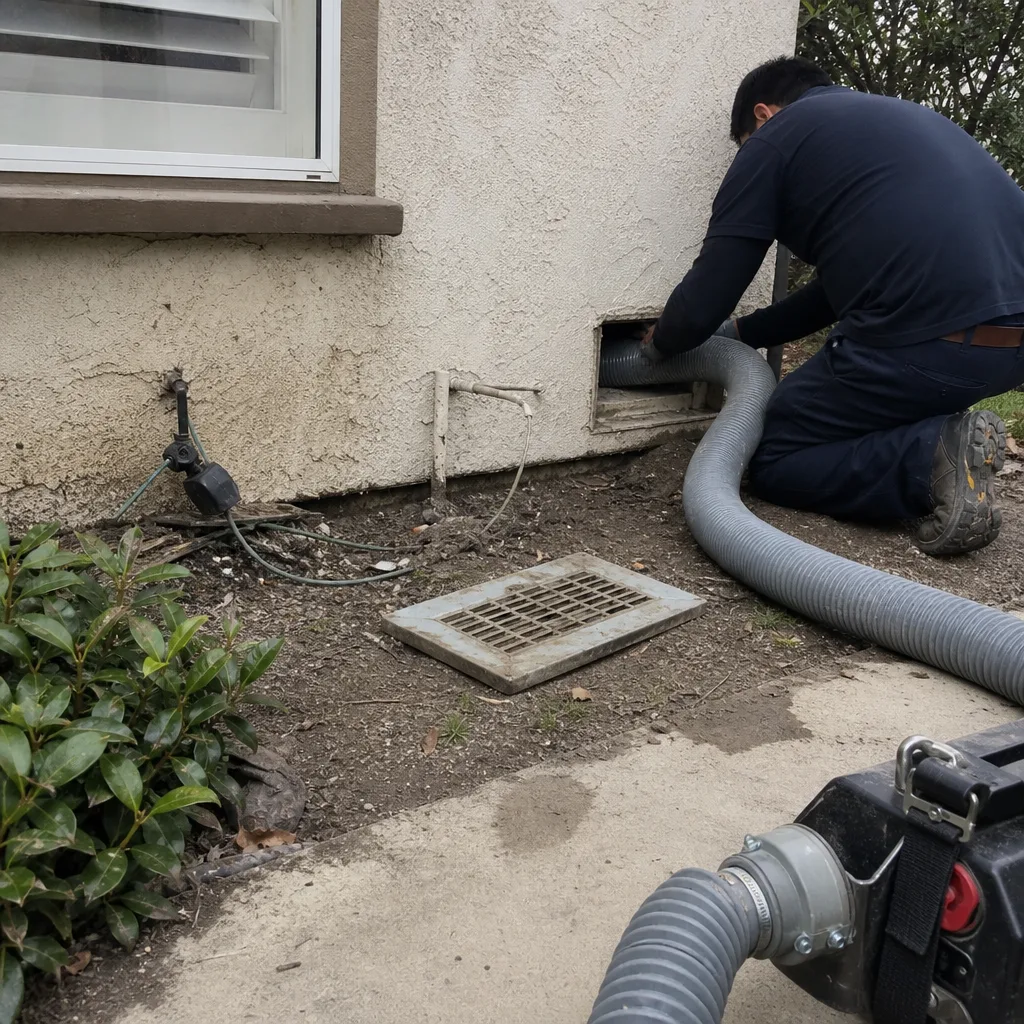 Before
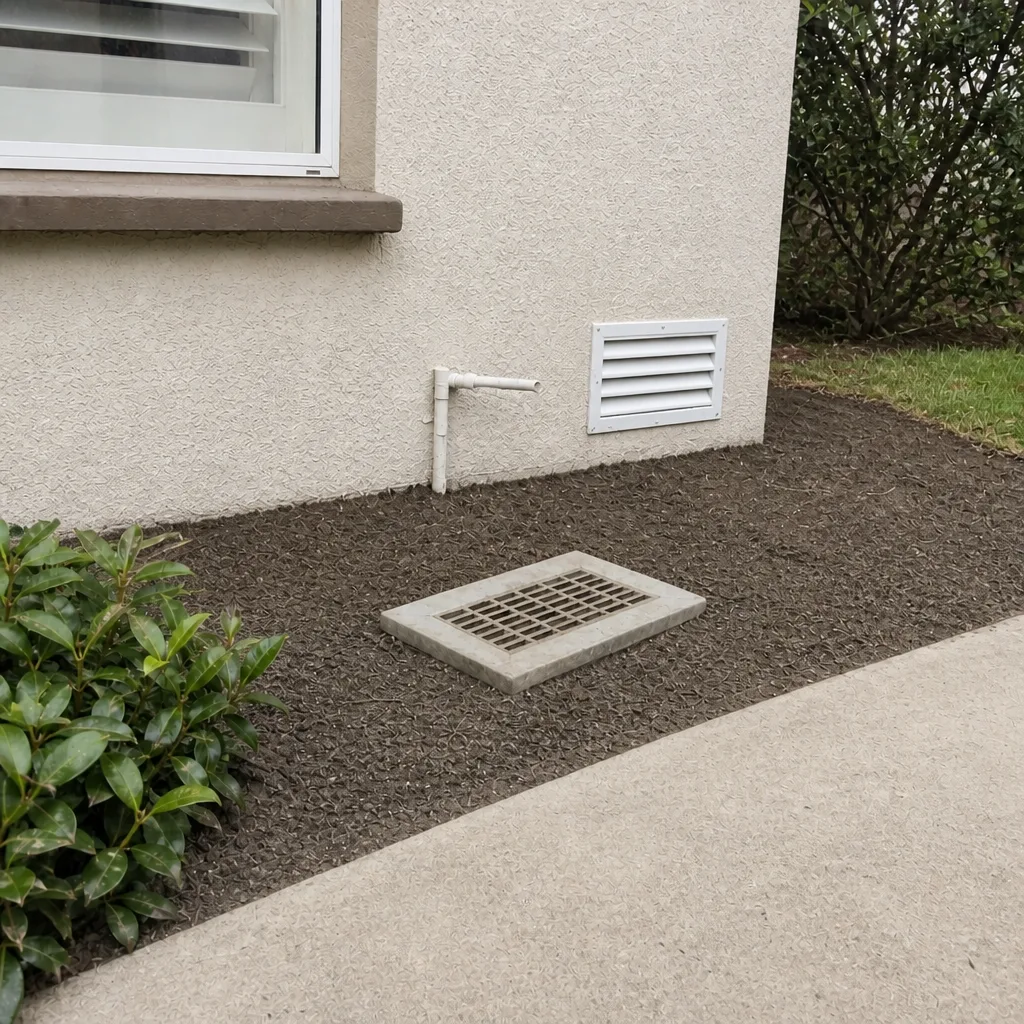 After
 Before
 After
 Before
 After