
Last updated November 4, 2026
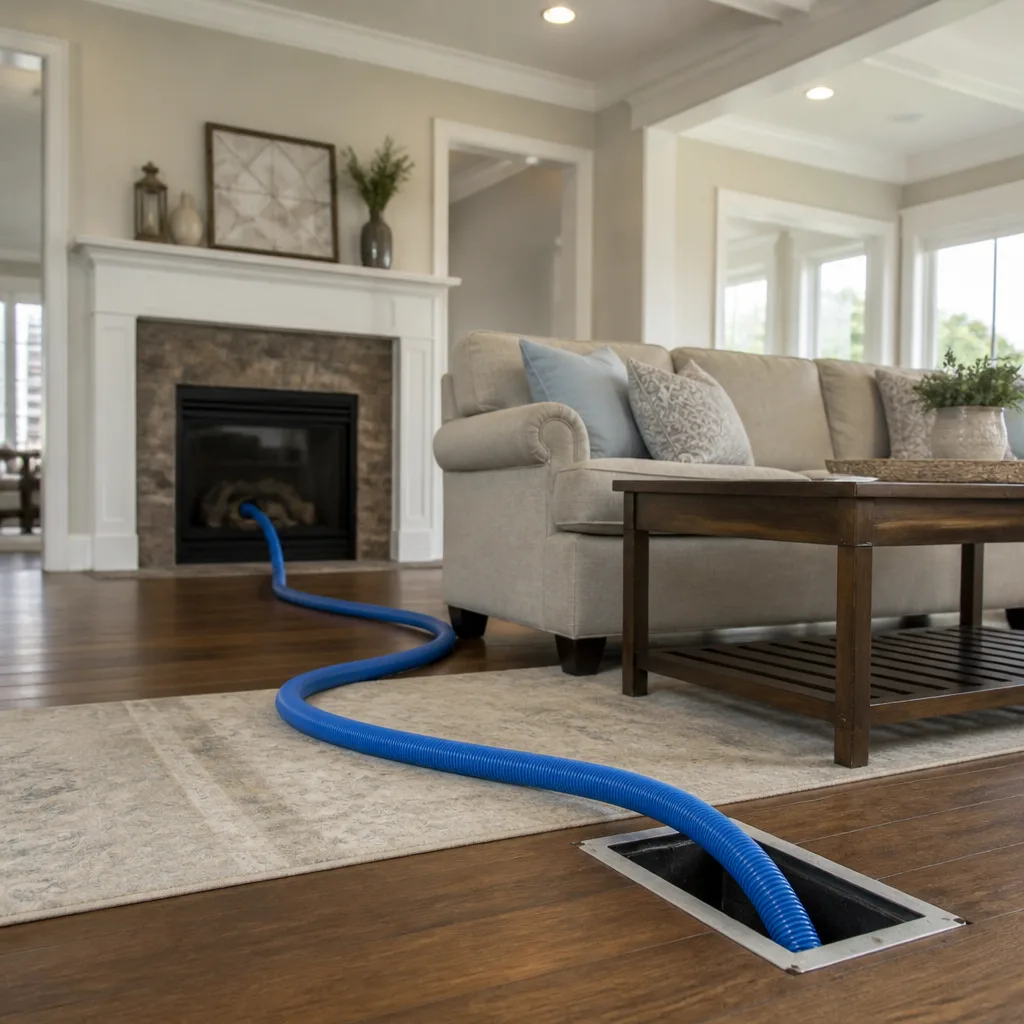 Whole-home duct cleaning
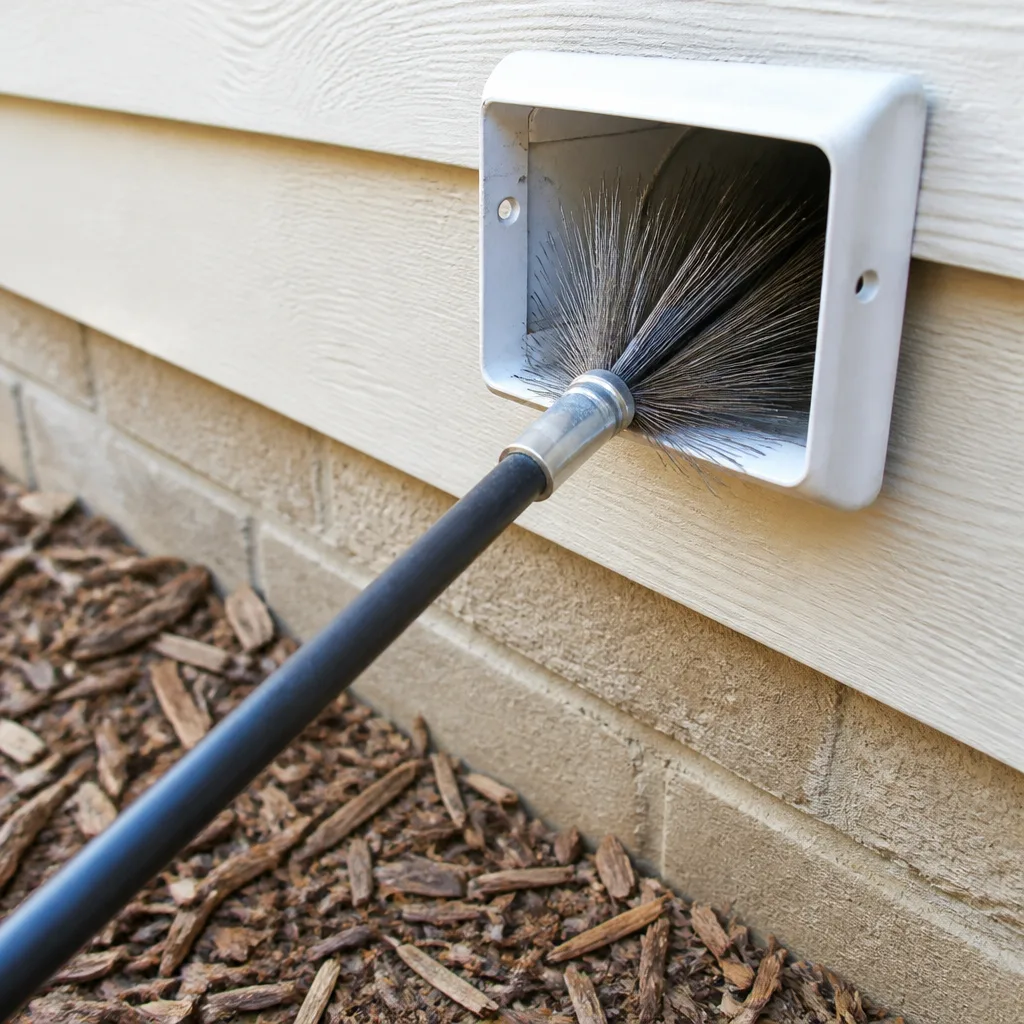 Dryer vent cleaning
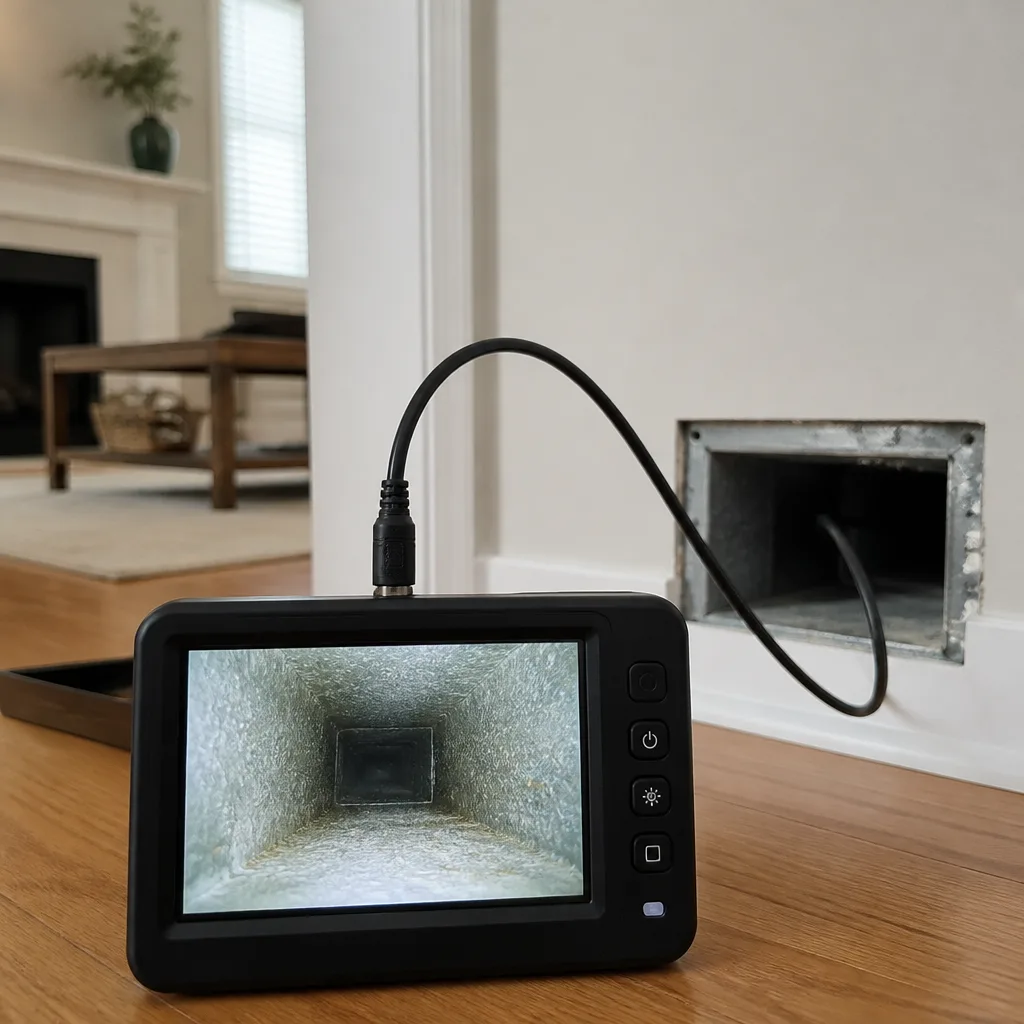 Camera inspection
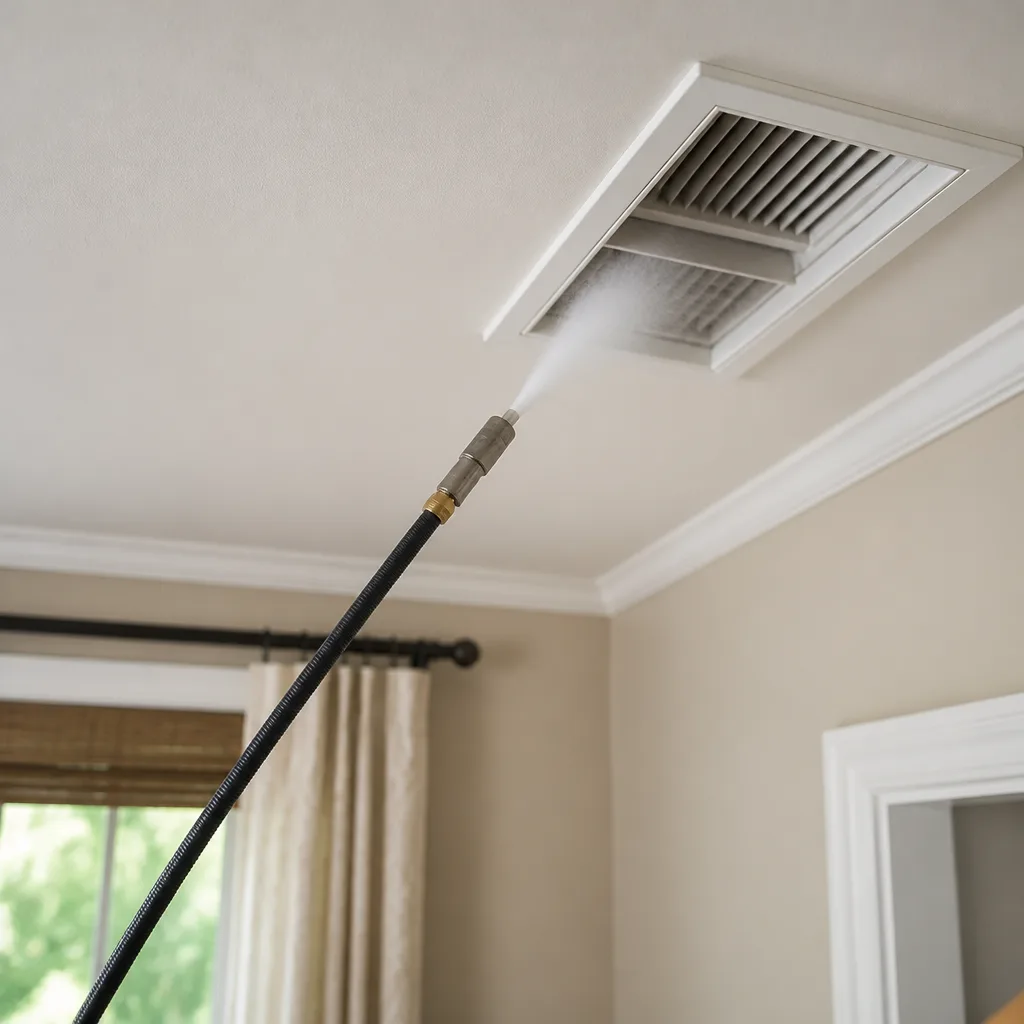 Sanitizing & deodorizing
Whole-system duct and dryer vent check with before-and-after photos - you see exactly what came out of your vents
That "$99 whole-house special" is a bait ad - the real number appears once they are in your hallway, or the "clean" is a shop-vac at the register. We photograph the inside of your ducts before and after instead.
Air Duct Cleaning Emergency Preparedness Guide for Aliso Viejo Homes
Most Aliso Viejo homeowners treat duct cleaning like a maintenance item on a spreadsheet: something to schedule when the seasons change or the allergies flare. That approach works until the air outside turns brown and the evacuation alerts start arriving on your phone. Wildfire smoke doesn’t respect the border between outdoors and indoors. It infiltrates your home through the same ducts that are supposed to protect your air quality. During the 2020 Silverado Fire, thousands of South Orange County homes that were never directly threatened still experienced significant smoke infiltration through HVAC systems left running during the event. Most homeowners made the situation worse simply because nobody had ever told them what to do in the first hour. This guide changes that. You’ll learn the correct shutdown sequence, how smoke particles interact with residential ductwork, what a post-event assessment actually involves, and how to prepare your system now so an emergency doesn’t become a months-long headache.
Styles & brands we work with
- Whole-home duct cleaning
- Dryer vent cleaning
- Camera inspection
- Sanitizing & deodorizing
Quick Answer
Emergency air duct cleaning in Aliso Viejo after a wildfire smoke event involves shutting down your HVAC system immediately, sealing return registers, and scheduling a professional assessment before running the system again. Smoke particles in the 0.1 to 1.0 micron range penetrate deep into ductwork and require professional-grade extraction equipment, not simple filter changes. Homes in Aliso Viejo’s wildfire interface zones should have a pre-season documentation plan in place, because insurance claims move faster when homeowners can show what their duct system looked like before the smoke arrived.
Table of Contents
- The Correct HVAC Protocol During an Active Air Quality Event
- Why Smoke Particles Behave Differently in Your Ducts Than Household Dust
- Post-Evacuation Duct Assessment: What a Technician Evaluates First
- Pre-Season Documentation Checklist for Wildfire Preparedness
- Water Intrusion After Post-Fire Rain Events
- What Professional-Grade Duct Cleaning Equipment Actually Does
- How Emergency Duct Cleaning Works with Insurance Claims
- Common Mistakes to Avoid
- When to Call a Professional
- Frequently Asked Questions
- The Bottom Line
The Correct HVAC Protocol During an Active Air Quality Event
When the sky over Aliso Viejo turns orange and the air quality index climbs into unhealthy territory, your first instinct might be to crank up the air conditioner and shut every window. That instinct is wrong. Running your HVAC system during a smoke event actively pulls contaminated outside air into your home through the system’s fresh air intake and any small gaps in the ductwork. The blower then distributes those smoke particles through every room connected to the duct system. What starts as a localized outdoor problem becomes a whole-house contamination event because the HVAC system did what it was designed to do: move air.
Here is the correct shutdown sequence, in order:
- Turn off the HVAC system at the thermostat. Set it to “Off,” not “Auto.” The fan must not run.
- Turn off the HVAC system at the breaker. Some systems have a secondary switch or breaker dedicated to the air handler. Cutting power ensures the system cannot cycle on automatically.
- Close and seal all return registers. Return registers are the grilles that pull air into the system. Use plastic sheeting and painter’s tape to cover them. Do not use duct tape; it leaves residue that is difficult to remove from painted surfaces.
- Leave supply registers open. Supply registers are where conditioned air enters rooms. Closing them while returns are sealed creates pressure imbalances inside the ductwork, which can pull contaminated air through any small gaps in the duct joints.
- If you have a window-mounted or portable air purifier, turn it on in the room where your family is gathered. These units are self-contained and do not draw air from outside. Run them on high while the outdoor air quality remains poor.
The reason the fan must stop matters more than most people realize. Even in “fan only” mode, the blower creates negative pressure inside the return side of the ductwork. In an Aliso Viejo home built on a crawl space or with duct runs through the attic, that negative pressure can draw smoke-saturated air through unsealed duct connections, pulling contamination directly into the airstream. We’ve seen duct systems that were never open to outside air under normal conditions become significant contamination pathways during a smoke event, simply because the homeowner thought the fan would help filter the indoor air.
This protocol applies specifically to the wildfire smoke conditions that Aliso Viejo experiences due to its position near the wildland interface. The city’s location inland from the coast, combined with the Santa Ana wind patterns that drive wildfire behavior in Orange County, means smoke events can persist for days rather than hours. The longer your system runs during those conditions, the more deeply contamination settles into the duct lining, the blower wheel, and the evaporator coil.
Why Smoke Particles Behave Differently in Your Ducts Than Household Dust
Wildfire smoke is not just dust that happens to be dark. The particle size profile of smoke is fundamentally different from the household dust that accumulates in ductwork over months or years of normal operation. Understanding this difference explains why emergency smoke remediation requires modified cleaning protocols, and why a standard residential duct cleaning appointment after a smoke event is not sufficient.
Household dust is coarse by comparison. It consists of skin cells, textile fibers, pet dander, and tracked-in soil. These particles typically range from 10 to 100 microns in size. They settle quickly in ductwork, collecting on the bottom of horizontal runs and at turns where airflow slows. A standard mechanical cleaning with rotary brush agitation dislodges this material efficiently.
Wildfire smoke particles are a different beast entirely. The most dangerous fraction of smoke, from a duct contamination standpoint, falls in the 0.1 to 1.0 micron range. These particles are so small that they behave almost like a gas rather than a solid. They remain suspended in air for extended periods, follow airflow streams through the duct system, and penetrate into every surface they contact. The electrostatic charge on these ultra-fine particles causes them to adhere to duct surfaces, blower motor components, and cooling coils in a way that coarse dust does not.
Here is what the size difference means in practical terms:
- Penetration depth: Smoke particles work their way into fibrous duct liner, porous insulation, and the leading edges of the evaporator coil. Coarse dust sits on top of these surfaces; smoke particles embed within them.
- Removal requirements: The HEPA filtration on professional extraction equipment is rated to capture particles down to 0.3 microns at 99.97% efficiency. Standard residential vacuum systems, even well-maintained ones, push these particles through their filters and back into the room air.
- Odor persistence: The volatile organic compounds that give wildfire smoke its distinctive smell attach to sub-micron particles. If the particles themselves are not removed, the odor will persist long after the outdoor air clears.
- Health impact: Particles in this size range bypass the body’s natural respiratory defenses and penetrate deep into lung tissue. This is why the American Lung Association and other health organizations treat wildfire smoke exposure as a serious health event, not a nuisance.
For Aliso Viejo homeowners, this matters because the 241 and 73 corridors sit adjacent to wildland areas. When a fire burns in the Cleveland National Forest or the foothills east of the city, the smoke that reaches residential neighborhoods is often aged smoke. Aged smoke has been in the atmosphere for hours, during which time the volatile compounds have coated the particles and changed their chemical profile. This aged smoke is precisely the type that embeds most stubbornly in HVAC systems.
The practical takeaway: after a smoke event, you are not dealing with a dust problem. You are dealing with a sub-micron particulate contamination problem that requires professional-grade extraction and filtration, not a broom, a shop vacuum, or a filter change alone.
Post-Evacuation Duct Assessment: What a Technician Evaluates First
After an evacuation order lifts and you return to your Aliso Viejo home, the natural impulse is to turn the AC back on and start airing the place out. Resist that impulse. The correct sequence is a professional duct assessment before the system runs again. Here is how a qualified technician approaches that assessment, step by step.
- Visual inspection of return registers and filter media. The technician starts at the point where air enters the system. If the return filter is heavily discolored with smoke residue, that is the first data point. A filter that looks like it was dipped in coffee tells you the system was running during the event, even if you think you shut it down early. The filter’s condition also provides a baseline for how much contamination got past it into the ductwork.
- Inspection of the evaporator coil. The coil sits downstream of the filter and is the first major surface that airflow hits. Smoke particles that made it past the filter will show up on the coil’s leading edge. Technicians look for a gray or brown film that indicates sub-micron particle deposition. This film is not always visible to the naked eye in early stages, which is why a trained eye and proper lighting matter.
- Blower wheel inspection. The blower wheel is the fan that moves air through the system. Smoke particles accumulate on the forward-curved blades, where centrifugal force deposits them. A blower wheel coated with smoke residue will not move air efficiently and will continue to release odor into the airstream even after the ducts are cleaned. Blower wheel cleaning requires access to the air handler, which is why a duct cleaning that skips this step leaves the system contaminated.
- Duct interior inspection. Using a camera system inserted into the ductwork, the technician evaluates the extent of smoke deposition on duct surfaces. The assessment focuses on horizontal runs where air velocity drops and particles settle, and on joints where leaks may have pulled contaminated air into the system from the attic or crawl space.
- Recommendation: cleaning, filter replacement, or both. Based on what the inspection reveals, the technician makes a recommendation. A light smoke event may require filter replacement and a coil cleaning but not a full duct cleaning. A heavy smoke event, where the system ran for hours or days during the event, almost always requires a full mechanical cleaning with HEPA extraction. The key distinction is whether the contamination resides only on replaceable components, like filters, or has embedded into the permanent components, like duct surfaces and the coil.
This assessment sequence matters because it prevents two common errors. The first error is applying a full duct cleaning when filter replacement alone would solve the problem, which wastes money. The second error is skimping with filter replacement when the ducts are genuinely contaminated, which leaves smoke particles and odor in the system indefinitely.
In our experience assessing homes in Aliso Viejo after smoke events, the deciding factor is usually whether the system ran during the active smoke period. A system that was shut down within the first hour of heavy smoke may only need filter replacement and a coil cleaning. A system that ran for a full day or more while the neighborhood was blanketed in smoke typically requires full duct cleaning and blower wheel service. There is middle ground, and that is what the assessment determines.
Pre-Season Documentation Checklist for Wildfire Preparedness
Wildfire season in Southern California is no longer a question of if, but when. Aliso Viejo sits close enough to wildland areas that smoke events are a recurring reality for homeowners. The smartest thing you can do before the next fire season begins is document the current condition of your duct system. This documentation serves two purposes: it speeds up insurance claims after an event, and it gives any contractor a clean baseline to work from.
Here is what to document, and how:
- Photograph your return registers and supply registers. Use a cell phone camera with the flash on. Get close enough that the frame fills with the register face. These photos establish what your registers looked like before a smoke event. After an event, comparison photos show exactly what changed.
- Photograph your filter. Install a new filter, then photograph it immediately. Write the installation date on the filter frame with a permanent marker. When you replace the filter, photograph the old one before disposing of it. A visual record of filter condition over time is powerful evidence if an insurance adjuster questions whether the system was properly maintained.
- Document your last duct cleaning service. If your ducts have been professionally cleaned, keep the invoice and any before-and-after photos the company provided. After a smoke event, these records show you maintained the system responsibly before the loss occurred.
- Note the location of your air handler and access points. Write down where the air handler is located, how to access it, and where the filter is. In a scramble to prepare for evacuation, this information saves time. If you have to direct a technician remotely, you can tell them exactly what to expect.
- Record the make and model of your HVAC system. If the system needs replacement parts after a smoke event, having this information eliminates a diagnostic step.
- Keep a log of air quality events. When smoke is visible or the AQI reaches unhealthy levels, write down the date and duration. If you evacuated, note when you left and when you returned. This timeline is essential for insurance claims, because it establishes the exposure window.
- Store this documentation offsite. Cloud storage is ideal. If a fire damages your home, the documentation on your laptop is useless if the laptop is destroyed. Google Drive, iCloud, or Dropbox all work. Share access with a family member outside the area.
This documentation process takes less than an hour if you do it once, and it pays dividends for years. We recommend Aliso Viejo homeowners complete it before the next Santa Ana wind season, because once a fire is burning nearby, you will have more pressing concerns than photographing your air registers.
Water Intrusion After Post-Fire Rain Events
Wildfire smoke is not the only threat to your duct system during fire season. The aftermath of a fire often includes heavy rain events, and Southern California’s rain patterns can deliver significant precipitation in short bursts. When rain falls on hillsides stripped of vegetation by fire, the risk of flooding and debris flow increases. For Aliso Viejo homeowners, this translates into roof damage, water intrusion, and moisture problems in ductwork.
Water in a duct system is a fundamentally different problem than smoke in a duct system. Here is why:
- Moisture creates a biological growth environment. Duct systems are dark, with limited airflow when the system is off. Add moisture, and you have conditions that support mold growth on duct surfaces, insulation, and accumulated debris. What begins as a water problem becomes a remediation problem, which is a different scope of work than cleaning.
- Water damages duct insulation. Flexible duct runs with external or internal fiberglass insulation absorb water. Once saturated, the insulation loses its thermal resistance and its structural integrity. Wet insulation rarely dries properly inside a duct system and typically requires replacement.
- Water degrades duct joints and tape. Duct connections sealed with standard foil tape can fail when exposed to sustained moisture. Once joints open, the system leaks conditioned air into the attic or crawl space, which is a whole separate efficiency problem.
- Moisture redistributes contaminants. Smoke particles that settled on duct surfaces become mobile again when water enters the system. The water loosens the particles and carries them deeper into the ductwork, making subsequent cleaning more difficult.
- Homeowner files a claim describing smoke infiltration and duct contamination.
- Adjuster schedules a visit to assess the damage. The homeowner provides the technician’s inspection report and any documentation gathered during pre-season preparation.
- Adjuster reviews the claim. If the evidence supports it, the duct cleaning is approved. The cost is covered either as part of the overall smoke damage claim or as a line item within it.
- Cleaning is performed. The contractor invoices the homeowner or the insurance company, depending on how the claim is structured.
- Running the HVAC system during a smoke event to “filter the air.” Your home’s HVAC system is not designed to be an air purifier during a wildfire. Running it pulls contamination from outside and distributes it through the ductwork. Shut it off immediately when smoke reaches your neighborhood.
- Replacing the filter and assuming the ducts are clean. A filter captures what passes through it, but it does not capture everything. Particles that made it past the filter have already entered the duct system. A new filter prevents future contamination but does nothing for what is already inside.
- Waiting weeks after a smoke event to schedule an assessment. Smoke particles parked in your ductwork continue to release odor and contaminate the air you breathe for as long as you run the system. The assessment should happen as soon as you return home.
- Using a shop vacuum to clean the supply registers. Pushing a vacuum hose into a register only loosens debris and sends it deeper into the system. It does not clean anything. Professional equipment creates negative airflow that pulls debris toward the filter, not away from it.
- Ignoring the blower wheel and evaporator coil. The ductwork is not the only part of the system that gets contaminated. The blower wheel and coil sit directly in the airstream and collect smoke particles. A duct cleaning that skips these components leaves a contamination source in place.
- Assuming weak smoke exposure means no contamination. Even if the smoke outside looked mild, the particles are still there. Sub-micron particles are invisible at low concentrations, but they accumulate in the duct system over the course of an event that lasts hours or days.
- Signing with a contractor who quotes a price without inspecting the system. A proper assessment requires looking inside the ductwork, at the coil, and at the blower wheel. Any quote given before an inspection is a guess, not an estimate. A legitimate contractor will want to see the system before pricing the work.
The escalation sequence is predictable. A homeowner who experiences roof damage during a post-fire rain event often focuses on the visible water damage: ceilings, walls, and flooring. The duct system, hidden from view, gets overlooked. Months later, when musty odors persist or family members report respiratory irritation, the duct system is finally inspected, and the contamination is extensive by then.
The practical response: if water has entered your home through the roof or walls during a post-fire rain event, have the duct system inspected even if the damage appears minor. Water follows gravity and finds its way into surprising places. A small roof leak above a bedroom can send water into the duct boots, the register connections, and the horizontal runs below. We’ve assessed Aliso Viejo homes where a minor roof leak created a significant duct contamination problem simply because the water had weeks to sit in the system before anyone thought to look.
Air ducts that have been exposed to water require more than air duct cleaning. The affected sections often need repair or replacement, and the entire system needs drying and sanitizing before it is safe to run. This is where the repair capability matters, because the problem extends beyond what cleaning alone can solve.
What Professional-Grade Duct Cleaning Equipment Actually Does
The difference between a professional duct cleaning and an improvised attempt is the equipment. Aliso Viejo homeowners who understand what professional-grade tools do are better equipped to evaluate whether a contractor is legitimate. The brands matter because they represent distinct functions in the cleaning process.
A Rotobrush rotary brush system is purpose-built for mechanical agitation of duct surfaces. The rotating brush head travels through the ductwork, dislodging debris that has adhered to the duct walls. The brush reaches corners and seams where a standard vacuum attachment cannot. The agitation action is critical for smoke contamination, because smoke particles bond tightly to surfaces and require mechanical force to release. Think of it as the difference between wiping a counter with a dry cloth and scrubbing it with a brush. The brush breaks the bond.
The extraction side of the process uses Nikro HEPA-rated negative air equipment. This is not a shop vacuum. A shop vacuum with a HEPA filter is still not a negative air machine. Negative air equipment pulls air through the duct system at a controlled rate, creating airflow that carries dislodged debris toward a HEPA filter. The filter captures particles down to 0.3 microns at 99.97% efficiency. Smoke particles, which are in the 0.1 to 1.0 micron range, are captured at a high rate by this filtration. The key is that the equipment creates airflow in the right direction, so loosened debris moves toward the filter rather than drifting into the room.
Abatement Technologies containment equipment serves a separate but equally important function. During a cleaning, the agitation process dislodges contaminants. Without proper containment, those contaminants can redistribute through the home. The containment equipment establishes a controlled environment where loose particles are channeled toward the filtration system. The phrase “contaminants captured, not redistributed” is the technical ideal. Professional containment is what makes that ideal achievable.
After the cleaning is complete, the finishing layer matters. Guardsman protective treatments can be applied to duct surfaces as a finishing step. This treatment helps maintain cleaner surfaces by reducing particle adhesion, making future cleanings more effective. It is not a substitute for cleaning, but it extends the benefit of the work.
Beyond the ductwork itself, Duct Cleaning Aliso Viejo carries Honeywell and Aprilaire IAQ products for homeowners who want to improve filtration beyond the standard 1-inch filter. These products include media air cleaners, whole-home filtration systems, and humidity control solutions. The relevance to emergency preparedness is direct: a home with better filtration captures more of what enters the system during a smoke event, reducing the contamination load on the ductwork itself.
The bottom line on equipment: professional-grade duct cleaning requires a rotary agitation platform, HEPA-rated extraction, and proper containment. If a contractor arrives with a shop vacuum and a drill-powered brush, that is not the same service, regardless of the price. The Rotobrush and Nikro systems used by professional Aliso Viejo operations are built for this work, and they deliver results that consumer-grade tools cannot match.
How Emergency Duct Cleaning Works with Insurance Claims
Wildfire smoke damage is a covered peril under most homeowners insurance policies in California, but the claims process is not always straightforward. Duct cleaning is often the last component of a smoke damage claim to be approved, because adjusters prioritize visible damage and structural repairs. Understanding how the process works can help Aliso Viejo homeowners navigate it more effectively.
The first point: document everything before you file a claim. The pre-season documentation checklist discussed earlier becomes invaluable here. If you can show your ducts were clean and well-maintained before the smoke event, the adjuster has a baseline. Without that baseline, the adjuster may argue the contamination predated the fire. This is the most common reason duct cleaning claims get denied or reduced.
The second point: your claim will be stronger if you have photographic evidence of the smoke event’s severity. Photos of your neighborhood during the event, air quality index screenshots, and evacuation orders all establish that your home was in the exposure zone. Keep these records.
The third point: get a professional assessment before the adjuster visits. An adjuster who sees a technician’s report describing smoke contamination in the ducts is more likely to approve the cleaning than an adjuster who looks at the register and sees nothing visibly wrong. The contamination is inside the ductwork, and the adjuster will not be looking there without a reason.
Here is a typical sequence for a duct cleaning claim after a smoke event:
A note on timing: insurance approval for duct cleaning is not immediate. If you are certain your ducts need cleaning and you cannot wait for the claim to process, you have the option to pay for the service and seek reimbursement. This is a decision each homeowner must make based on their financial situation and the severity of the contamination. We recommend discussing the timeline with your adjuster before making that decision.
Common Mistakes to Avoid
After years of working in Aliso Viejo homes, we have seen a pattern of mistakes that homeowners make during and after smoke events. Here are the most common, and how to avoid each one.
When to Call a Professional
Some situations are manageable with filter replacement and patience. Others require professional intervention. Here is how to tell the difference.
Call a professional if you ran your HVAC system during a smoke event for more than a few hours. Call if you evacuated and returned to a house that smells like smoke even after the outdoor air has cleared. Call if water entered your home through the roof or walls during a post-fire rain event. Call if you see visible soot around your supply registers. Call if someone in your home has asthma, allergies, or a respiratory condition and you want certainty that the air is clean.
Duct Cleaning Aliso Viejo offers free estimates in Aliso Viejo. Call (833) 693-2761. We answer 24/7. Fast dispatch from 7am to 7pm, Sunday through Friday.
The estimate includes a full assessment of your duct system, the coil, and the blower wheel. You’ll get a written quote before any work begins, so you know exactly what you are paying for. If your ducts are fine and only the filter needs replacing, we will tell you that instead of selling you a service you do not need.
Frequently Asked Questions
Schedule an assessment as soon as you return home after an evacuation or after the outdoor air quality improves. Smoke particles embedded in duct surfaces continue to affect indoor air quality for as long as the system runs, so the assessment should happen before you resume normal HVAC operation. Call (833) 693-2761 to schedule your free estimate.
Most California homeowners policies cover smoke damage as a named peril, but duct cleaning claims are approved case by case. The strength of your claim depends on documentation showing your ducts were clean before the event and that the system was exposed to smoke during the event. The pre-season documentation checklist in this guide exists to give you that documentation. Your adjuster is the final authority on what your policy covers.
No. Smoke particles in the 0.1 to 1.0 micron range require HEPA-rated extraction equipment and mechanical agitation to remove. Consumer-grade vacuums do not have the filtration or airflow capacity for this work, and attempting it can make the contamination worse by loosening particles without capturing them. Professional equipment like the Rotobrush rotary brush system and Nikro HEPA negative air units are built for this exact scenario.
Ask for before-and-after photos of your duct surfaces. A professional contractor using proper inspection equipment can show you the condition of your ducts before the cleaning and after. If a contractor cannot or will not provide this documentation, that is a red flag. The work happens inside your ductwork, where you cannot see it, so verification through photos is not optional.
Smoke can infiltrate your dryer vent just like your air ducts, and dryer vent cleaning addresses that pathway separately. The dryer vent is a dedicated exhaust system that pulls air from inside your home and pushes it outside. During a smoke event, that airflow can draw contaminated air through the vent, and smoke particles can settle in the vent pipe. If you ran your dryer during a smoke event, have the vent inspected along with your duct system.
Turn the system off at the thermostat and at the breaker before you leave. Seal the return registers with plastic sheeting and painter’s tape. Leave supply registers open. Do not run the system in “fan only” mode as a way to maintain airflow. The goal is to make the system inert, so it is not pulling contaminated air into the house while you are gone.
Most residential duct cleanings take between three and six hours, depending on the size of the home and the extent of contamination. A smoke event adds time because the cleaning protocol is more thorough and includes the coil and blower wheel. The assessment is free, and the written estimate will tell you what to expect for your specific home. Call (833) 693-2761. We answer 24/7.
The Bottom Line
Wildfire smoke is a recurring reality for Aliso Viejo homeowners, and your duct system is the primary pathway through which outdoor smoke becomes indoor air contamination. The correct response during an active smoke event is to shut the system down completely and seal the return registers. After the event, a professional assessment determines whether filter replacement alone will solve the problem or whether full duct cleaning is required. Proper preparation, including documentation and pre-season inspection, accelerates insurance claims and reduces the total cost of recovery. The work requires professional-grade equipment, and the contractors who bring that equipment are the ones worth calling. Duct Cleaning Aliso Viejo offers free estimates in Aliso Viejo. Call (833) 693-2761. We answer 24/7. Fast dispatch from 7am to 7pm, Sunday through Friday.
Written by the team at Duct Cleaning Aliso Viejo, serving Aliso Viejo since 2016.
See the difference
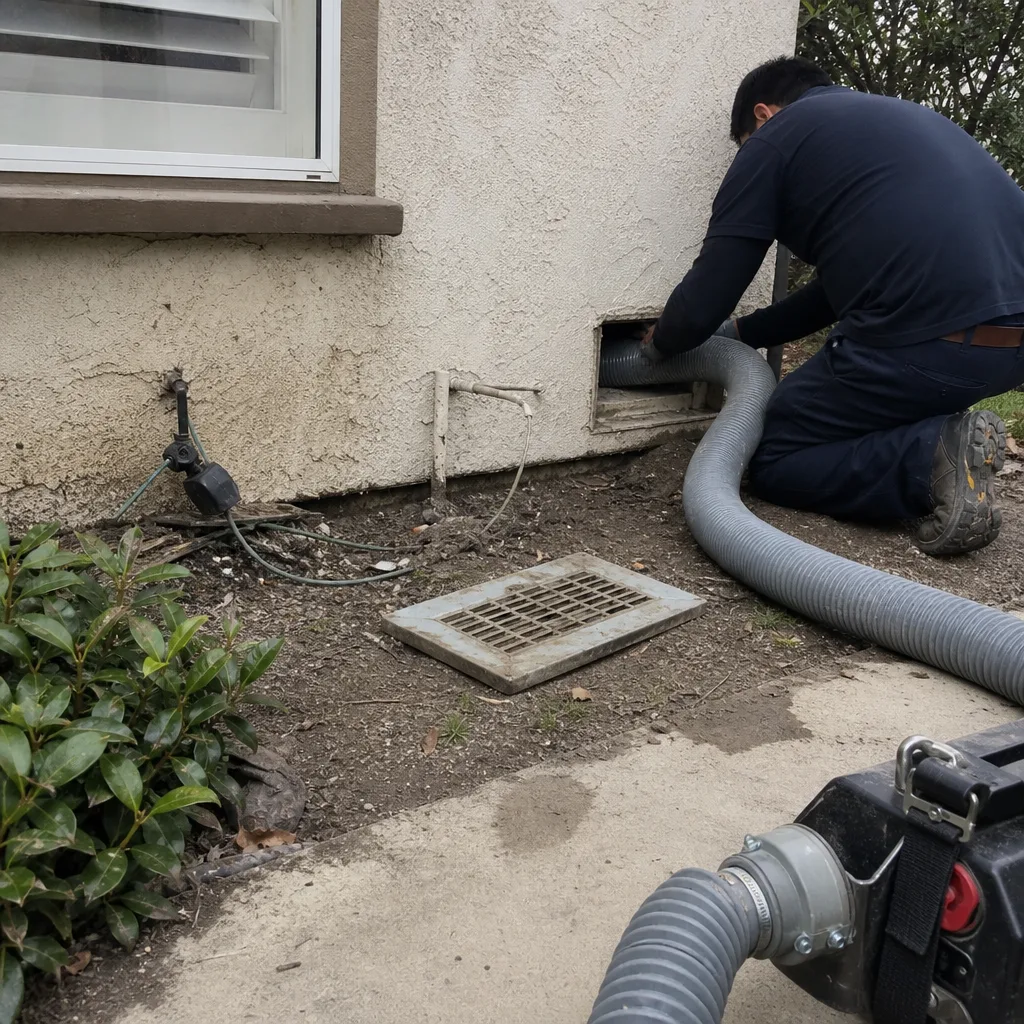 Before
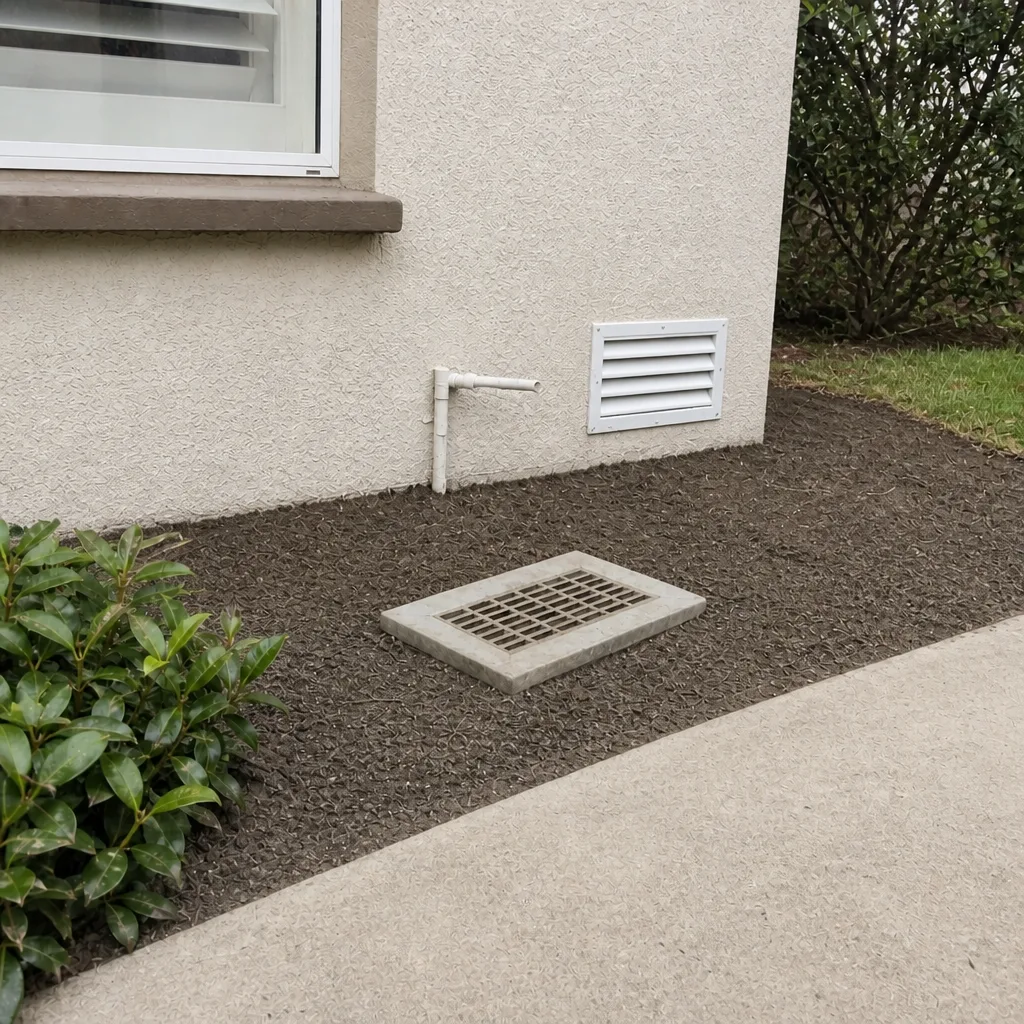 After
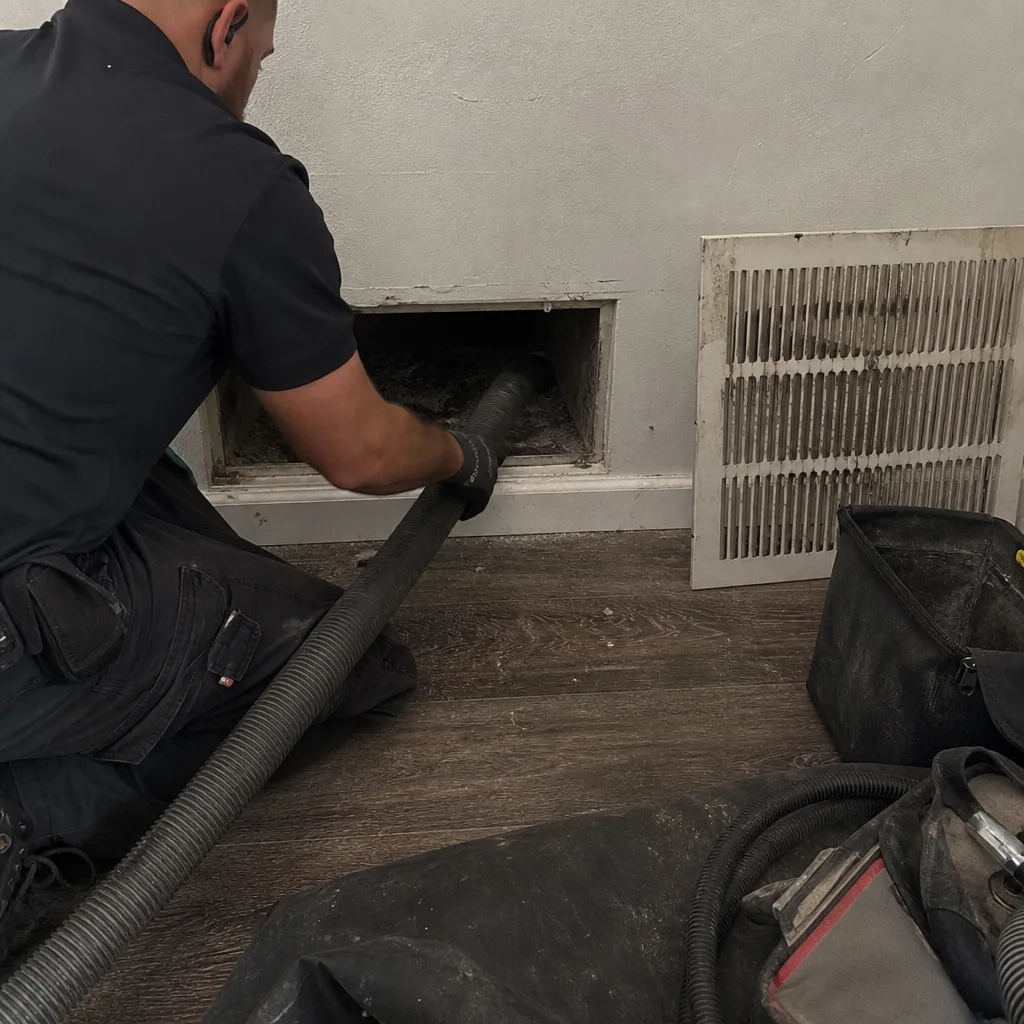 Before
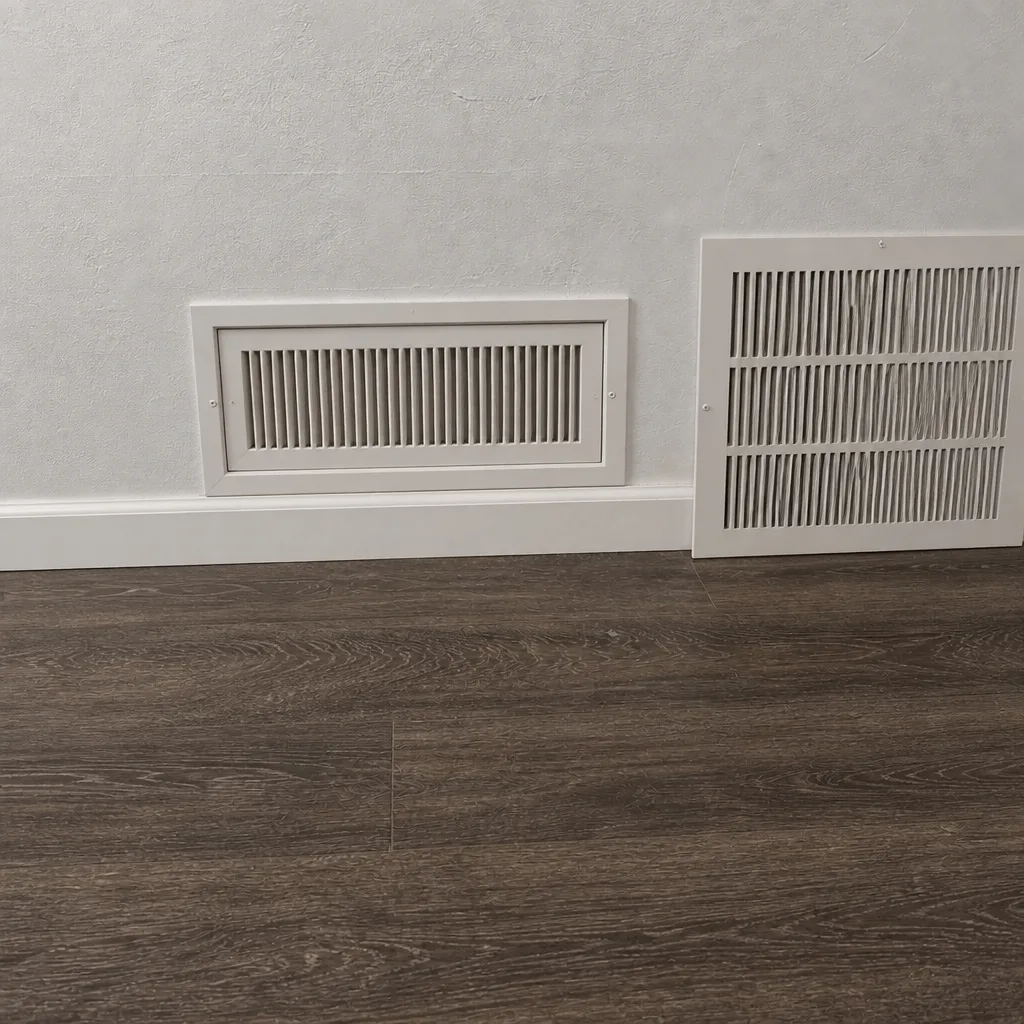 After
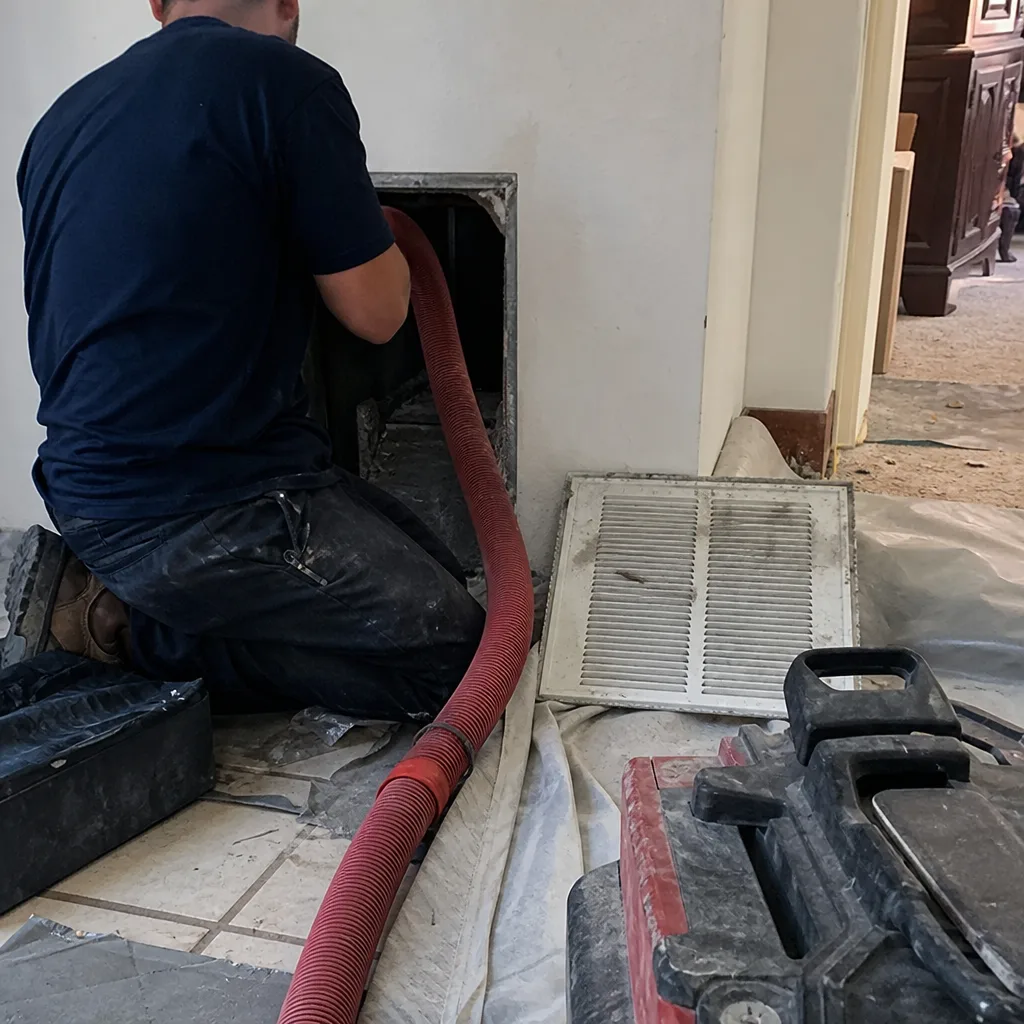 Before
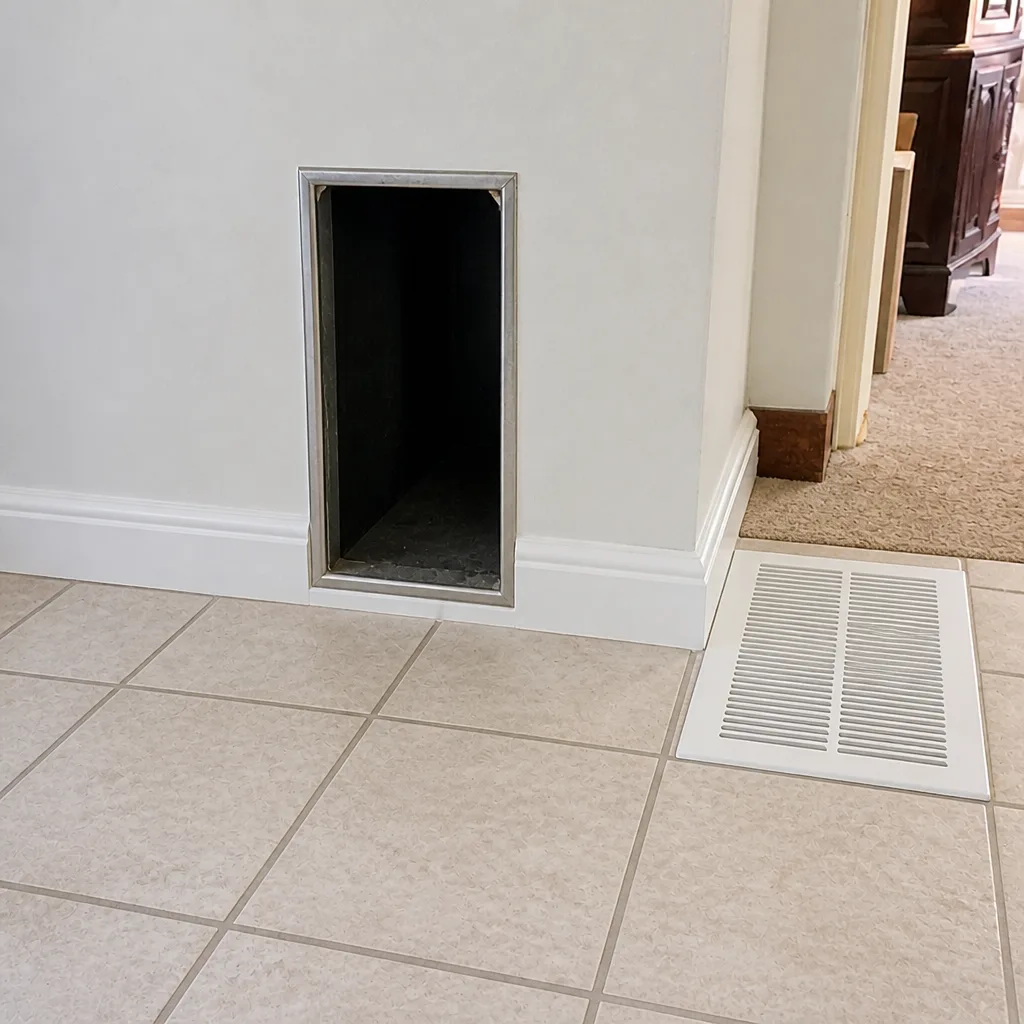 After