
Last updated November 4, 2026
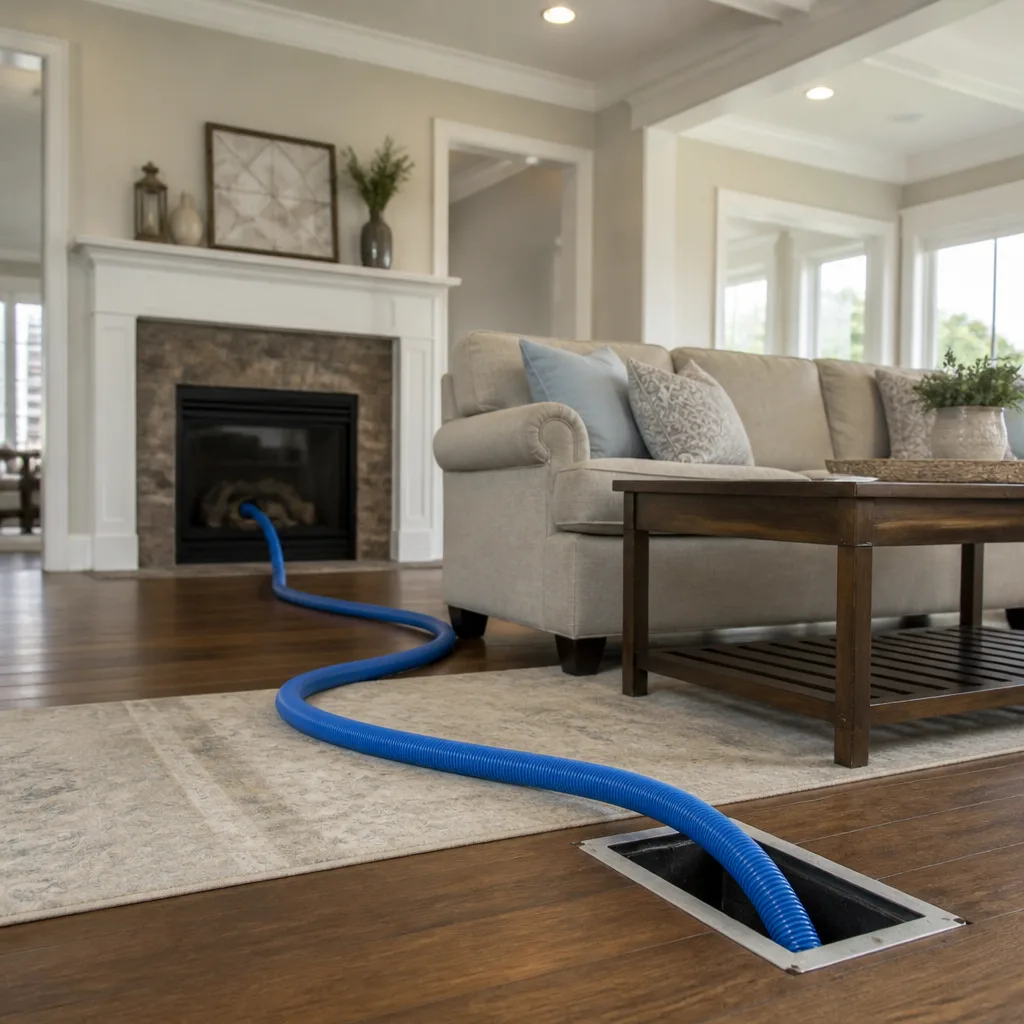 Whole-home duct cleaning
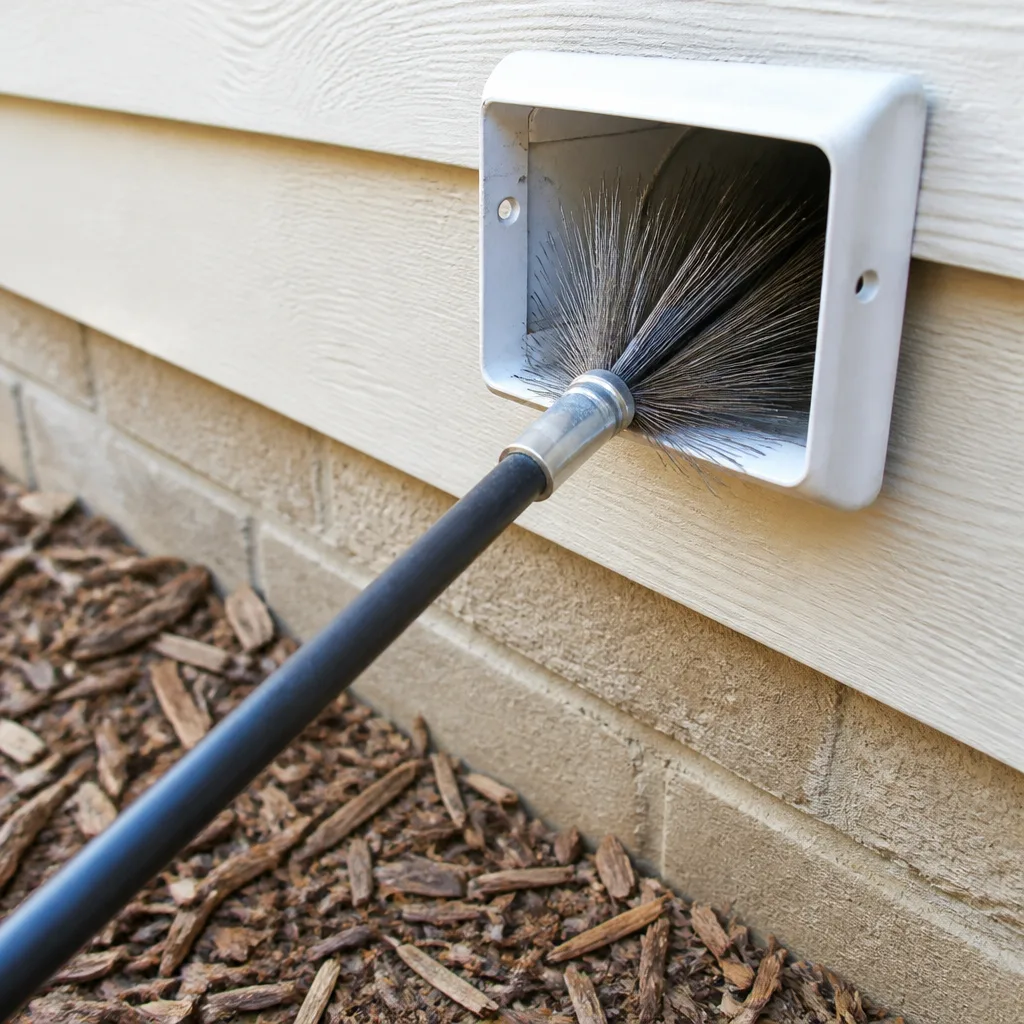 Dryer vent cleaning
 Camera inspection
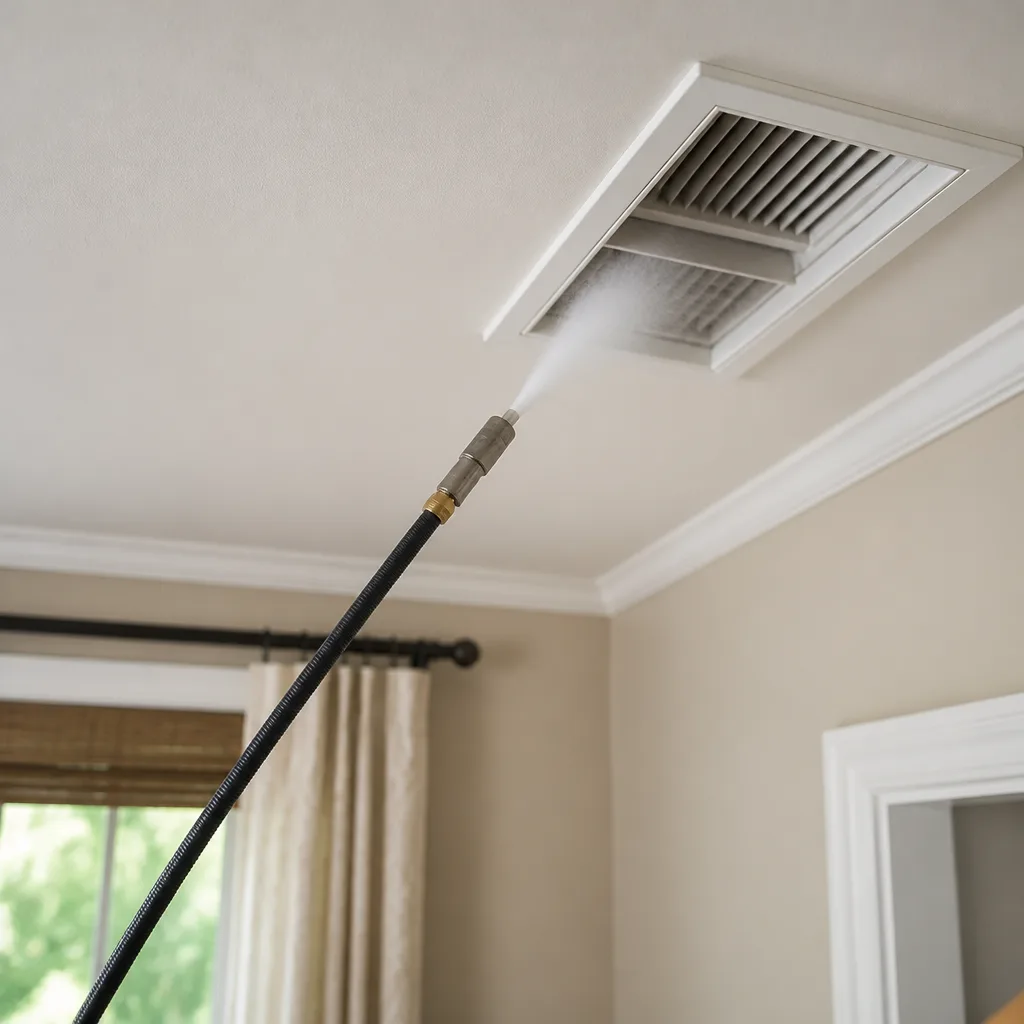 Sanitizing & deodorizing
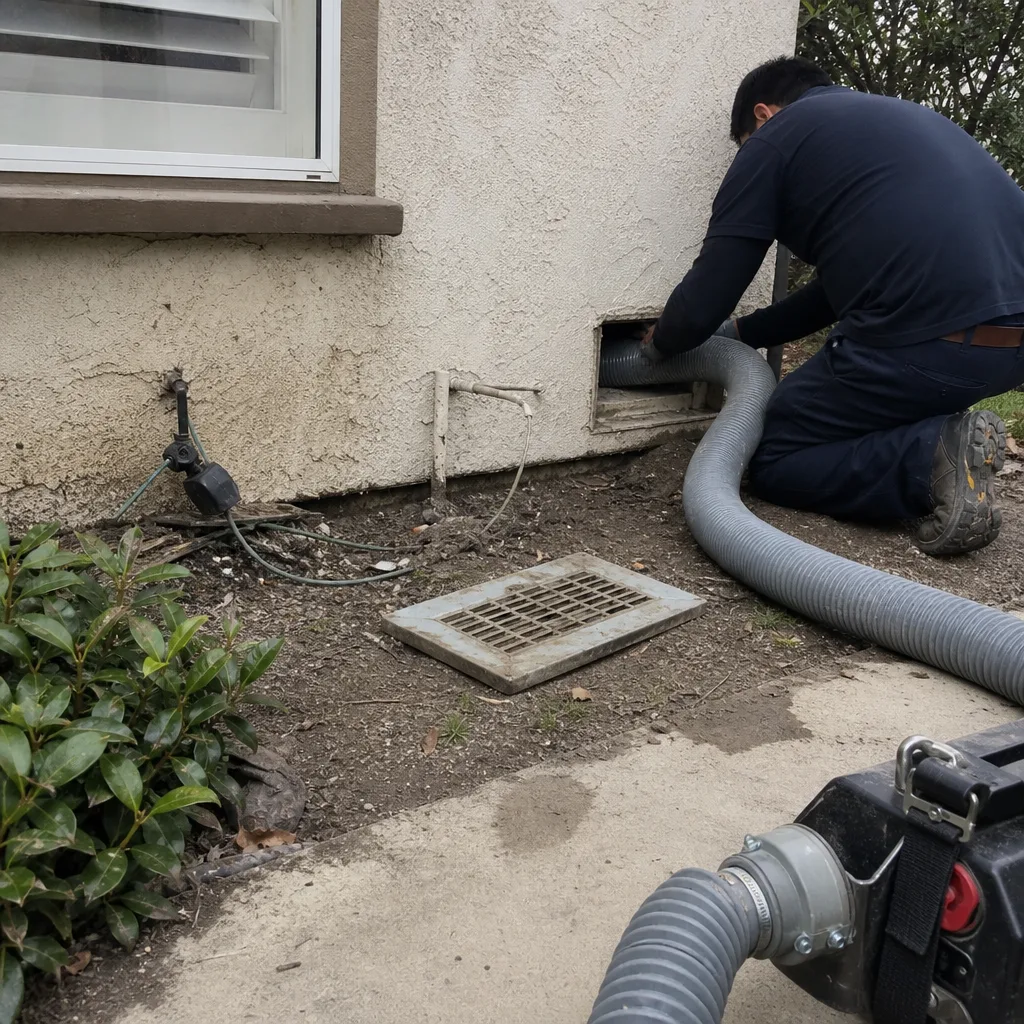
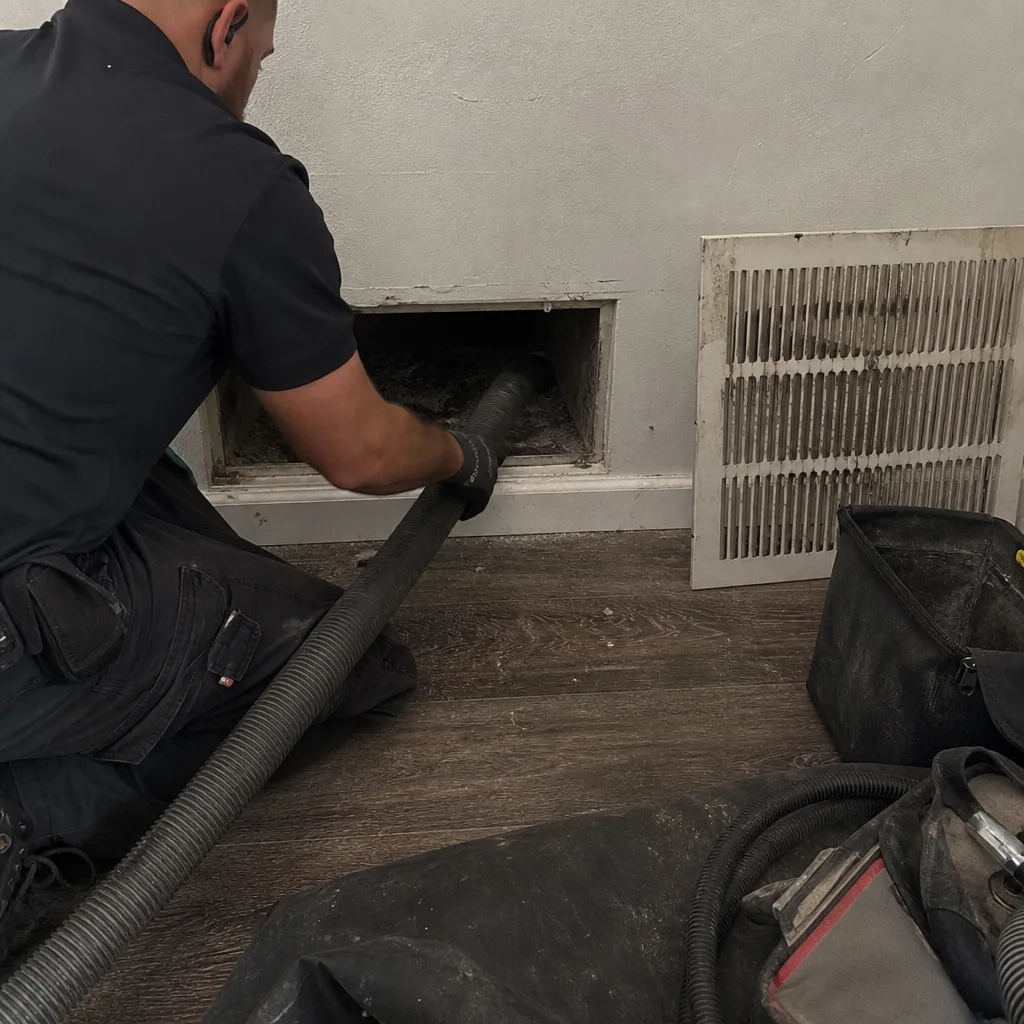
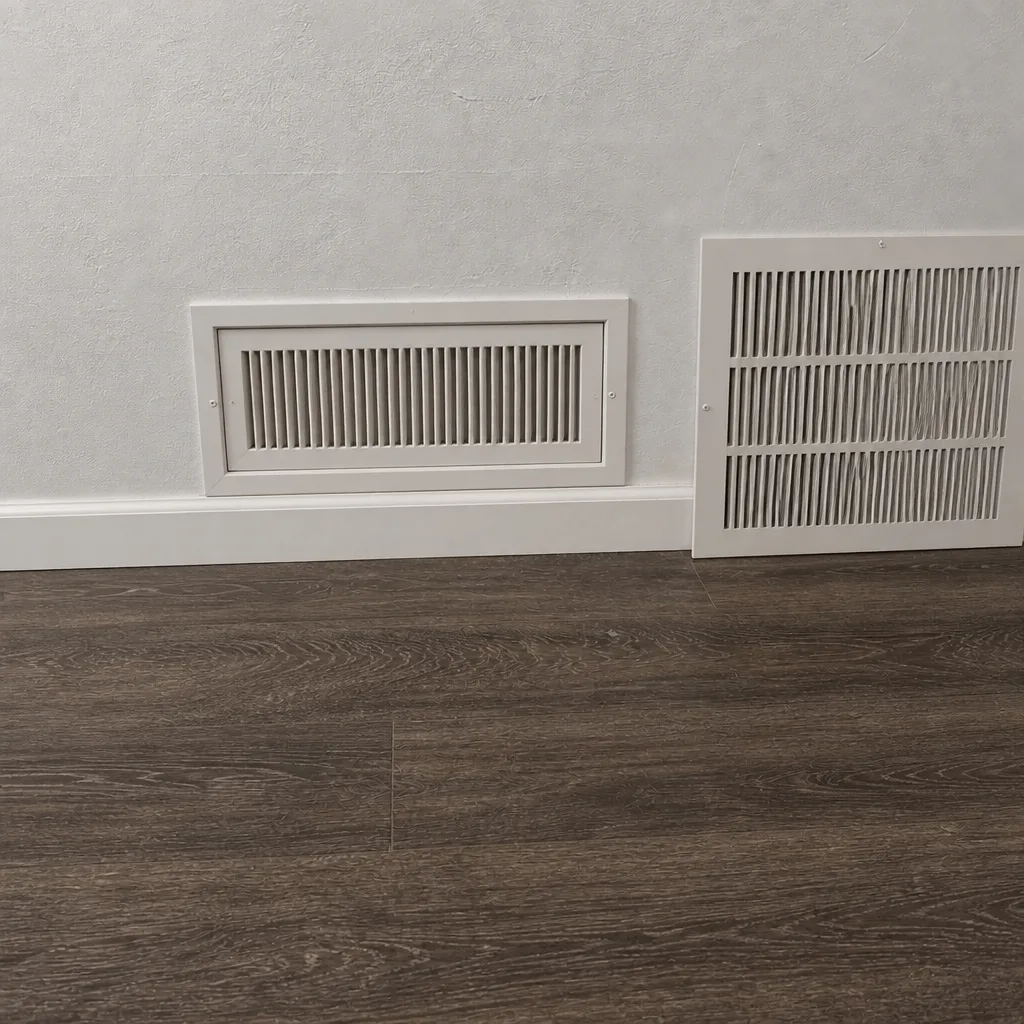
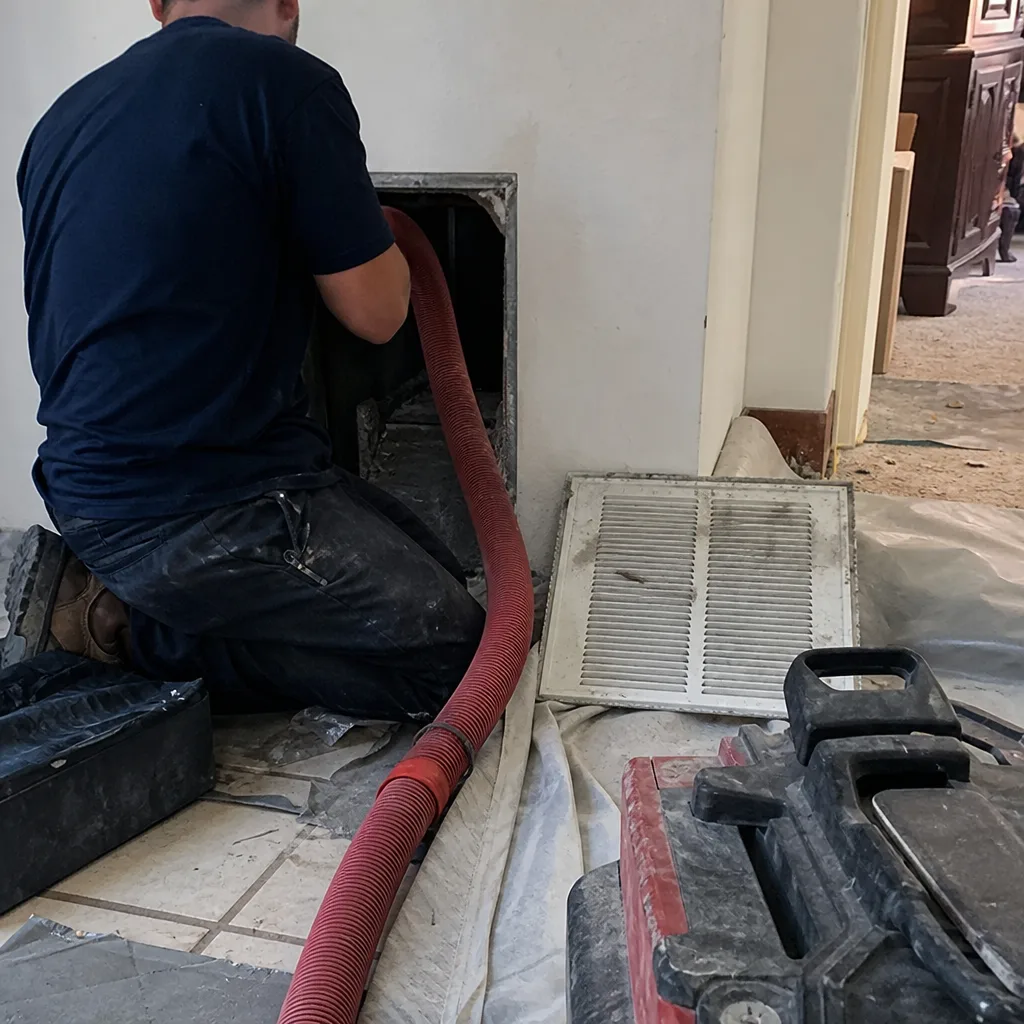
Whole-system duct and dryer vent check with before-and-after photos - you see exactly what came out of your vents
That "$99 whole-house special" is a bait ad - the real number appears once they are in your hallway, or the "clean" is a shop-vac at the register. We photograph the inside of your ducts before and after instead.
Air Duct Cleaning Maintenance Checklist for Aliso Viejo Homeowners
If you’re replacing your air filter on schedule but still see dust collecting on supply registers within two weeks, the problem isn’t the filter. It’s an upstream duct failure that no cleaning interval will fix until someone finds it. Most maintenance checklists treat duct cleaning as a timed chore, like changing smoke detector batteries. That approach misses what actually degrades air quality in Aliso Viejo homes: filter bypass gaps, disconnected flex duct joints, and return-side leaks that pull attic air into the conditioned space. This guide translates what a technician checks during a professional assessment into tasks you can perform yourself, organized by frequency and tool requirements.
Quick Answer
An effective air duct maintenance checklist for Aliso Viejo homeowners has four layers: monthly register and filter inspections you can do without tools, quarterly filter cabinet seal checks, seasonal attic duct inspections timed to Aliso Viejo’s temperature swings, and an annual professional assessment using manometer and camera scope equipment. The goal is to catch filter bypass, disconnected joints, and pest entry before they force cleaning far sooner than necessary.
Styles & brands we work with
- Whole-home duct cleaning
- Dryer vent cleaning
- Camera inspection
- Sanitizing & deodorizing
Table of Contents
- Monthly Register Checks: What Discoloration Patterns Actually Mean
- The Filter Slot and Cabinet Seal: Where Bypass Happens
- Attic Duct Inspection Points for Aliso Viejo’s Temperature Swings
- Return-Side Leaks: The Contaminant Pathway Nobody Looks At
- What a Homeowner Can Assess vs. What Needs a Pro Tool
- How to Log Findings So a Technician Gets Actionable Data
- Seasonal Maintenance Calendar for Aliso Viejo
Monthly Register Checks: What Discoloration Patterns Actually Mean
Supply registers in Aliso Viejo homes accumulate visible buildup faster than most homeowners expect. The pattern of that buildup tells you more than the amount. Uniform light gray dust across the register face is normal in any occupied home and reflects ordinary skin cells, fabric fibers, and tracked-in soil. What warrants attention is streaking that starts at the register edges and extends onto the surrounding ceiling or wall. That pattern indicates conditioned air escaping around the register boot rather than through it, which pulls attic dust into the airflow stream as it passes.
Run this check monthly. Remove the register cover, wipe it with a damp cloth, and look inside the opening while it’s off. You’re checking for three things:
- Dark staining on the inside of the boot. This often means the boot-to-drywall seal has failed and attic air is entering the conditioned space around the duct connection.
- Debris larger than dust. Bits of insulation, drywall dust, or pest droppings inside the boot are not normal filter-passing particles. They indicate an upstream breach.
- Dampness or moisture marks. Aliso Viejo’s summer attic temperatures can exceed 140°F. When cool conditioned air meets that environment through a thin duct wall, condensation can form inside the duct. Persistent moisture marks on a register suggest inadequate duct insulation.
You don’t need tools for any of this. A flashlight and a damp rag are enough. Log what you see, even if it’s normal. Three months of “normal” readings establish a baseline, and that baseline is what makes an anomaly stand out later.
The Filter Slot and Cabinet Seal: Where Bypass Happens
The single most common duct system failure in Aliso Viejo homes is not a dirty coil or a clogged filter. It’s bypass: unfiltered air flowing around the filter rather than through it. This happens when the filter doesn’t seat tightly in its slot, when the filter cabinet door doesn’t close flush, or when the filter rack itself has gaps where it meets the return plenum.
A filter bypass of even a quarter inch lets a meaningful volume of air skip filtration entirely. That air carries whatever is in the return duct: dust, pet dander, and in Aliso Viejo, fine particulate from the 73 freeway corridor and seasonal Santa Ana wind events. The result is dust reloading on supply registers within days of a filter change, regardless of filter quality.
Check your filter slot quarterly. Remove the filter and look at the slot dimensions. A filter that slides in with visible gaps on any side is not sealing. The same applies to filters that require forcing or bending to fit. Check the cabinet door gasket, if one exists. Compressed or torn gasket material cannot seal against bypass. Run your hand along the seam where the filter rack meets the plenum while the system fan runs. You’re feeling for air movement. Air escaping through a seam is air that never touched the filter.
If you find bypass, the fix is usually a filter rack replacement or gasket repair, not a cleaning. This is exactly the kind of upstream failure that a checklist should catch before it becomes a recurring dust complaint. We install Honeywell media cabinets and Aprilaire filtration housings when a homeowner wants a platform that mechanically seats the filter the same way every time, eliminating the fit variability of stock racks.
Attic Duct Inspection Points for Aliso Viejo’s Temperature Swings
Aliso Viejo attics are harsh environments for flex duct. Summer days push attic temperatures past 130°F, and the swing between scorching daytime heat and cooler nighttime air creates repeated thermal expansion and contraction. Over years, the plastic outer jacket and inner liner of flex duct become brittle. The duct sags between support straps. Connections at plenums and boot collars loosen. Any of these conditions degrades system performance and introduces contaminant pathways.
If you have attic access, inspect your ducts twice a year, once in spring and once in late summer. Bring a flashlight and a camera or phone. You’re looking for:
- Sagging duct runs. Flex duct should be supported every 4 to 5 feet with wide straps. Runs that dip deeply between supports collect condensation and restrict airflow.
- Disconnected or loose boots. Where duct connects to a supply boot, the inner liner should be clamped or taped over the boot collar. A slipped connection dumps conditioned air into the attic and pulls attic insulation into the duct when the system cycles.
- Crushed or kinked sections. Anything resting on a duct run – boxes, stored items, another duct – compresses the inner diameter. Reduced airflow increases static pressure and stresses the blower.
- Torn outer jacket. The silver outer layer is a vapor barrier. Tears expose the fiberglass insulation to attic air and reduce the effective R-value of the duct.
- Pest evidence. Rat and mouse activity in Aliso Viejo attics is a year-round reality. Look for droppings along duct runs, chew marks on jacket material, and nesting debris near plenum connections.
Any of these findings means the duct system needs mechanical attention, not just cleaning. A torn jacket or disconnected boot leaks conditioned air into the attic, which shows up on your energy bill long before it shows up as dust. This is where air duct repair enters the picture. Clean ducts are only half the job; intact ducts are the other half. A duct that leaks after cleaning reintroduces attic air into the home within weeks.
Return-Side Leaks: The Contaminant Pathway Nobody Looks At
Supply-side leaks push conditioned air out. Return-side leaks pull attic air in. That distinction matters because return-side leaks are invisible in normal operation. The system runs, air moves, registers deliver, and the homeowner never perceives a problem until dust accumulates or allergy symptoms persist despite cleaning and filtration upgrades.
Return ducts in Aliso Viejo homes often run through unconditioned attic space. When the blower operates, the return side operates under negative pressure. Any gap, crack, or disconnected joint in that return run becomes an intake point for whatever surrounds the duct: insulation fibers, dust, pest waste, and hot attic air. The filter catches some of this, but only if the breach is downstream of the filter. A breach upstream of the filter sends contaminants straight to the coil and into the living space.
Homeowners can check for return-side problems without specialized tools. Walk the return duct path in the attic with the system fan running. Hold your hand near each connection point and seam. You’re feeling for air being pulled toward the duct. Cold spots on the duct surface where it joins the plenum can also indicate connection failure. Another check: look at the return grille in the living space. If the surrounding wall shows a dust shadow or dark streaking pattern that aligns with the grille perimeter, the return boot has likely lost its seal to the drywall, and wall cavity air is entering the return stream.
A professional assessment adds measurement to observation. A manometer reads static pressure across the system and quantifies how much resistance the ducts impose. A camera scope visually confirms what a hand check only suspects. When we perform air duct cleaning in Aliso Viejo homes, we document return-side integrity as part of the process, because cleaning a system with an active return leak is a temporary fix at best.
What a Homeowner Can Assess vs. What Needs a Pro Tool
The honest division of labor between homeowner and technician comes down to precision. Your senses are good enough for gross observations: visible gaps, disconnected sections, debris, odor, airflow that feels weak. They are not precise enough to measure static pressure, quantify leakage rates, or inspect the interior surfaces of long duct runs. That’s where professional equipment changes the outcome.
A manometer measures static pressure in inches of water column. High static pressure indicates restricted airflow, which can stem from a dirty coil, undersized ductwork, crushed runs, or a filter with too high a MERV rating for the system. No homeowner can eyeball static pressure. A camera scope driven through the duct run shows what the duct looks like internally: whether dust is loose particulate or adhered to the walls, whether connections are intact inside the liner, and whether pest activity has left residue that cleaning must address specifically.
Homeowner-appropriate tasks:
- Monthly register visual inspection
- Quarterly filter slot and cabinet seal check
- Seasonal attic duct walk-through
- Filter replacement on the manufacturer’s schedule
- Logging observations in a consistent format
Professional-tool-required tasks:
- Static pressure measurement and airflow analysis
- Camera scope inspection of duct interiors
- Mechanical agitation and extraction cleaning
- Leak sealing and duct repair
- Containment and HEPA filtration during any invasive work
The equipment distinction matters because it directly affects outcomes. A Rotobrush rotary brush system with a Nikro HEPA-rated vacuum captures dislodged contaminants at the point of agitation. Abatement Technologies containment units keep those contaminants from redistributing through the home during the process. That’s a professional-grade sequence, not improvised gear. When we clean ducts in Aliso Viejo, we run the containment and extraction setup before the brush touches the duct walls. Contaminants captured, not redistributed.
How to Log Findings So a Technician Gets Actionable Data
A vague complaint gets a vague response. “There’s dust” tells a technician nothing about where the problem originates, how long it’s been happening, or whether it’s changing. A log changes that. When a homeowner tells us that the master bedroom register has shown edge streaking for four months, that the hall return grille developed a dust shadow in month two, and that the system filter has been replaced every 90 days on schedule, we know to start looking at the return path upstream of the hall grille, not the supply trunk.
Keep the log simple. A notebook or a phone note works. Record three things each check:
- Date and check type. Monthly register check, quarterly filter check, seasonal attic inspection.
- Observation. What you saw, felt, or smelled. Specific location matters more than adjectives.
- Change from last check. Same as before, worse, better, new finding. This is the data point that reveals progression.
Photos help. A phone photo of a register face or a duct connection taken from the same angle each time gives a technician comparison points. What looks like gradual change to an owner becomes an obvious pattern across three photos. We use this data during estimates and cleaning visits. A homeowner who can show us their log has already done the diagnostic triage. The service conversation goes from “we should clean and see what happens” to “here’s the likely source, here’s the plan.” That’s a better outcome and usually a shorter visit.
Seasonal Maintenance Calendar for Aliso Viejo
Aliso Viejo’s climate does not have dramatic seasonal shifts, but it does have distinct patterns that affect duct systems. The Santa Ana wind season from October through March drives fine dust and particulate into homes, and that dust settles in return ducts and on filter media. Summer attic heat stresses duct materials. A seasonal checklist that acknowledges these patterns keeps maintenance proactive rather than reactive.
Here’s the calendar we recommend for Aliso Viejo homeowners:
- October, before Santa Ana season. Replace the filter, check the filter cabinet seal, and run the quarterly slot inspection. Verify attic duct connections before wind-driven dust becomes a daily factor.
- December, mid-winter. Monthly register check with attention to dust accumulation patterns. Santa Ana events push fine particulate through any bypass path, so this is when edge streaking and grille shadowing become visible.
- March, at the end of wind season. Seasonal attic walk-through. Look for dust accumulation on horizontal duct surfaces, which indicates settling from attic air movement. Check for pest activity after the winter nesting season.
- July, peak attic heat. Second seasonal attic inspection. Hot attic conditions reveal sagging duct runs and failed straps that winter inspections missed. Check register boots for condensation staining.
- Any month a filter change occurs. Run the filter slot check. Filter changes are the natural trigger for verifying the cabinet seal, and you’re already at the equipment.
Each of these entries corresponds to a local environmental driver. The Santa Ana pattern pushes fine dust through even small bypasses. Summer attic heat accelerates flex duct degradation. Maintenance timed to these drivers catches failures at the point they become visible, not after they’ve compromised air quality for a season.
Common Mistakes to Avoid
- Assuming filter replacement equals duct maintenance. The filter protects the coil and blower from direct contamination. It does nothing for leaks upstream of the filter, disconnected boots, or accumulated duct deposits. Aliso Viejo homes with sealed attics and high-efficiency filters still need duct inspection.
- Treating register dust as proof of dirty ducts. Register dust can come from bypass air, return leaks, or normal household activities. Cleaning ducts without identifying the source means the dust returns within weeks, and the homeowner concludes cleaning doesn’t work.
- Using the highest MERV filter available without checking static pressure. A high-MERV filter restricts airflow on systems that weren’t designed for it. In Aliso Viejo homes with older furnace blowers, this causes low airflow, frozen coils, and elevated energy use. The filter rating must match the system’s static pressure tolerance.
- Ignoring attic duct inspection because “it’s not a living space.” The attic is part of the air delivery system when ducts run through it. What happens there affects every room in the house, and Aliso Viejo attic conditions are among the most demanding in Southern California for flex duct durability.
- Skipping the log because “I’ll remember.” You won’t. Memory normalizes gradual changes. A written log with photos is the only way to establish progression, and it’s what turns a vague service call into a targeted repair.
- Cleaning ducts before fixing leaks. A clean duct system with active leaks pulls attic air and re-contaminates within weeks. In our experience, the correct sequence in Aliso Viejo homes is identify leaks, repair them, then clean the system so the cleaning investment isn’t wasted.
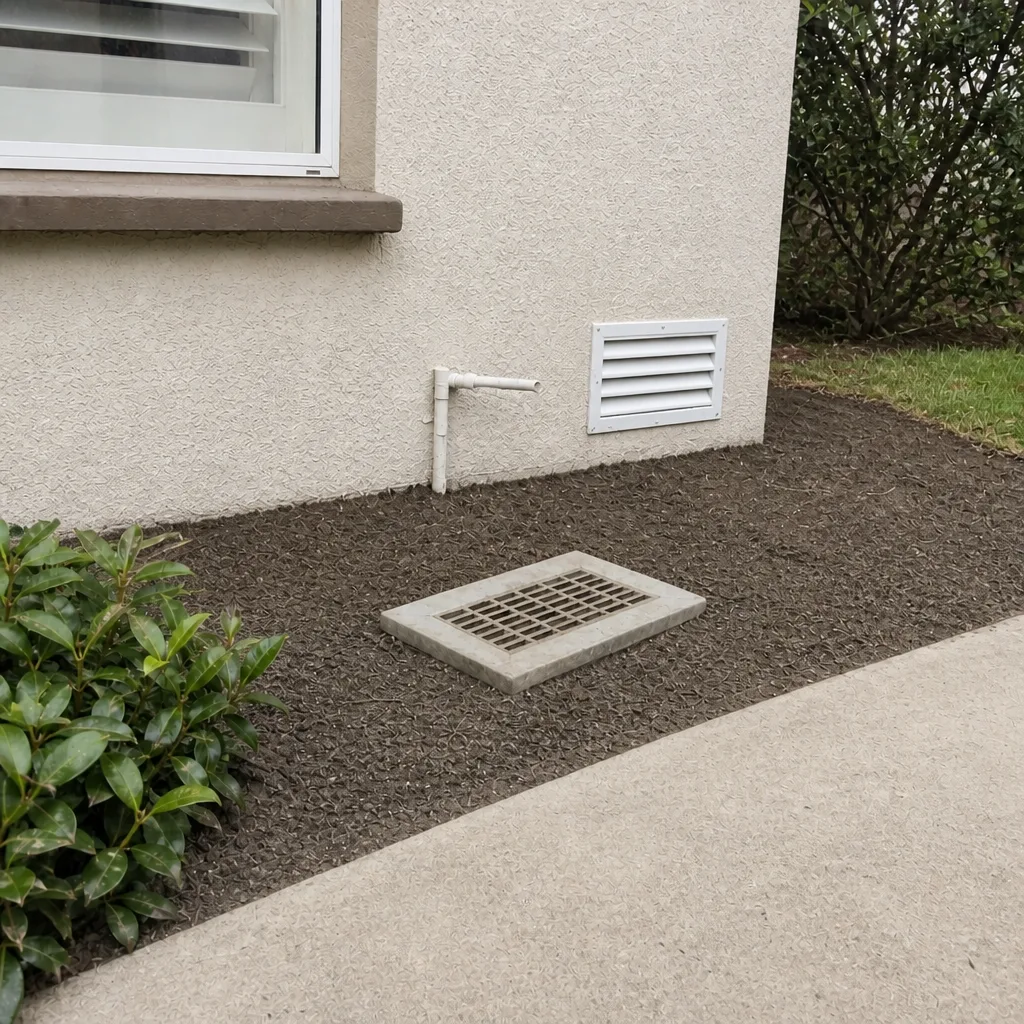
See the difference
 Before
 After
 Before
 After
 Before
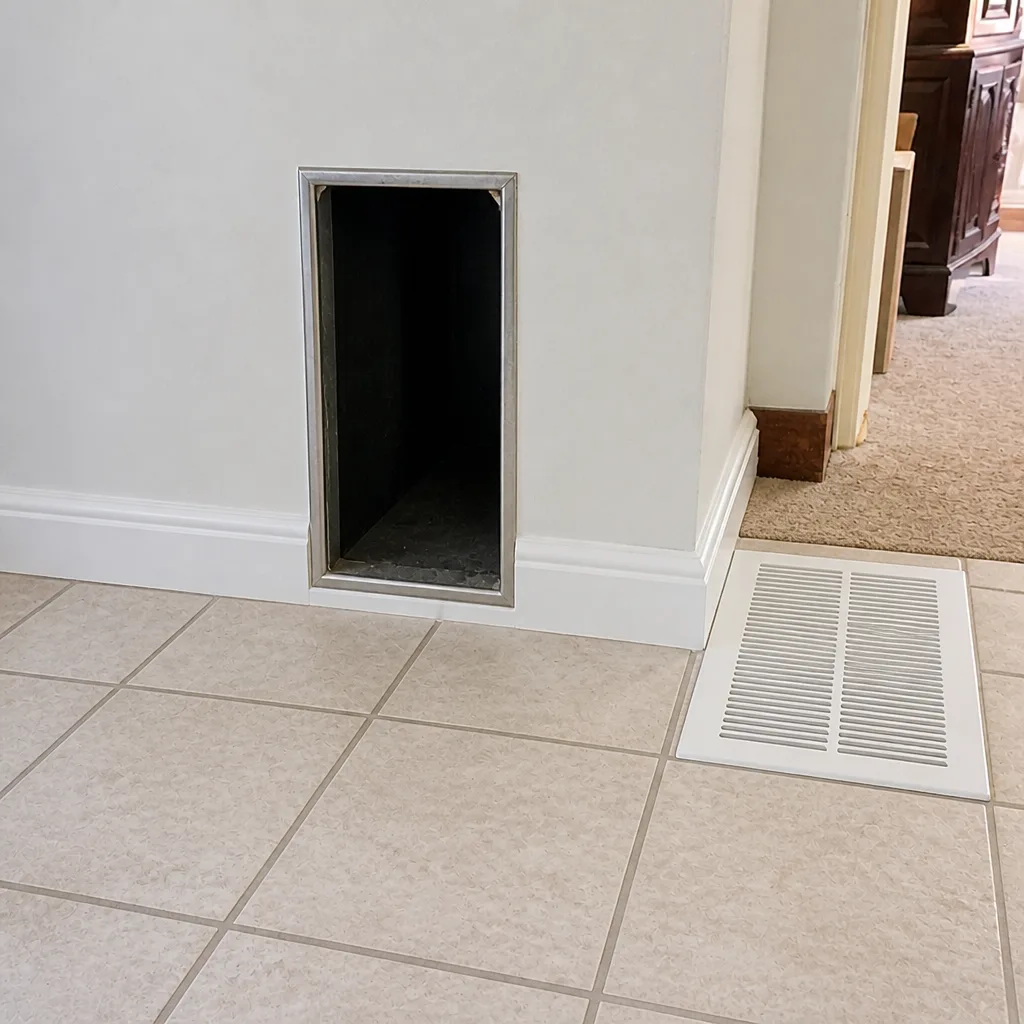 After
When to Call a Professional
Call when a homeowner-level check produces a finding you cannot fix with a filter or a gasket. Disconnected boots, torn jackets, and sagging duct runs require tools and materials most homeowners don’t keep in the garage. Call when duct cleaning is warranted and you want it done with containment, not a shop vac. Call when the system has been cleaned before and the dust returned anyway, because that’s a diagnostic signal, not a reason to clean again blindly. Duct Cleaning Aliso Viejo offers free estimates in Aliso Viejo. Call (833) 693-2761. We answer 24/7. Fast dispatch from 7am to 7pm, Sunday through Friday.
Frequently Asked Questions
Most Aliso Viejo homes benefit from professional air duct cleaning every 3 to 5 years, but the interval depends on what your monthly checks reveal. Homes near the 73 freeway corridor or with pets and high Santa Ana season dust exposure may need cleaning more frequently. The log you keep between cleanings is the best indicator of whether that interval needs to shorten.
Dust reloading within two weeks of a filter change almost always indicates filter bypass or a return-side leak, not dirty ducts. Air is entering the system through a gap rather than through the filter media, carrying attic dust and insulation particles into your supply registers. The fix is sealing the bypass, not cleaning the ducts again.
A shop vac cannot reach the full duct run and does not provide HEPA-level filtration on the exhaust side. Attempting it typically redistributes dust through the home and leaves the majority of the duct surface untouched. Professional equipment, like the Rotobrush rotary brush system paired with Nikro HEPA extraction, agitates and captures contaminants in a way consumer tools cannot.
Duct cleaning removes accumulated dust, debris, and biological material from the interior surfaces of the duct system. Air duct repair addresses the physical integrity of the ductwork: sealing leaks, reconnecting boots, replacing damaged sections, and restoring proper airflow. A complete solution often requires both, since cleaning a leaking system invites re-contamination.
Yes, and the cleaning should follow the pest exclusion, not precede it. Rodent waste and nesting material in ducts require mechanical agitation and HEPA extraction to remove safely. After cleaning, the entry points must be sealed so the problem doesn’t recur. Our air duct cleaning process handles the extraction; duct repair addresses the entry points.
Dryer vent cleaning is a separate service with its own interval, typically every 12 months for most Aliso Viejo households. Lint accumulation in dryer vents is a fire risk and an efficiency drain. We perform dryer vent cleaning as a standalone service, and it belongs on an annual calendar alongside filter and duct inspections.
The Bottom Line
A maintenance checklist only works when it’s built around what actually fails in Aliso Viejo duct systems: filter bypass, return-side leaks, attic flex duct degradation, and pest entry. The monthly register check and quarterly filter cabinet inspection catch the bypass problems. The seasonal attic walk-through catches duct jacket failure and loose connections. The log ties it all together and turns vague complaints into actionable diagnostic data. When the checklist identifies something beyond a homeowner fix, the next step is a professional assessment and the repair work that makes cleaning stick. Aliso Viejo homeowners who follow this framework spend less on repeated cleanings and more time breathing air that actually moved through the filter.
Written by the team at Duct Cleaning Aliso Viejo, serving Aliso Viejo since 2016.