
Last updated November 4, 2026
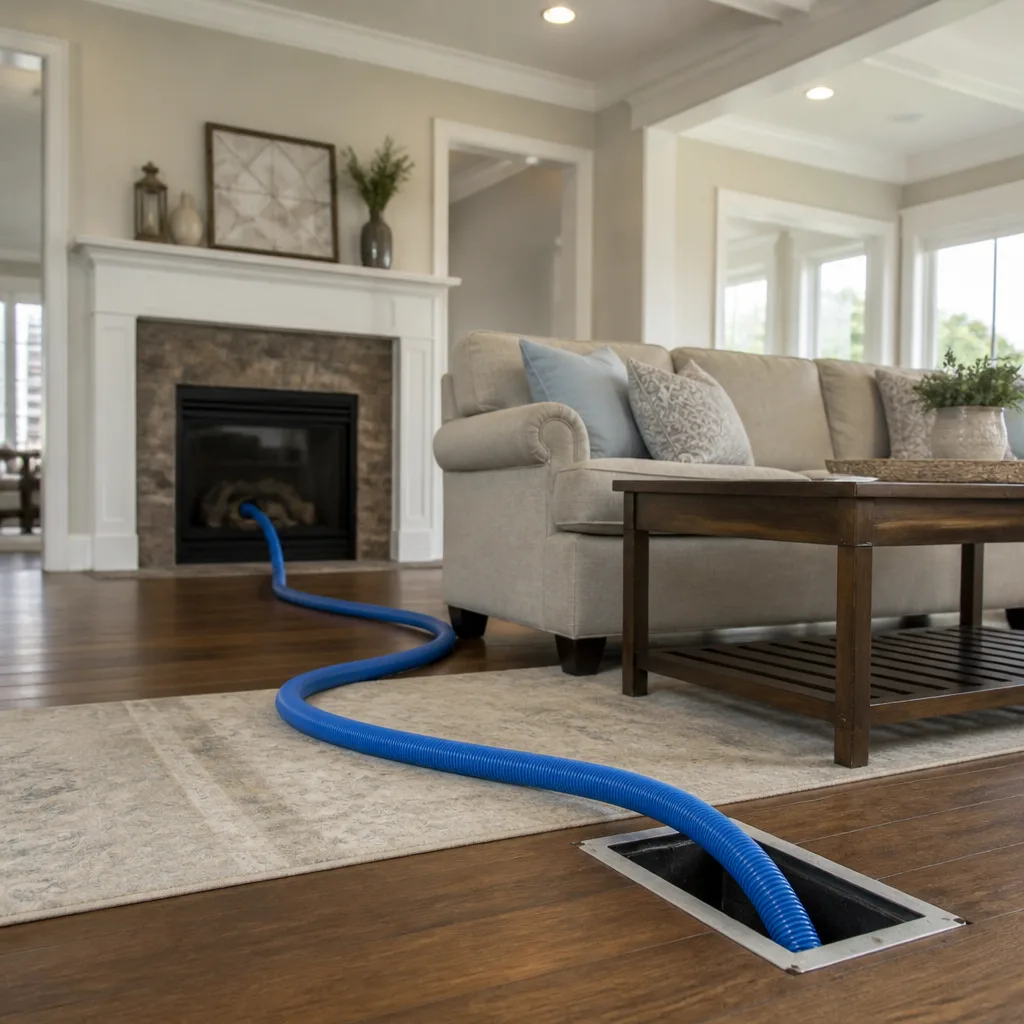 Whole-home duct cleaning
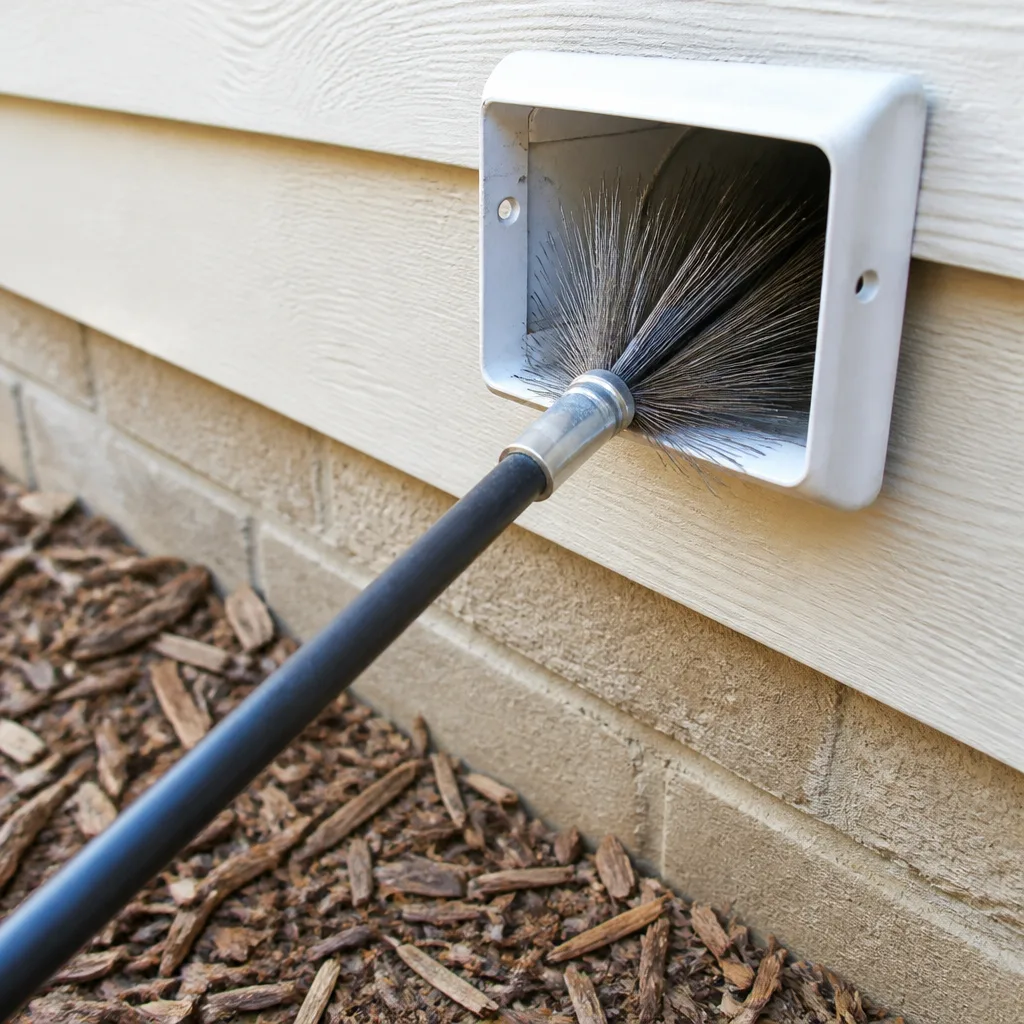 Dryer vent cleaning
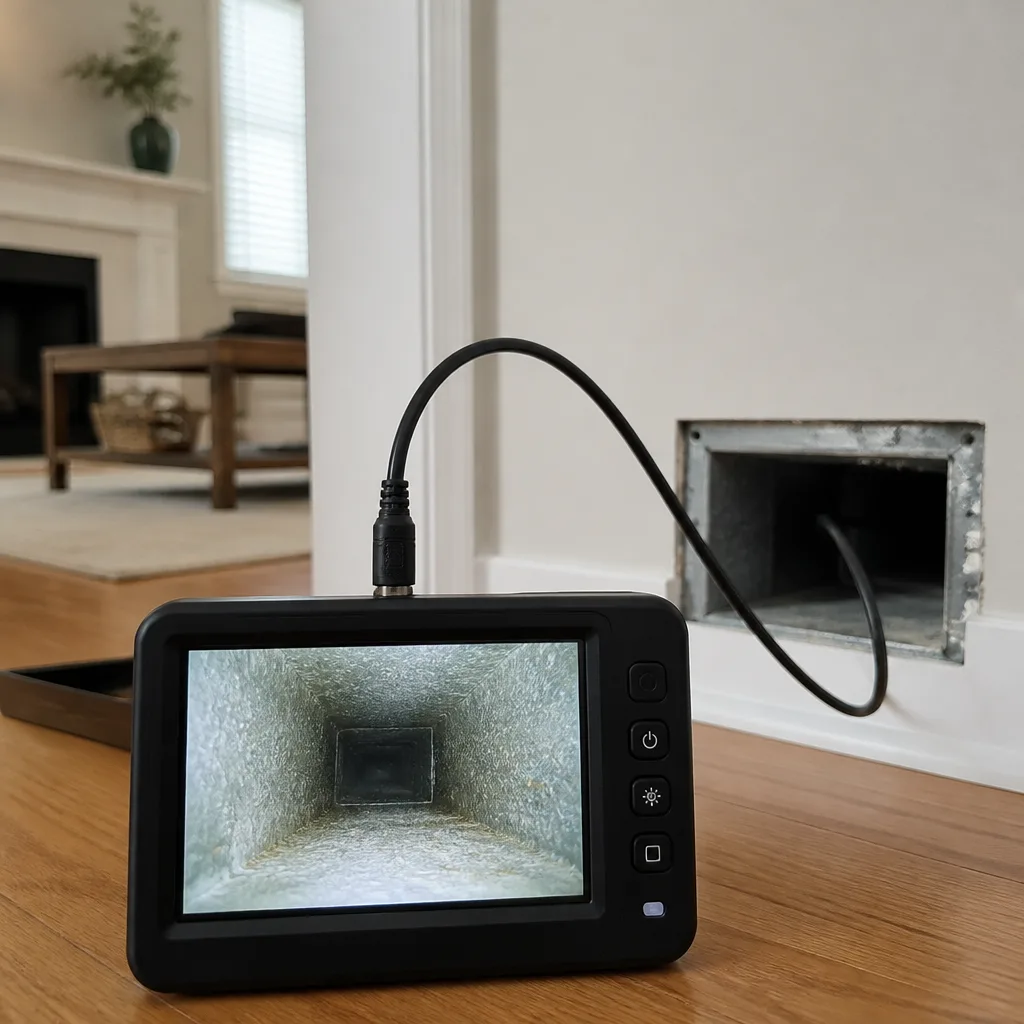 Camera inspection
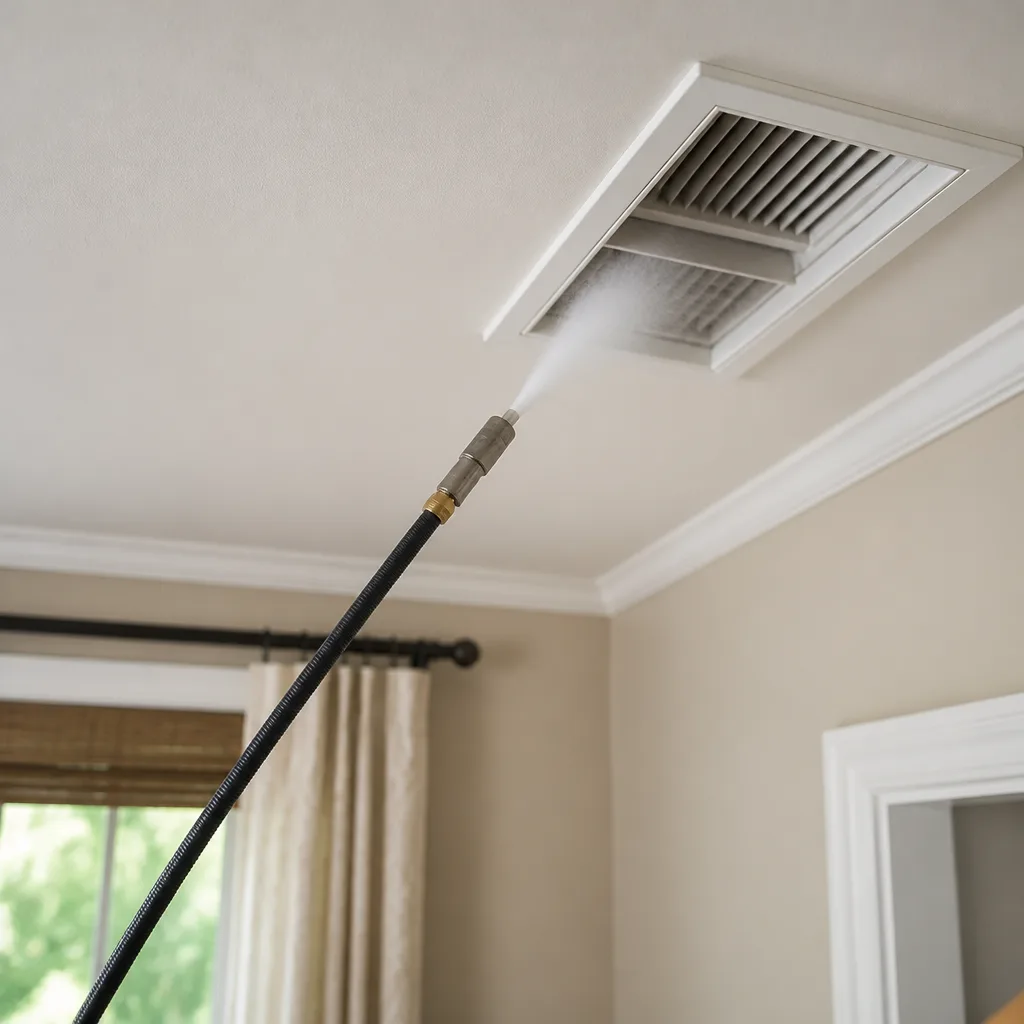 Sanitizing & deodorizing
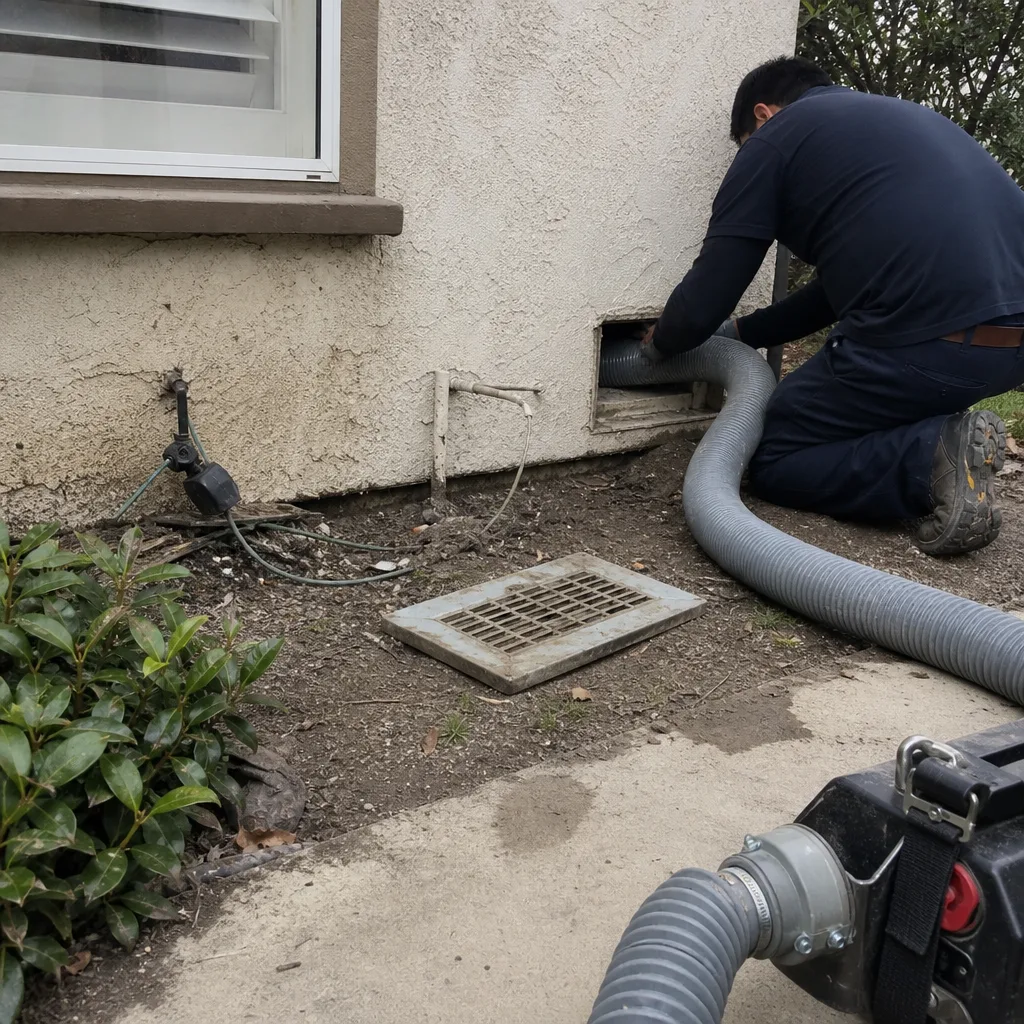
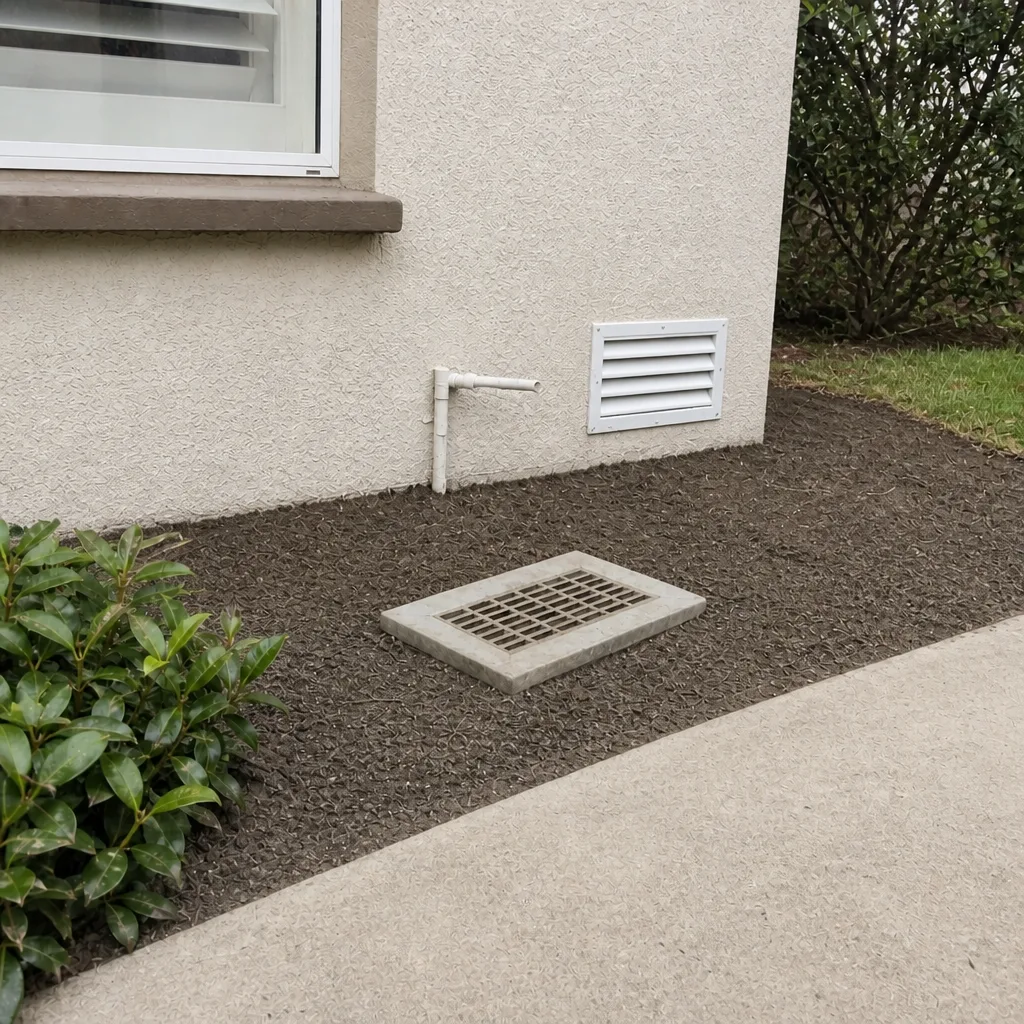
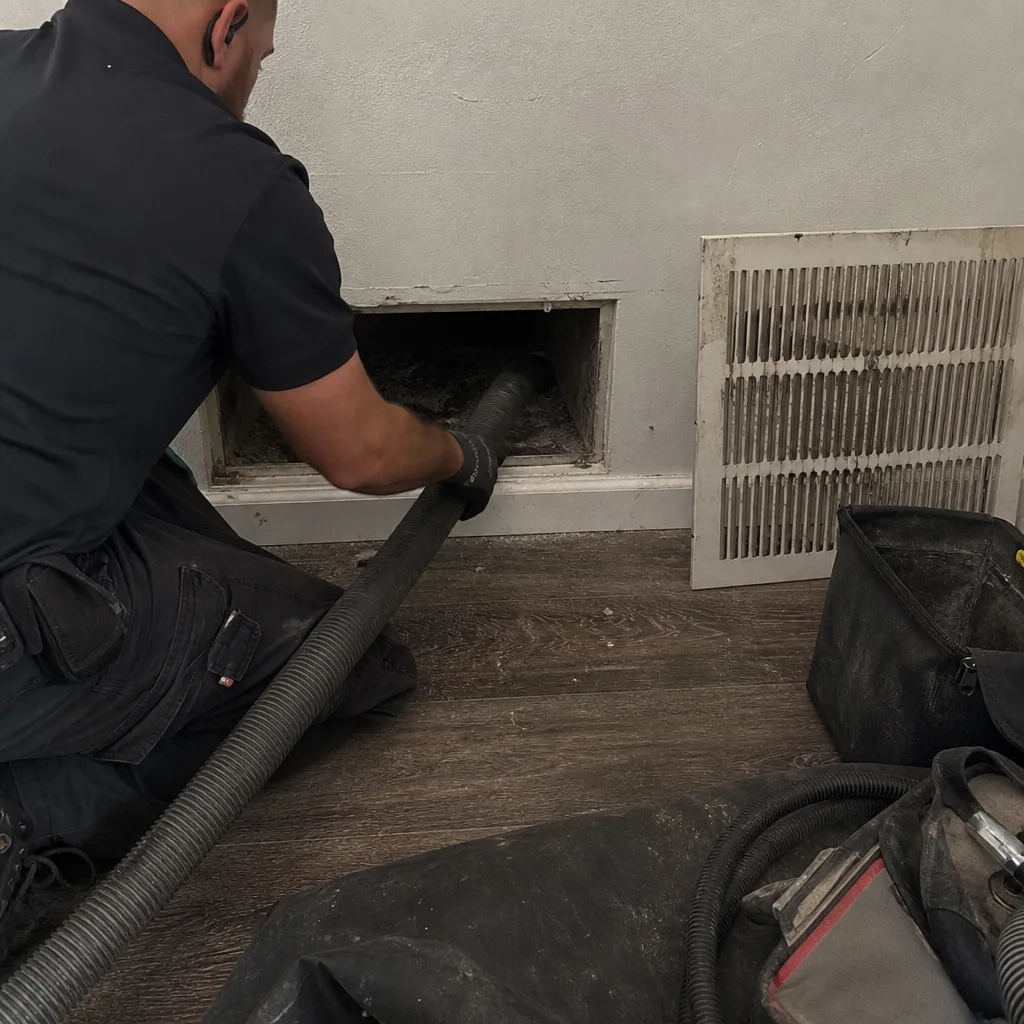
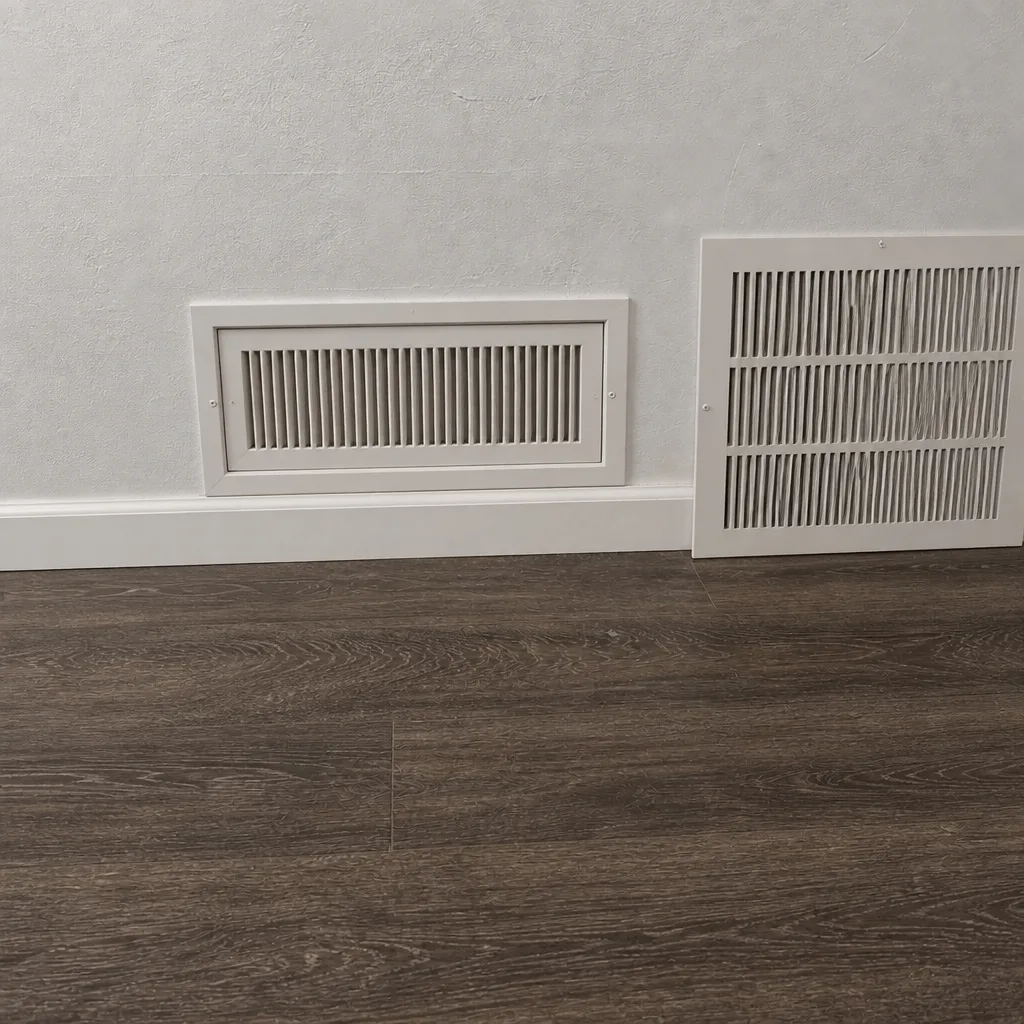
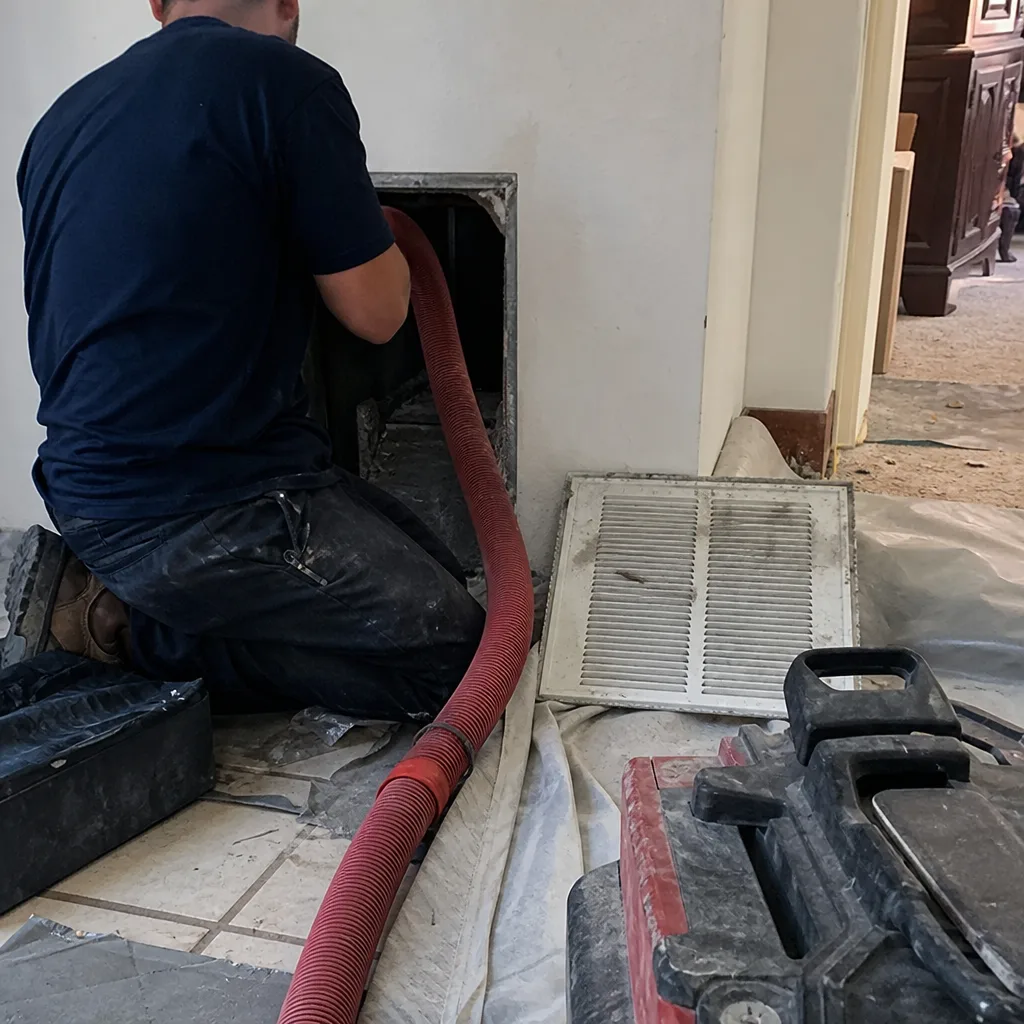
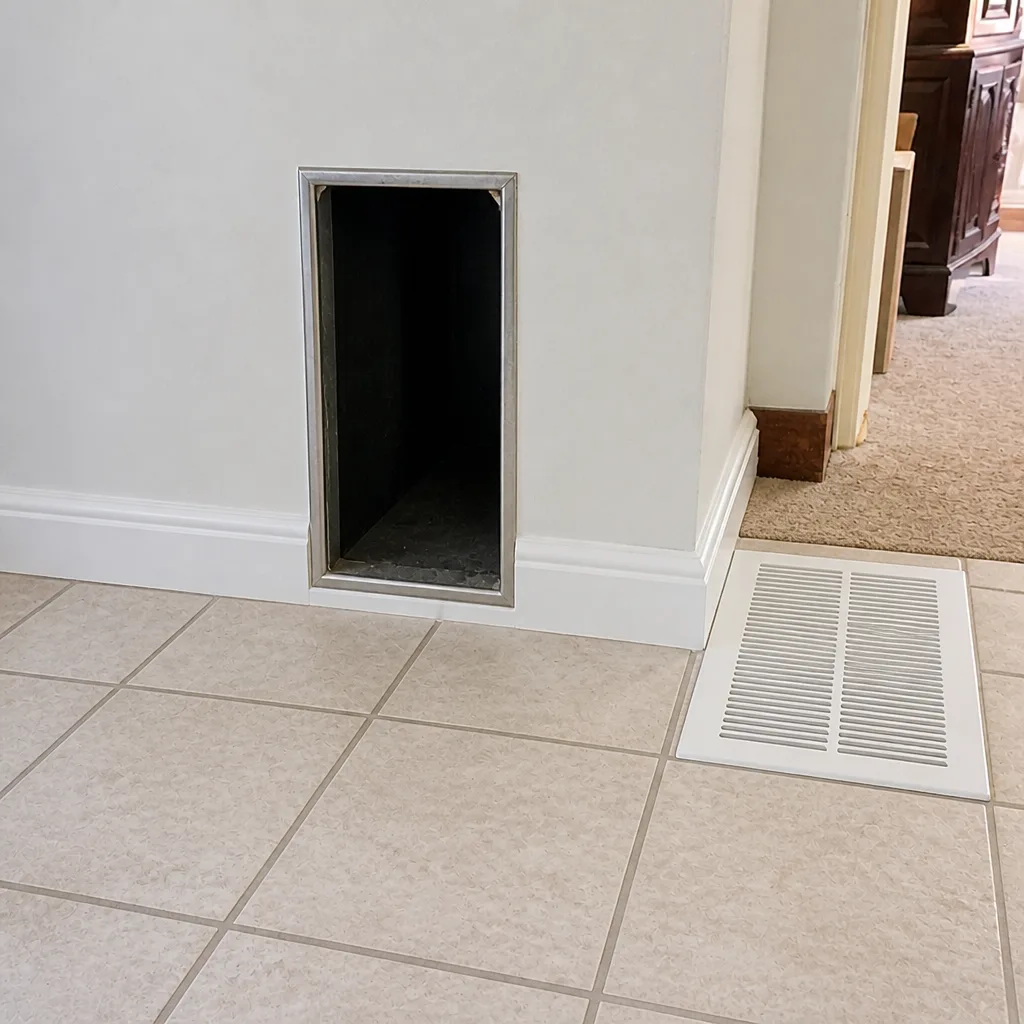
Whole-system duct and dryer vent check with before-and-after photos - you see exactly what came out of your vents
That "$99 whole-house special" is a bait ad - the real number appears once they are in your hallway, or the "clean" is a shop-vac at the register. We photograph the inside of your ducts before and after instead.
Choosing the Right Air Duct Cleaning Brand: A Buyer’s Guide for Aliso Viejo
Most homeowners in Aliso Viejo assume a certified duct cleaner is a capable duct cleaner, but NADCA doesn’t certify equipment. It certifies technicians. A technician can pass every written exam and still arrive at your door with a consumer-grade shop vac and a rotating brush attachment that can’t generate the airflow velocity or negative pressure required to actually extract what it dislodges. Certification tells you the operator knows the standard. It says nothing about whether the tools on the truck can meet it. This guide names the specific equipment categories, brands, and verification methods that separate a genuine professional-grade operation from a credentialed one with inadequate gear, so you can evaluate any contractor in Aliso Viejo on facts rather than sales language.
Styles & brands we work with
- Whole-home duct cleaning
- Dryer vent cleaning
- Camera inspection
- Sanitizing & deodorizing
Quick Answer
The right air duct cleaning company in Aliso Viejo uses professional-grade negative air equipment with documented CFM ratings, offers camera inspection before and after the job, and carries duct repair materials on the truck rather than cleaning around damage. Look specifically for truck-mounted or portable negative air machines from brands like Rotobrush, Nikro, or Abatement Technologies, not shop vacs or consumer-grade gear. Ask to see the equipment specs and the pre-and-post cleaning camera footage before you sign anything.
Table of Contents
- Why Equipment Brand Matters More Than Certification
- The Two Professional Equipment Categories You Should Recognize
- What Specific Brand Names Indicate About a Contractor
- Camera Inspection: The Verification You’re Paying For
- Why Repair Capability Separates Real Specialists from Cleaning-Only Operations
- Questions to Ask About Cleaning Agents and Antimicrobial Products
- What Aliso Viejo Homes Actually Need from Duct Cleaning
- Common Mistakes to Avoid
- When to Call a Professional
- Frequently Asked Questions
- The Bottom Line
Why Equipment Brand Matters More Than Certification
The mechanical process of air duct cleaning is simple in principle: agitate the debris stuck to duct walls, then extract it with negative pressure so it exits the home. What separates competent work from theater is whether the extraction system can actually capture what the agitation loosens. NADCA standards reference airflow velocities and negative pressure thresholds that require machines capable of moving thousands of cubic feet per minute, not the few hundred a shop vac produces. A certified technician running a consumer vacuum is applying a commercial standard with residential tools. The certification confirms knowledge. It does not confirm capability.
In our experience serving Aliso Viejo, we’ve walked into homes where a previous contractor left visible debris in supply registers because their equipment couldn’t pull material from the full duct run. The homeowner paid for a service that looked right on paper and delivered nothing measurable. The honest question to ask any contractor is not whether they’re certified. It’s whether they can show you the extraction machine and state its CFM rating. If they can’t answer that question clearly, the certification is carrying weight the equipment can’t.
Home size matters here. Aliso Viejo’s housing stock runs heavily toward attached townhomes, condos, and single-family homes in the 1,200 to 2,800 square foot range. Duct runs in these properties are moderate in length, which means a properly sized portable negative air unit can often do the job. But the unit still needs to generate enough static pressure to pull through long return drops and tight supply branches. Equipment brand and model tell you whether the machine was engineered for this task or adapted to it.
The Two Professional Equipment Categories You Should Recognize
Professional duct cleaning systems fall into two broad categories, and both are legitimate when matched to the right job. Knowing the difference helps you evaluate whether a contractor has the right tool for your Aliso Viejo home rather than whatever fits in their van.
1. Truck-Mounted Negative Air Machines
These are the heavy hitters. A truck-mounted unit uses a large gas or diesel engine to spin a massive blower, generating 12,000 to 15,000 CFM or more of negative pressure. That’s enough to pull debris from the longest commercial duct runs. For most residential work, including nearly every home in Aliso Viejo, this is overkill. Truck-mounted units also require a large truck that can’t always park close to a townhome or navigate a condo complex’s parking restrictions. We respect the capability, but the honest assessment is that truck-mounted systems are built for scale, not for the typical Aliso Viejo property.
2. Portable Negative Air Units
A portable negative air machine typically generates between 2,000 and 5,000 CFM and runs on standard electrical power. Used correctly, a high-quality portable unit matched with proper agitation tools can meet NADCA airflow standards for homes up to around 3,000 square feet. This category includes the equipment we run: Rotobrush’s rotary brush system for mechanical agitation, paired with Nikro HEPA-rated vacuum and negative air equipment for contaminant capture. The combination matters. Agitation without adequate extraction just knocks dust loose and sends it into the living space. Extraction without agitation leaves the film of debris on the duct walls. Both tools have to be present and properly sized.
When a contractor tells you they use professional equipment, ask which category and what CFM rating. A portable unit rated at 2,200 CFM with HEPA filtration is a legitimate professional system. A “professional-grade” extraction attachment on a 150 CFM shop vac is not the same thing no matter what name is on the label.
What Specific Brand Names Indicate About a Contractor
Brand names are not marketing decoration. They’re a quick way to assess whether a contractor invested in purpose-built duct cleaning platforms or improvised with general-purpose tools. Three names come up consistently in professional duct cleaning, and each signals something specific about how the operator works.
Rotobrush is best known for its rotary brush system, which feeds a spinning brush into the duct while a vacuum runs simultaneously. The brush scrubs the duct walls mechanically, the vacuum extracts what it dislodges, and the process happens in one pass. It’s a designed system with matched components, not a collection of parts from different manufacturers. A contractor running Rotobrush equipment has invested in a platform engineered specifically for residential duct cleaning.
Nikro builds HEPA-rated vacuum and negative air equipment used in duct cleaning, mold remediation, and other IAQ work. The HEPA designation matters because it means the exhaust air is filtered to a standard that captures very fine particulates. In an Aliso Viejo home with a resident managing asthma or allergies, the distinction between a HEPA-filtered exhaust and a standard filter exhaust is the difference between containing the job and adding airborne particulates to the living space.
Abatement Technologies is another name that shows up in serious IAQ work, known for containment and filtration equipment built to capture dislodged contaminants rather than redistribute them. Abatement machines are built for jobs where keeping loosened material out of the occupied space is the whole point. When a duct cleaner runs containment equipment from Abatement Technologies during the cleaning, the process treats your home as the space to protect, not just a duct run to empty.
The presence of these brands in a contractor’s trailer indicates a commitment to professional-grade methodology. Their absence doesn’t prove incompetence, but it shifts the burden of proof. If the equipment is unbranded or consumer-grade, ask harder questions about CFM, filtration, and how they verify the work was done.
Camera Inspection: The Verification You’re Paying For
Without camera documentation, a duct cleaning is a handshake and a hope. The contractor says the ducts are clean. The homeowner can’t see inside the return drop or the far end of a supply branch to confirm it. A camera inspection system changes everything. The contractor runs a camera through the duct before cleaning to document the actual condition, identifying debris accumulation, blockages, or damage. After cleaning, the same camera documents what was removed and what the duct now looks like. You can see the before and after with your own eyes.
We consider camera documentation a baseline requirement for any professional duct cleaning, not an upgrade. It protects the homeowner from a contractor who claims to have cleaned while leaving years of accumulated dust on the duct walls past the first few feet. It also protects the contractor from disputes about what was present before the job. For a homeowner in Aliso Viejo hiring a contractor for the first time, the camera footage is the only real proof that the service you paid for actually happened in the places you can’t see.
Ask any contractor you’re evaluating two questions. First, do you offer pre-cleaning and post-cleaning camera documentation as part of the standard service? Second, will I receive the footage or images so I can review them myself? If the answer to either is no, that’s not a reason to automatically reject the contractor. But it is a reason to ask what verification method replaces the camera, and whether that method would satisfy you if the job didn’t visibly improve the air quality you’re trying to fix.
Why Repair Capability Separates Real Specialists from Cleaning-Only Operations
Clean ducts are only half the job. Intact ducts are the other half. A cleaning-only operator can scrub the duct walls and walk away while a disconnected branch under the house pulls attic air into the system, or a leaking return plenum sucks conditioned air out of the envelope and into the crawlspace. The homeowner sees no improvement because the system is still drawing contaminants in faster than cleaning removes them. The technician may have done exactly what they were hired to do, and the result is still failure at the system level.
This is the gap that separates a dedicated indoor-air-quality specialist from a generalist. A contractor who offers Duct Cleaning Aliso Viejo as one of a focused set of services should be able to assess duct integrity during the cleaning and address common issues on the spot. That means carrying repair materials on the truck: mastic, foil tape rated for ductwork, replacement collars, and patching material for small breaches. If the contractor doesn’t carry repair materials, any damage they find becomes a second appointment with a different company, or worse, a problem you’re told about and then left with.
Duct repair is rare among duct cleaners. Most companies in the trade are built around cleaning volume, not system integrity. When you find an operator who pairs cleaning with repair capability, you’ve found a company that can actually close the loop on the problem you’re paying to solve. The cleaning removes what’s accumulated. The repair stops what’s leaking. Both have to happen for the duct system to function as intended.
Questions to Ask About Cleaning Agents and Antimicrobial Products
Some duct cleaning jobs involve more than mechanical agitation and extraction. A contractor may recommend a cleaning agent for heavy soil, a deodorizer for persistent odors, or an antimicrobial treatment after cleaning to inhibit microbial growth on duct surfaces. This is a legitimate part of the trade, but it’s also where vague language and unregistered products creep in. Homeowners in Aliso Viejo should ask specific questions before approving any chemical applied inside their ductwork.
The first question is about EPA registration. Any product marketed as an antimicrobial, sanitizer, or disinfectant for use in ductwork must carry an EPA registration number. If the contractor recommends a product and can’t show you the label or the registration number, do not allow it in your ducts. The registration confirms the product has been evaluated for its intended use and that its label directions are legally binding. A contractor using unregistered products is either cutting corners or doesn’t understand the regulatory framework that governs their own trade.
The second question is about product documentation. Legitimate professional-grade products come with Safety Data Sheets and label directions that specify application rates, dwell times, and any precautions. A contractor who recommends a product should be able to tell you what it is, why it’s appropriate for your specific situation, and what the label requires for proper application. If the explanation is vague or the product name sounds invented, ask to see the label. Professionals welcome the question because the documentation supports their recommendation.
The third question is whether the product is necessary at all. Mechanical cleaning with proper extraction removes the bulk of accumulated debris without any chemical assistance. In many Aliso Viejo homes, a thorough mechanical clean is the appropriate intervention, and chemical treatments are optional or unnecessary. A contractor who recommends a treatment should be able to explain what problem the chemical solves that mechanical cleaning alone can’t address. If the explanation doesn’t make sense, you’re allowed to decline.
What Aliso Viejo Homes Actually Need from Duct Cleaning
Aliso Viejo’s climate shapes the kind of debris that accumulates in residential duct systems. Winters are mild, which means the heating season is short and the air conditioning season is long. Homes run their HVAC systems for cooling across much of the year, pulling air through returns and pushing it through supplies continuously. That constant airflow deposits dust, pet dander, and skin cells on duct walls, and the moisture from coastal-inland temperature swings can make some of that debris stick rather than blow through.
The housing stock matters too. Aliso Viejo is a master-planned community with a high proportion of attached townhomes and condos alongside single-family homes. Attached units share walls with neighbors, which means duct systems are often shorter and more accessible than in sprawling single-family homes. That’s good news for cleaning access. But it also means indoor air quality in one unit can be influenced by neighboring units, and a clean, sealed duct system is one of the few variables a homeowner can actually control.
Homeowners considering duct cleaning in Aliso Viejo should also think about dryer vent cleaning as a related service. The two systems are separate, but they share a vulnerability: lint and debris accumulate inside an enclosed space where no one can see it, and the first sign of trouble is often reduced performance rather than visible blockage. A focused IAQ specialist who handles both duct cleaning and dryer vent cleaning brings the same professional-grade equipment and verification standards to both jobs.
For landlords and property managers in Aliso Viejo, the calculation is slightly different. Tenant turnover often means years of deferred maintenance on duct systems, with debris accumulating through multiple occupancy periods. Property owners looking to protect their asset benefit from camera-documented cleaning that establishes a baseline condition and identifies any repair needs before they become tenant complaints or system failures. The professional-grade equipment and repair capability that matters to a homeowner matters equally to an owner managing units across the Aliso Viejo rental market.
Common Mistakes to Avoid
- Hiring based on price alone. A $99 whole-home duct cleaning in Aliso Viejo is a bait price that presumes upsells once the technician is in the door. Professional-grade equipment, proper containment, and camera documentation cost money to run, and the price reflects what’s actually being delivered.
- Assuming certification equals capability. NADCA certifies technicians, not equipment. A certified technician with a shop vac is still operating below the airflow thresholds the standard implies. Ask about equipment, not just credentials.
- Accepting a quote without asking about CFM ratings. If a contractor can’t tell you the CFM of their extraction unit, they can’t tell you whether it meets any meaningful standard. The number matters more than the brand name on the van.
- Skipping camera documentation. Without before-and-after camera footage, you’re paying for a service you can’t verify. Aliso Viejo homeowners should receive visual proof that the ducts they paid to clean are actually clean.
- Ignoring duct integrity during a cleaning. A clean duct that leaks is still a failed duct. If your contractor can’t address repair needs they find during the cleaning, you’re paying for half the solution.
- Approving chemical treatments without asking questions. Any antimicrobial or cleaning agent applied inside your ductwork should have an EPA registration number and label documentation. No registration, no application.
- Choosing a generalist over a specialist. An HVAC company that offers duct cleaning as one of twenty services rarely runs dedicated duct cleaning equipment or carries repair materials on the truck. A focused IAQ operation lives or dies by the results its equipment produces.
When to Call a Professional
Duct cleaning is worth calling a professional when you can see debris at the supply registers, when household members with allergies or asthma report symptoms that improve away from home, when rooms heat or cool unevenly despite a functioning HVAC system, or when a renovation has introduced construction dust into the ductwork. You should also call if a previous duct cleaning didn’t include camera documentation and you want a verifiable assessment of what’s actually inside your ducts. If you’re unsure whether your ducts need cleaning, a reputable contractor will tell you honestly rather than manufacture urgency. Duct Cleaning Aliso Viejo offers free estimates in Aliso Viejo. Call (833) 693-2761.
Frequently Asked Questions
A professional duct cleaner should use a negative air machine capable of generating at least 2,000 CFM for most Aliso Viejo homes, paired with mechanical agitation tools like a rotary brush system. Brands like Rotobrush, Nikro, and Abatement Technologies are purpose-built for duct cleaning, unlike consumer-grade shop vacs that lack the airflow and filtration to meet NADCA standards.
Camera documentation is the standard verification method. A reputable contractor runs a camera through the ducts before cleaning to show the accumulation and again after cleaning to show the result. You should receive the footage or images so you can review the work yourself rather than taking the contractor’s word for it. Call (833) 693-2761 if you want a duct assessment with camera documentation in Aliso Viejo.
Most duct cleaning companies do not offer repair as part of the service. A dedicated IAQ specialist that pairs cleaning with repair capability can address disconnected branches, leaking plenums, and small breaches during the same visit, which matters because a clean duct system with leaks still pulls contaminants into the home.
Antimicrobial products used in ductwork must carry an EPA registration number. Before approving any treatment, ask to see the product label and registration number, and ask what the product solves that mechanical cleaning alone can’t address. If the contractor can’t produce documentation, decline the treatment.
Pricing varies by home size, system configuration, and the scope of work, but professional-grade duct cleaning in Aliso Viejo reflects the cost of running proper negative air equipment, containment, and camera documentation. A whole-home cleaning priced at a coupon rate is almost always a loss leader designed to upsell once the technician arrives. Call (833) 693-2761 for a free estimate based on your specific system.
Most homes in Aliso Viejo benefit from duct cleaning every 3 to 5 years, though homes with pets, smokers, or recent renovations may need it more frequently. The honest answer depends on what the ducts look like when a camera inspects them, not on a calendar schedule. A camera assessment gives you a factual baseline for when cleaning is actually warranted.
The Bottom Line
Choosing a duct cleaning company in Aliso Viejo comes down to equipment, verification, and repair capability. The brand names on the truck matter because they indicate whether the contractor invested in professional-grade negative air machines and mechanical agitation tools or improvised with consumer equipment. Camera documentation is the only way to verify the work was actually done. And repair capability separates operators who leave your ducts clean but broken from those who leave your system both clean and intact. Ask the hard questions up front, expect verifiable answers, and don’t let a low price substitute for documented results.
Written by the team at Duct Cleaning Aliso Viejo, serving Aliso Viejo since 2016.
See the difference
 Before
 After
 Before
 After
 Before
 After