
Last updated November 4, 2026
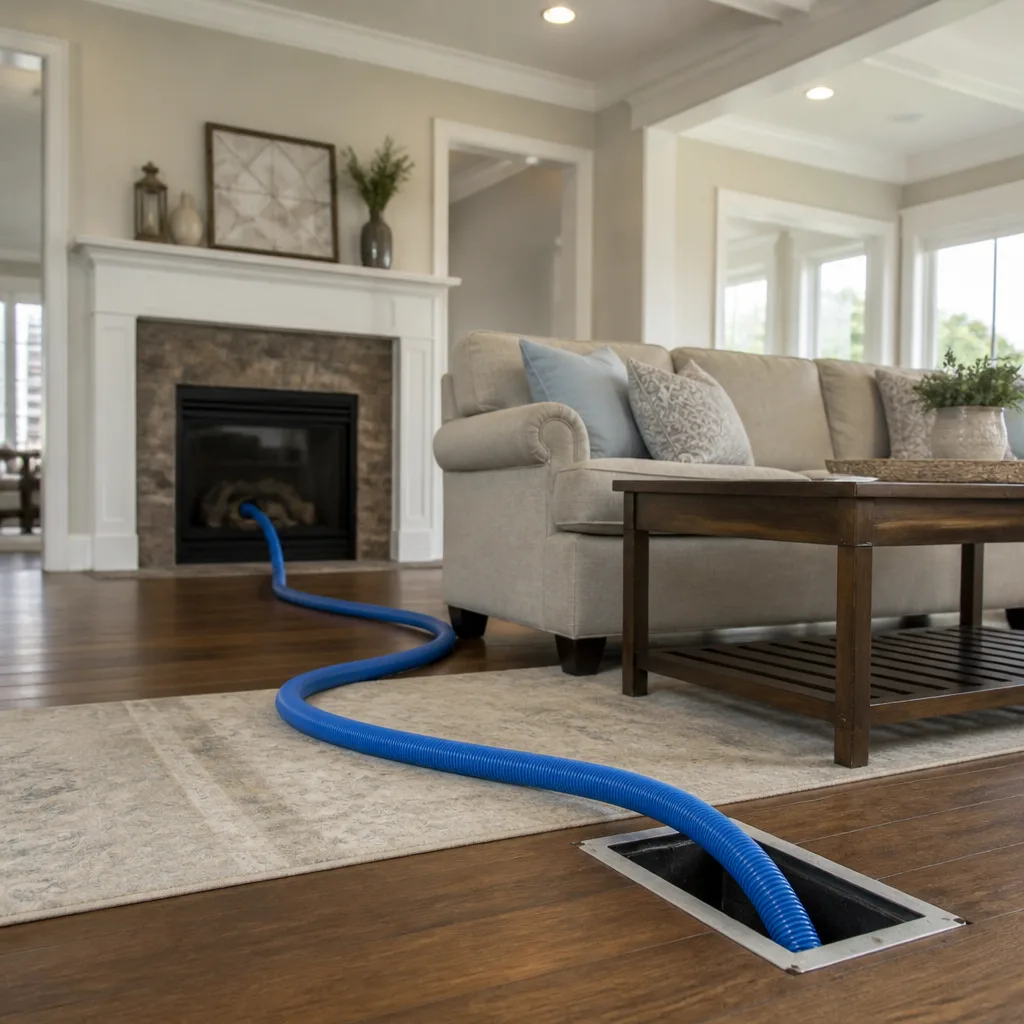 Whole-home duct cleaning
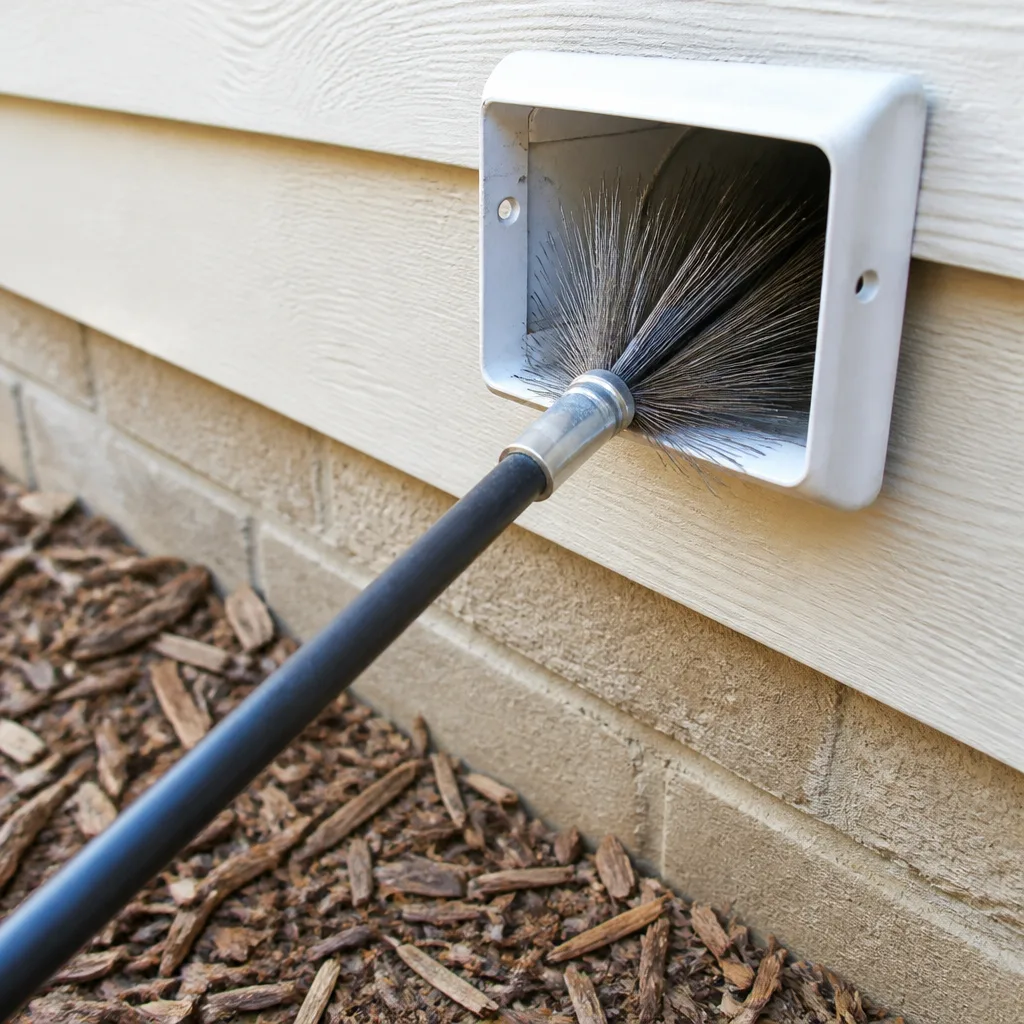 Dryer vent cleaning
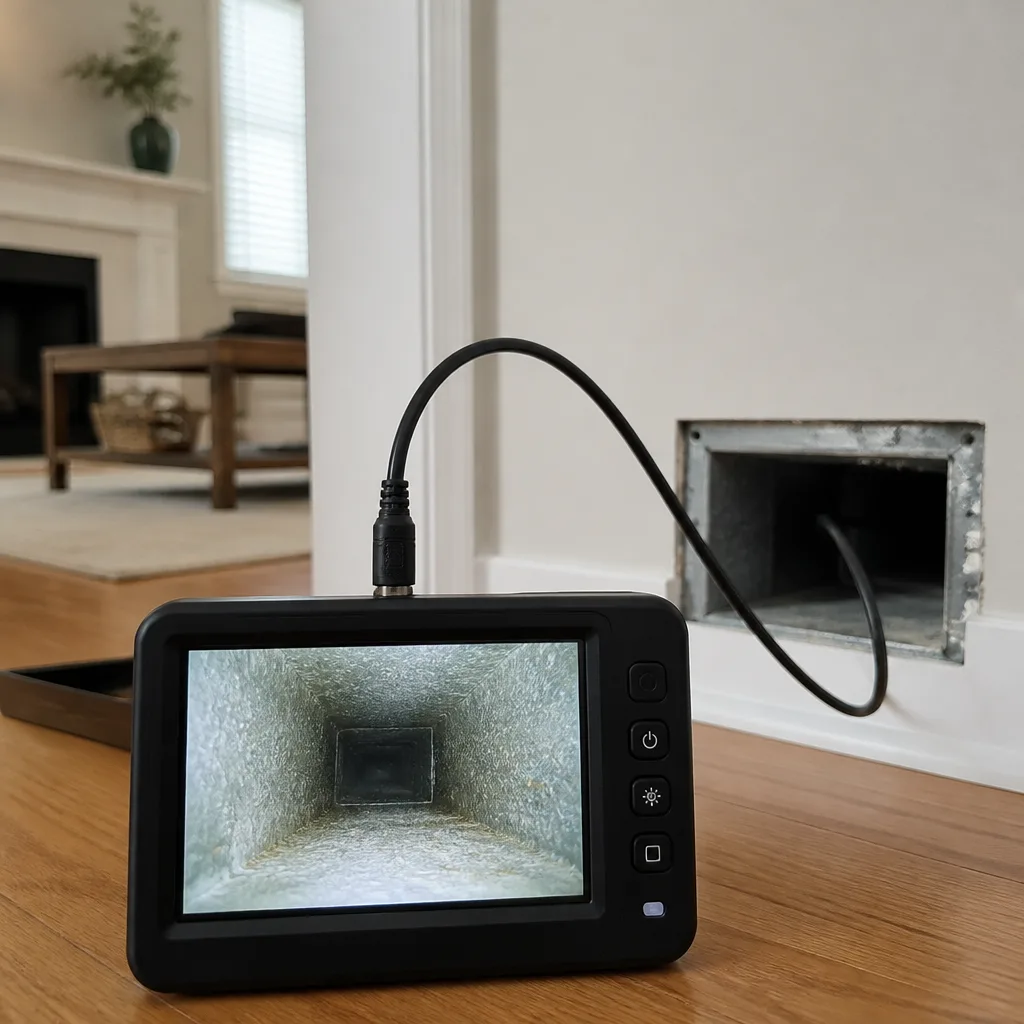 Camera inspection
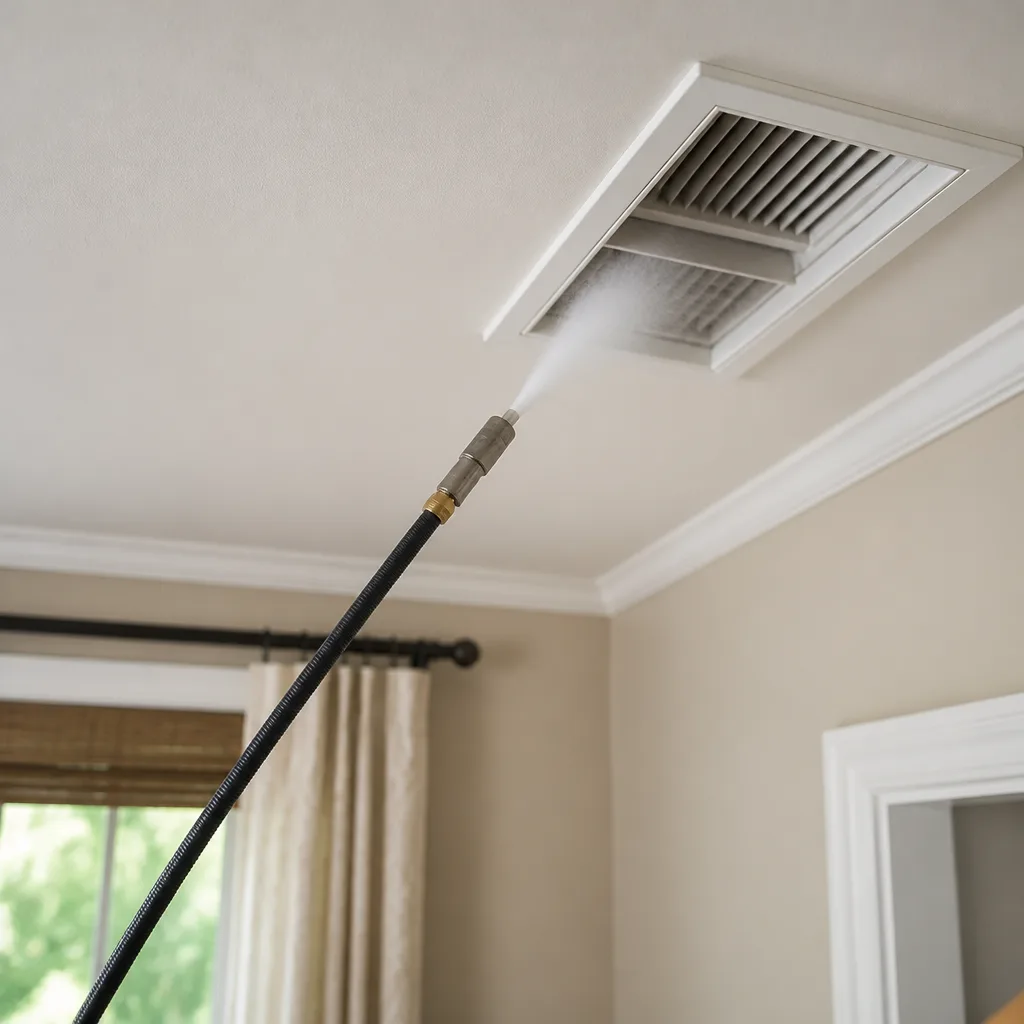 Sanitizing & deodorizing
Whole-system duct and dryer vent check with before-and-after photos - you see exactly what came out of your vents
That "$99 whole-house special" is a bait ad - the real number appears once they are in your hallway, or the "clean" is a shop-vac at the register. We photograph the inside of your ducts before and after instead.
How to Hire an Air Duct Cleaning Contractor in Aliso Viejo: A Step-by-Step Guide
The biggest hiring mistake Aliso Viejo homeowners make isn’t skipping the review check. It’s not knowing which technical questions to ask before a technician ever rings the doorbell. Most people end up comparing two or three quotes on price alone, because nobody handed them a framework for evaluating whether the work being quoted would actually pass a NADCA-standard inspection. A $49 duct cleaning offer circulates through Aliso Viejo neighborhoods every few months, and the contractors behind those flyers are rarely NADCA-certified, rarely use true negative-pressure equipment, and routinely upsell unneeded mold treatments once they’re inside your home. This guide gives you the specific screening questions, credential checks, and on-site verification steps that separate a legitimate duct cleaning operation from a coupon-bait operator.
Quick Answer
To hire an air duct cleaning contractor in Aliso Viejo, verify NADCA membership and certification on the association’s public directory, then ask three equipment questions: whether they use truck-mounted or portable negative-pressure units, what CFM rating their vacuum pulls, and whether they run a rotary brush or contact agitation. Get a whole-system flat price in writing before work starts, require before-and-after photos of your actual ducts, and confirm they provide a written post-job report. A credible contractor will welcome these questions; a coupon operator will deflect them.
Styles & brands we work with
- Whole-home duct cleaning
- Dryer vent cleaning
- Camera inspection
- Sanitizing & deodorizing
Table of Contents
- The Three NADCA Credentials to Verify Before You Book
- Equipment Questions That Reveal Whether You’re Getting a Real Clean
- Contract Language That Tells You Everything Before the Work Starts
- How to Structure an On-Site Walkthrough That Protects You
- Post-Job Documentation: What a Legitimate Contractor Provides in Writing
- What Makes Aliso Viejo Homes Different When It Comes to Ducts
- What Air Duct Cleaning in Aliso Viejo Realistically Costs
- The Complete Hiring Checklist in Order
The Three NADCA Credentials to Verify Before You Book
NADCA, the National Air Duct Cleaners Association, is the only recognized standard-setting body for HVAC system cleaning in North America. When a contractor claims NADCA affiliation, that claim should mean something specific. In our experience, most Aliso Viejo homeowners have never been told that there are actually three different NADCA credentials, each of which means something different. Knowing the difference changes who you let into your home.
Here’s what each credential actually represents:
- NADCA Membership. This is the baseline. A member has paid dues and agreed to follow NADCA standards. Membership alone does not prove technical competence. It does prove the company has made a formal commitment to industry standards, which matters when you’re weighing one bid against another. Cross-check this on the NADCA member directory at nadca.com before booking anything.
- Air Systems Cleaning Specialist (ASCS) certification. This is an individual credential earned by passing a written exam covering HVAC system science, contamination assessment, and cleaning methodology. When a company says “we’re NADCA certified,” ask whether the person who will actually run your job holds ASCS certification, or whether it’s just the owner who passed a test twenty years ago. The answer tells you whether you’re hiring a trained technician or a salesperson with a trained-sounding website.
- Ventilation System Mold Remediator (VSMR) certification. This is a specialized credential for technicians who assess and address microbial contamination inside duct systems. It matters because the biggest upsell in this industry is the fake mold scare. A technician who actually holds VSMR certification can explain what they’re seeing, show you the evidence, and recommend a course of action that holds up to scrutiny. A technician without it who “found mold” during a $99 special is usually selling a script, not a solution.
One practical step most Aliso Viejo homeowners skip: look the company up on the NADCA public member directory before you book, not after. The directory lets you search by ZIP code. If a company claims NADCA credentials and you can’t find them there, that’s your answer, and it saves you an awkward conversation on your doorstep. For genuine air duct cleaning work in Aliso Viejo, this check should take you two minutes and eliminate most of the worst operators immediately.
Equipment Questions That Reveal Whether You’re Getting a Real Clean
Here’s a question that cuts through most marketing noise: ask the contractor what CFM rating their vacuum system pulls. CFM stands for cubic feet per minute, and it’s the single most revealing number in duct cleaning. If the person on the phone can’t answer it, you’re likely talking to a company that rents equipment per job or uses consumer-grade extractors. If they can answer it, the number itself tells you a lot.
A legitimate professional setup starts around 2,000 CFM and goes up from there. That’s the kind of negative pressure needed to actually pull dust, debris, and dislodged particulate out of a residential duct system rather than simply stirring it up and letting it settle back into your registers an hour later. Units below that threshold are the kind you can buy at a home center, and they cannot create the airflow required to clean a full system in a typical Aliso Viejo home with multiple returns and long branch runs.
Then there’s the truck-mounted versus portable question. Here’s the nuance most guides miss: truck-mounted units historically pulled more CFM because they run off a PTO or dedicated engine. But modern professional portable units, especially those built by Nikro, have closed much of that gap while adding containment advantages. What matters is whether the unit is purpose-built for duct cleaning and whether it maintains strong negative pressure through high-efficiency filtration to the outside. Dryer vents are different again, and a credible company handles dryer vent cleaning with the same containment-first mindset.
Finally, ask about agitation. A vacuum alone doesn’t clean ducts any more than a household vacuum without a beater bar cleans carpet. Ductwork needs mechanical agitation to break the bond between debris and duct walls. The industry standard is a rotary brush system, like those built by Rotobrush. Some jobs call for compressed-air agitation tools instead, depending on duct material and configuration. Either answer is fine. “We just use a big vacuum” is not fine, and it’s the answer that should disqualify a bid on the spot. We run Rotobrush and Nikro equipment on our cleaning jobs, and the reason is straightforward: this is the gear that actually agitates and extracts in one pass, rather than pretending to.
Contract Language That Tells You Everything Before the Work Starts
Before anyone sets foot in your Aliso Viejo home, the written estimate should make a few things unmistakably clear. The biggest red flag in this industry is per-vent pricing. If a contractor quotes you “just $12 per vent,” they have given themselves a per-unit incentive to rush. The economics work in their favor when they finish fast and move to the next house. That’s not paranoia, it’s arithmetic.
A whole-system flat price, stated up front and covering the full cleaning scope, changes the incentives. The technician no longer benefits from rushing. They benefit from doing the job correctly the first time, because callbacks eat into their day. Ask whether the price covers the supply and return sides, the main trunk and branch runs, the blower assembly, and the return plenum. If the quoted price doesn’t state what’s included, assume it includes as little as possible.
Other contract language worth reading twice:
- Mold language. If a contract or estimate includes a pre-emptive line about “possible mold remediation fees,” walk away. Legitimate companies don’t pre-bill for speculative findings. They assess first, document what they find, and quote separately only if there’s a real problem.
- Sanitizer and deodorizer add-ons. These are common upsells with little documented benefit for most homes. A credible contractor will mention that a finishing treatment like Guardsman is available, but won’t pressure-sell it as a mandatory companion to cleaning. If it’s already on the invoice before they’ve seen your ducts, that’s a sales tax, not a service.
- Vague scope language. “Duct cleaning service” has no fixed meaning. Ask for plain-English descriptions of what they will actually do, how they’ll contain the work area, and what equipment they’ll bring. If the contract reads like it was written by someone hoping you won’t ask questions, that’s the point.
How to Structure an On-Site Walkthrough That Protects You
A credible contractor will want to see your system before they clean it. That’s not a sales tactic; it’s the only way to quote accurately and spot issues that could change the scope. What matters is what they do during that walkthrough. Here’s what a professional assessment looks like, step by step.
- Registers and vents are checked throughout the home. A legitimate assessment looks at every accessible register, not just the one nearest the front door. In Aliso Viejo’s newer tract homes, registers are often located in ceilings and on upper walls. In older builds, you’ll find them in floors. The configuration matters for how the cleaning will be done, and a technician who doesn’t bother looking isn’t going to clean what they haven’t seen.
- Access to the air handler and coil is requested. The blower assembly, evaporator coil, and return plenum are part of any real duct cleaning. If the contractor doesn’t ask to see the air handler, they’re planning to clean only the visible duct runs, leaving the most contaminated components untouched.
- Containment planning is explained. Ask where they’ll set up their negative-pressure equipment, how they’ll seal off the work area, and what containment steps prevent dislodged debris from redistributing into your living space. A credible answer mentions equipment like Abatement Technologies units, which are designed precisely for this job. A hollow answer means they’re probably planning to “blow and go.” We believe contaminants captured, not redistributed, is the minimum standard, not a premium feature.
- Duct condition is examined for damage, not just dirt. This is the step most duct cleaners skip because they can’t do anything about it. During a thorough walkthrough, a technician with repair capability will note any disconnected runs, crushed flex duct, or gaps at joints and register boots. These are the leaks that pull attic air and dust into your conditioned space. If the contractor has no repair service on the technician’s truck, they’ll likely just note it on a form and move on. Our position is different: clean ducts are only half the job, intact ducts are the other half. We offer air duct repair as a core service because a clean system that leaks isn’t clean for long.
If a contractor won’t let you be present for the walkthrough, or seems rushed to get to a signature, that’s a signal. You’re not being difficult by asking to see what you’re paying for. A professional will take the extra ten minutes to show you the problem areas and explain what they plan to do about them.
Post-Job Documentation: What a Legitimate Contractor Provides in Writing
The difference between a real duct cleaning and an expensive blow-out often shows up most clearly in the paperwork afterward. Before you pay the final invoice, a credible Aliso Viejo duct cleaning contractor should provide documentation that makes the completed work verifiable. If the technician can’t show you what they did, you should assume they didn’t do it.
Here’s what legitimate post-job documentation looks like:
- Before-and-after photos of your actual ducts. Not stock photos, not a competitor’s job site. Your registers, your return, your air handler. The photos should show a meaningful visual difference before and after, and they should be taken during the same visit, in your home. Digital cameras make this easy. There is no excuse for not providing it.
- A written summary of what was cleaned. This should list the supply side, return side, main trunk, branch runs, blower assembly, and any accessible coil surfaces that were addressed. Vague lines like “as needed” or “where accessible” should have been resolved before work began, not after.
- Notes on any damage or conditions found. If the technician discovered a disconnected duct run, a crushed flex section, or significant leakage at a register boot, you should receive that in writing, ideally with a photo. This is standard practice for a company that offers repair options, because the finding creates the natural opportunity to quote a fix. If a company never mentions damage, they either didn’t look or they didn’t want the follow-up work. Neither is good for you.
- Filter recommendations and IAQ notes. A thorough cleaning often ends with a conversation about filtration. If your home has a standard one-inch fiberglass filter, the technician may note options from product lines like Honeywell or Aprilaire. These aren’t mandatory add-ons, but a credible contractor will at least inform you of the choice, because post-cleaning filtration is a genuine IAQ lever that affects how long your clean ducts stay clean.
Keep all of this documentation in a folder with your HVAC records. If you ever sell the home, transfer it to the new owner. It’s evidence of proper maintenance, and in a market like Aliso Viejo’s, that evidence has value.
What Makes Aliso Viejo Homes Different When It Comes to Ducts
Aliso Viejo has a particular housing profile that shapes what duct cleaning looks like here, and it’s worth understanding before you choose a contractor. The city’s housing stock skews heavily toward planned communities built from the late 1980s through the 2010s, with a significant share of attached and multi-story homes. That translates into specific duct configurations: long horizontal runs squeezed into attic spaces, flex duct in tight ceiling cavities, and returns located high on walls rather than low on floors.
The climate contributes too. Aliso Viejo sits in a semi-arid inland valley, which means we get far less humidity than coastal Orange County, but we also get our share of fine particulate. The nearby 241 and 73 corridors generate road dust that drifts into neighborhoods. Santa Ana wind events, most common in fall and early winter, push dry air and fine dust through any outdoor air intake. Homes with pets, homes near open space, homes with stand-alone air purifiers that still show dust accumulating on register grilles within weeks of cleaning: these are all common here. None of it is dramatic, but over years it accumulates in duct runs where the air moves slowest.
One practical point for Aliso Viejo homeowners: many of the tract homes in the area have return chase cavities rather than fully ducted return runs. These cavities are often integrated into the building framing and cannot be mechanically brushed the way a round metal or flex run can. They can still be cleaned with proper negative-pressure and agitation techniques, but the method changes, and a technician who doesn’t know to look for them won’t clean them at all. Ask during your walkthrough whether your home has any return chase cavities and how the contractor plans to address them. If they look confused, that’s information.
What Air Duct Cleaning in Aliso Viejo Realistically Costs
If you’ve seen a $49 or $79 whole-house special, you’ve seen the bait. Real pricing for a complete Duct Cleaning Aliso Viejo job runs considerably higher than that, and for good reason. The equipment alone is a capital investment, and the time required to do the job correctly runs three to six hours for a typical home, depending on square footage and system configuration.
Here’s a realistic picture of what professional duct cleaning tends to cost in the Aliso Viejo market, presented as the whole-system flat pricing a credible contractor should quote:
- Single-system home, 1,500-2,500 sq ft: roughly $450-$800 for a complete cleaning, depending on register count, accessibility, and whether a return chase needs special handling.
- Larger home, 2,500-4,000 sq ft, two systems: typically $800-$1,400, because you’re paying for two air handlers, two return plenums, and twice the labor.
- Air duct repair as a follow-up item: this is quoted separately and depends entirely on what was found. A simple reconnection or register boot seal might run a couple hundred dollars; replacing a significant run of crushed flex duct is more. You should receive a repair quote only after a visual assessment, never as a pre-emptive line item.
- Dryer vent cleaning bundled with duct cleaning: many companies offer a modest add-on when both are done in one visit. It’s a sensible pairing, because the containment equipment is already on site.
One thing you should never see on a legitimate estimate: a dollar amount assigned to the word “mold” before any assessment has happened. And one thing you should always see: the words “whole system” defined in writing, with the supply side, return side, blower, and accessible coil all listed. If the estimate doesn’t say what’s included, the written estimate doesn’t protect you. The final price is always set by the written estimate, and an estimate that’s vague is worth less than the paper it’s printed on.
The Complete Hiring Checklist in Order
Here’s the entire hiring process, condensed into a sequence you can work through over a half-hour of phone calls and one on-site walkthrough:
- Shortlist two or three companies with a real local presence. Search for companies that list an Aliso Viejo service area and have a physical address or established local phone number. Skip any result that appears only as an unclaimed listing or a generic landing page with no local signal.
- Verify NADCA membership and certification on the directory. Look for the company name and the ASCS or VSMR designations. If they’re not on the directory, cross them off the list.
- Ask the equipment questions by phone. What CFM does the vacuum pull? Truck-mounted or portable? What agitation method do they use, rotary brush or air whip? Do they bring containment equipment? Listen for specific answers with actual numbers and brand names, not reassurances.
- Request a whole-system flat price in writing. No per-vent pricing. No vague “as needed” scope. No pre-emptive mold or sanitizer line items.
- Do the on-site walkthrough before authorizing work. Expect the technician to inspect registers, access the air handler, identify return chase cavities if present, and explain containment setup. If they skip the walkthrough and head straight for the contract, cancel.
- Confirm post-job documentation. Before work starts, get a clear answer on whether you’ll receive before-and-after photos of your own ducts, a written scope summary, and notes on any damage found. If the answer is “we don’t really do that,” find someone who does.
Running this checklist takes a little time, and it’s deliberately designed to be rigorous. But the cost of skipping it is a half-cleaned system, an upsold mold treatment you didn’t need, or a cheap job that redistributes dust through your home and calls it done. This is the checklist we’d want our own families to use if they were hiring someone else.
Common Mistakes to Avoid
- Choosing the cheapest quote without reading the scope. The low bid in this industry is almost always a partial clean. In Aliso Viejo’s competitive market, that $99 special is buying you a brush through the nearest few feet of duct and a quick vacuum. The rest of the system stays dirty.
- Assuming every “NADCA certified” claim is the same. As covered above, there are three different credentials and they mean different things. Verify the specific designation and the actual technician on your job.
- Letting the technician tell you mold is present without evidence. A real finding comes with visible inspection, often with a borescope or camera, and a recommendation that makes sense. A fake finding comes as a scare tactic with a rushed upsell attached. Aliso Viejo’s low-humidity climate makes true duct mold less common than the coupon operators would have you believe.
- Paying per vent. Per-vent pricing puts the technician on a stopwatch and you on the losing end of their incentive structure. Whole-system flat pricing is the only structure that rewards thoroughness.
- Skipping the question about containment. A powerful vacuum without containment pulls debris into the home’s living space during the agitation phase. Ask specifically how the contractor will keep dislodged particulate out of your air while work is in progress. If they don’t mention containment equipment by name, keep looking.
- Not asking about repair capability. A cleaning-only duct company has no incentive to tell you about the leak they just found, because they can’t bill the fix. A company that does repair will note it in writing, quote it separately, and leave you with a system that actually holds the clean air it’s supposed to deliver. In older Aliso Viejo homes with aging flex duct, this difference matters.
- Accepting a verbal scope with no written estimate. If it’s not written down before the work starts, it didn’t happen. A legitimate contractor has nothing to hide from a written estimate, and putting the scope in writing protects both parties equally.
See the difference
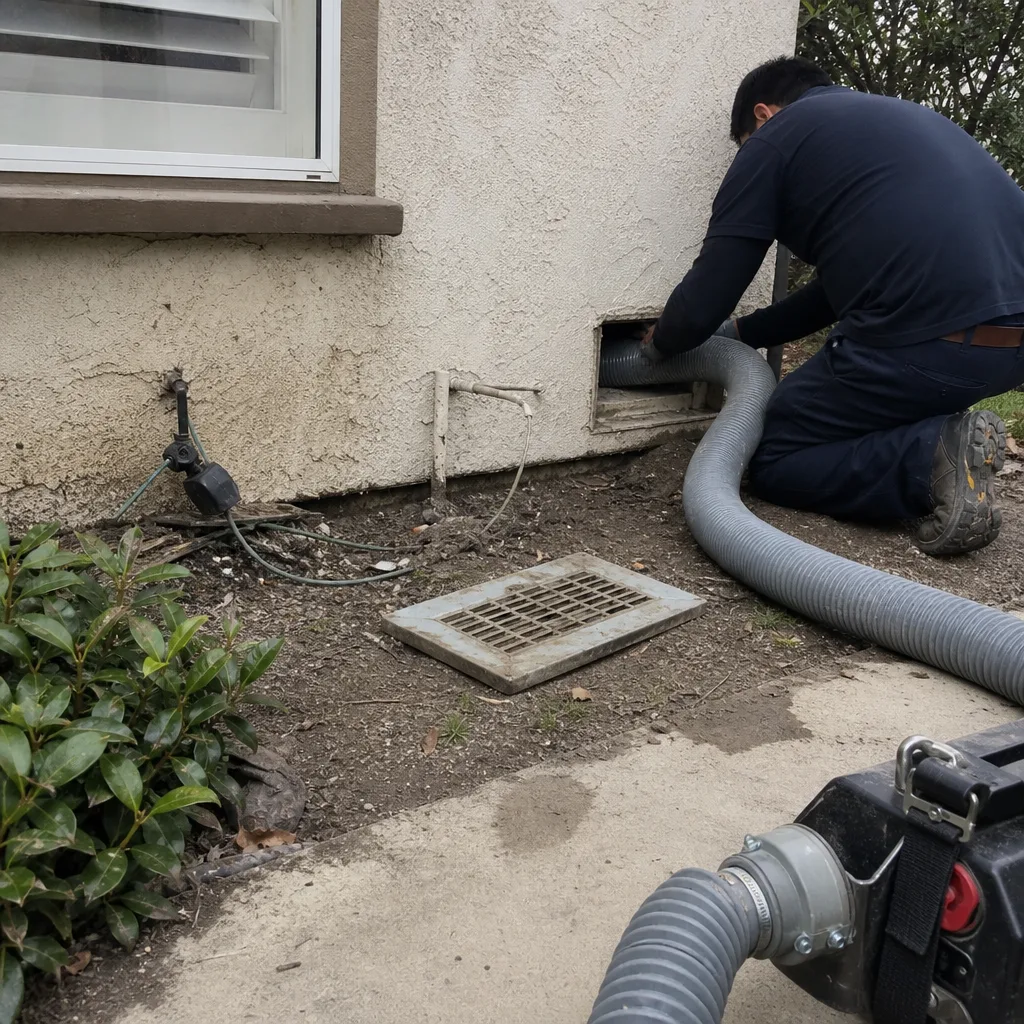 Before
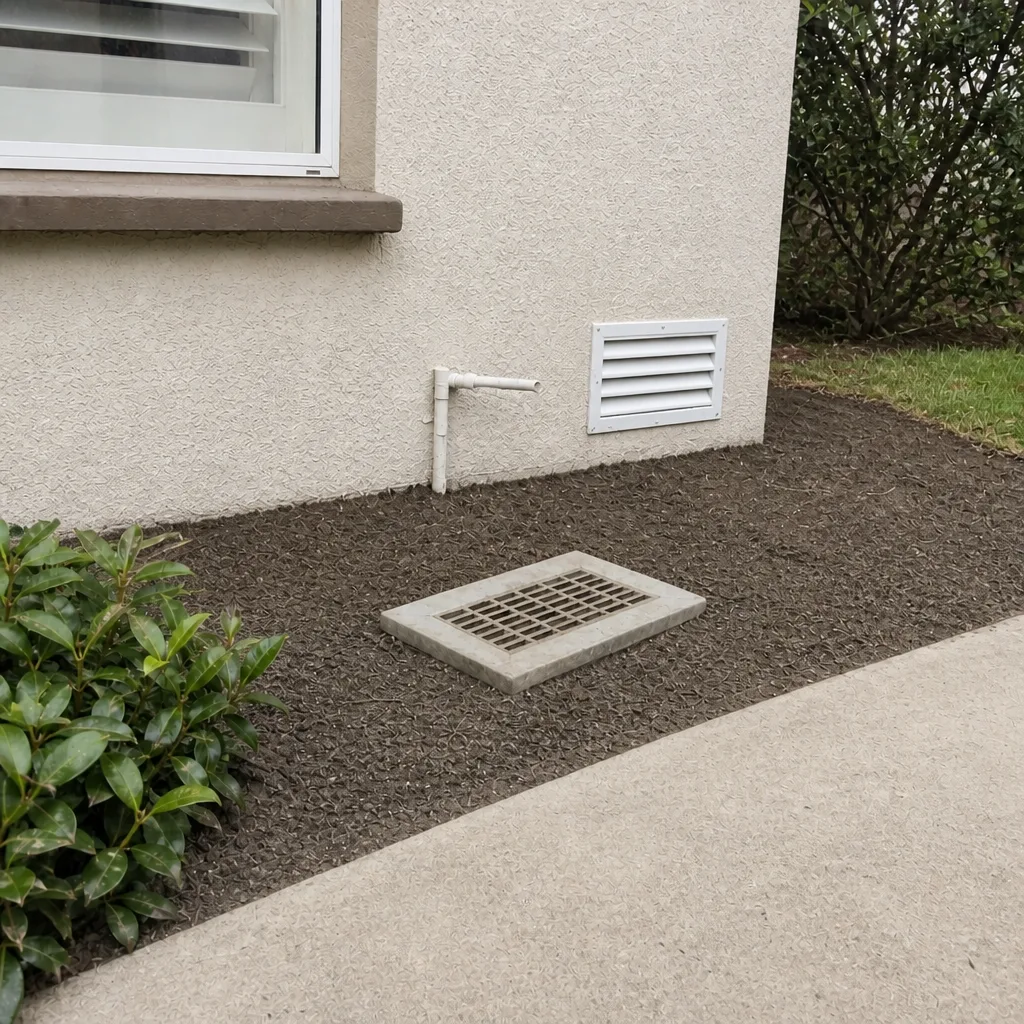 After
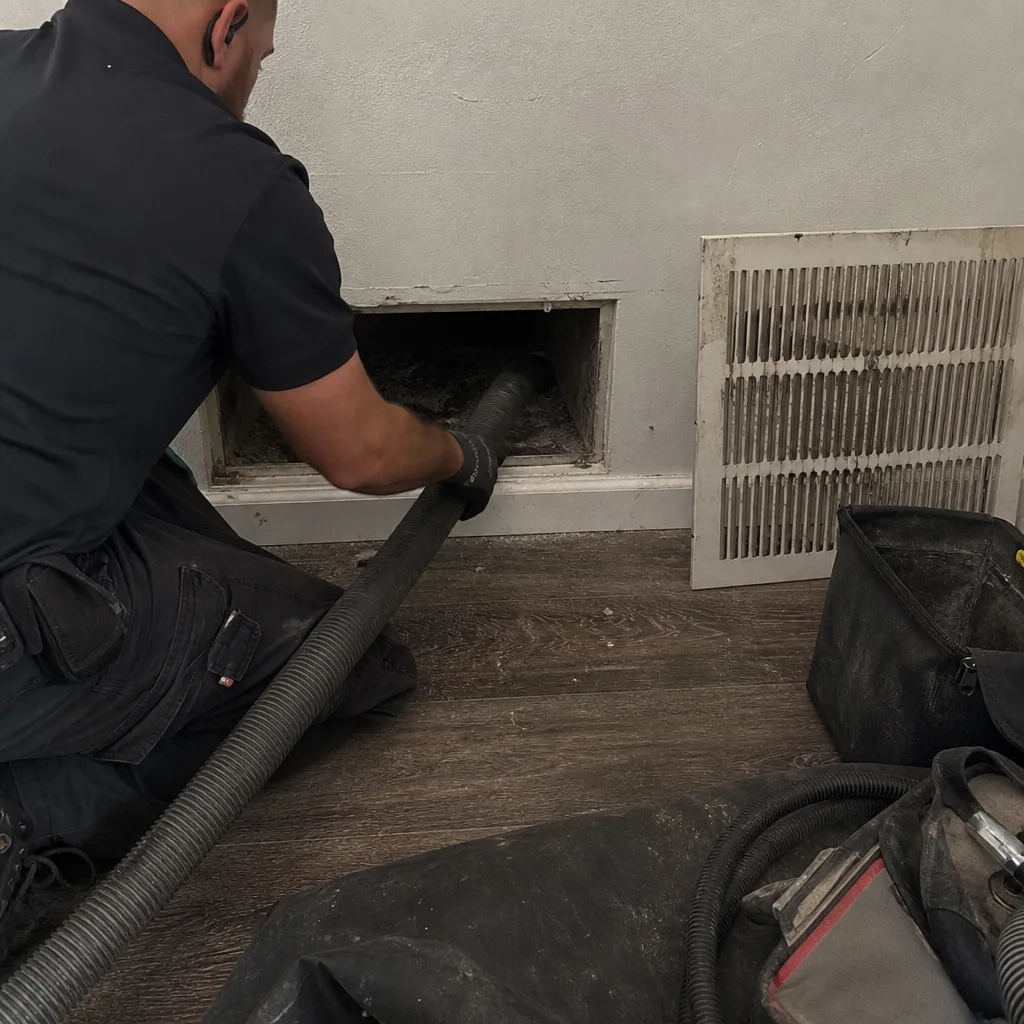 Before
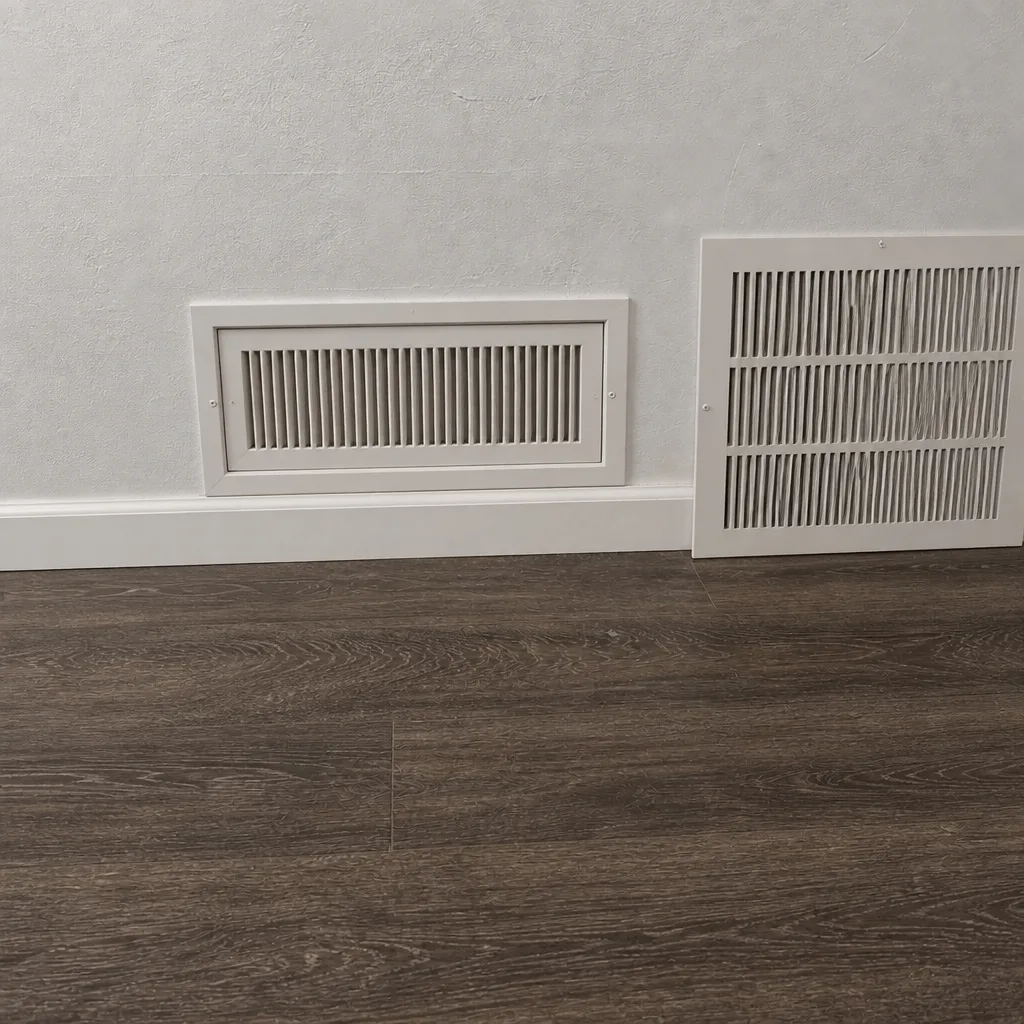 After
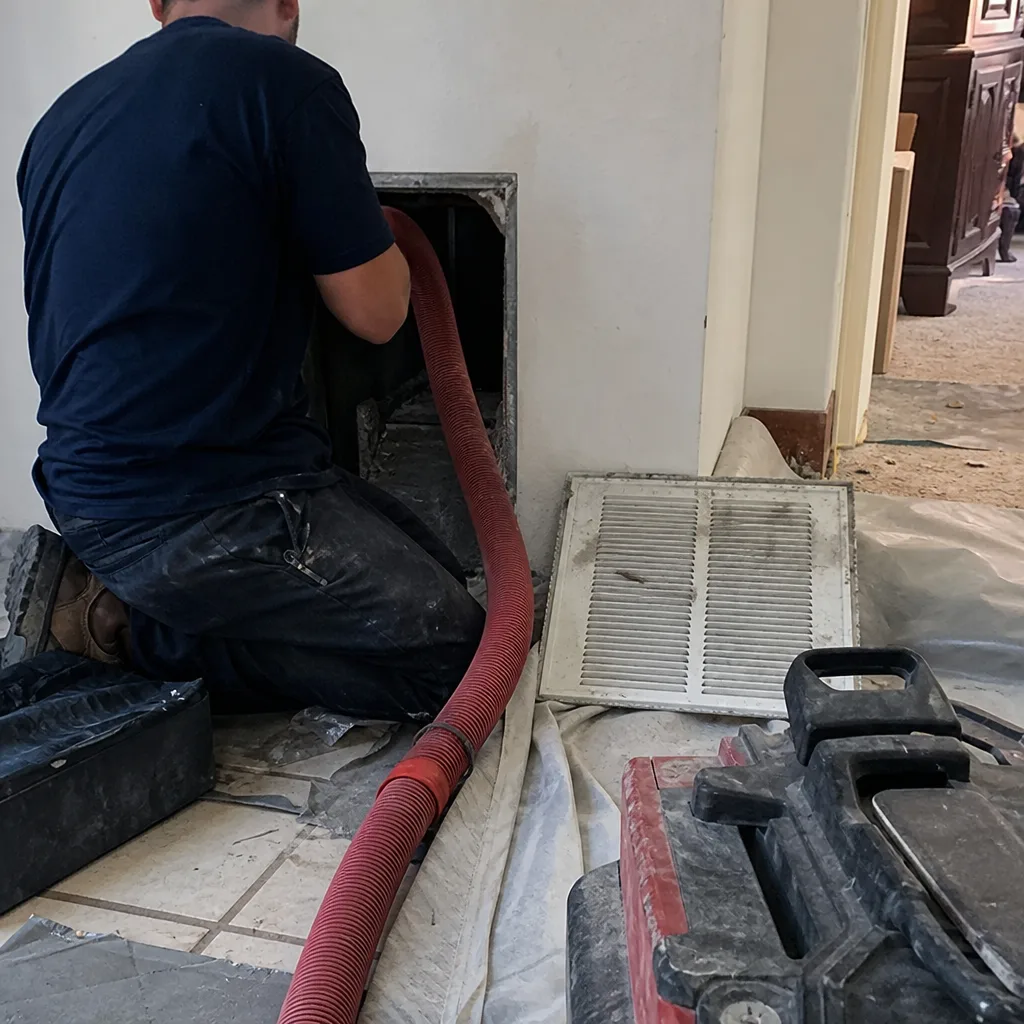 Before
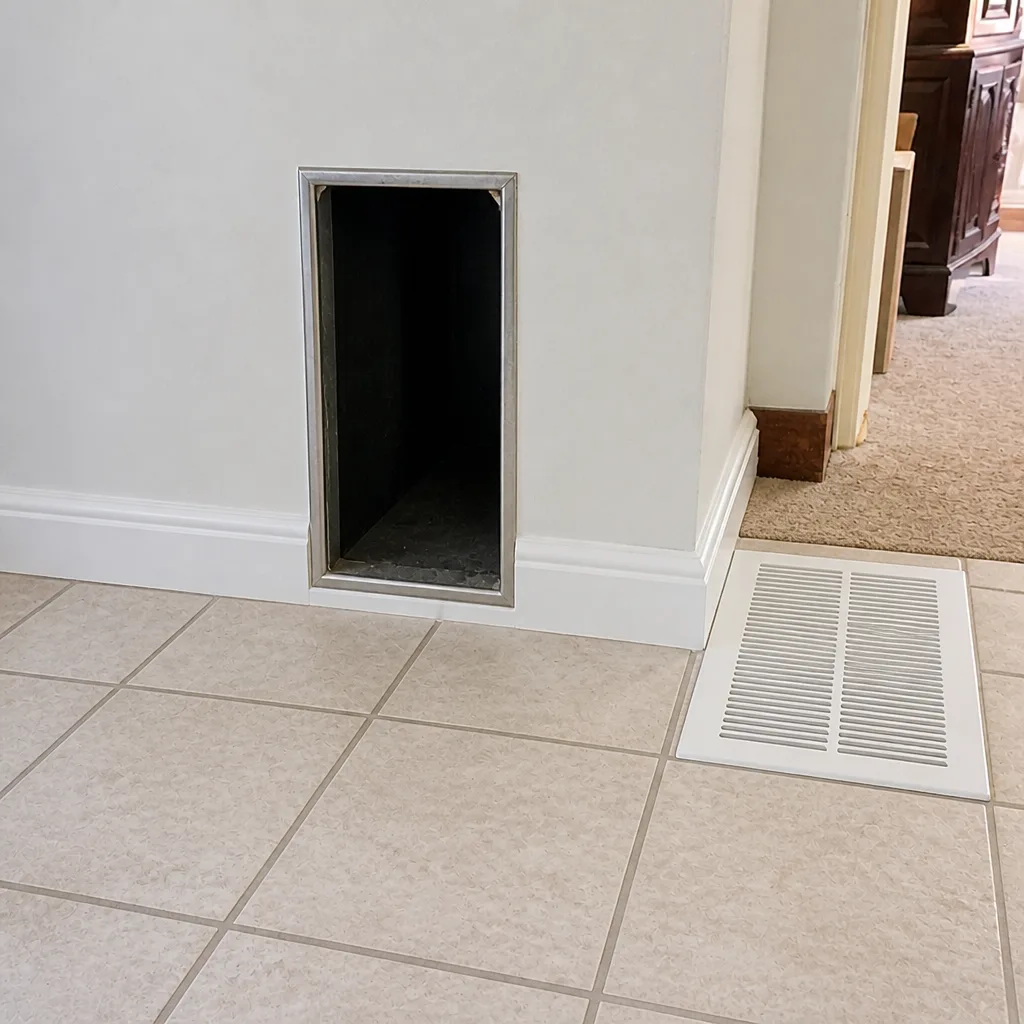 After
When to Call a Professional
Duct cleaning is not an annual ritual like changing smoke detector batteries. Most homes benefit from a professional cleaning every three to five years, but certain conditions justify moving that timeline up. Visible dust plumes from registers when the system starts. Family members with allergy or asthma symptoms that worsen indoors. A recent remodeling project that filled the home with drywall dust. New pet dander or a musty odor that returns after cleaning the coils. Ductwork that’s been in place for a decade or more in a home with no maintenance history. If any of these describe your home, it’s time to make the call. Duct Cleaning Aliso Viejo offers free estimates in Aliso Viejo. Call (833) 693-2761. We answer 24/7. Fast dispatch from 7am to 7pm, Sunday through Friday.
Frequently Asked Questions
A complete whole-system cleaning for a typical Aliso Viejo home generally runs $450 to $1,400, depending on square footage, system count, and duct accessibility. The final price is set by the written estimate after a walkthrough. Anyone quoting $79 for the same scope is not cleaning the same system. Call (833) 693-2761 for a free estimate with a defined scope.
Cheap quotes come from partial cleaning scopes. The contractor cleans a few visible runs near the registers, skips the return side and blower assembly, uses consumer-grade equipment, and is done in an hour. Whole-system pricing with professional equipment, containment, and documented results costs more because the work and the equipment cost more. If a price looks too good to be true, compare the scope line by line before you compare the dollar amount.
Ask for before-and-after photos of your actual ducts, a written summary of what was cleaned, and notes on any damage found. A legitimate contractor provides all three without being asked twice. If the post-job documentation never arrives, the work likely didn’t arrive either. Call (833) 693-2761 if you’d like to discuss our documentation process.
For most Aliso Viejo homes, every three to five years is a reasonable interval, with faster cycles for homes with heavy pet dander, recent renovation dust, or allergy-sensitive occupants. The interval is less important than the thoroughness of the job when it happens. One complete cleaning with documentation beats three cheap ones.
NADCA membership is a company-level commitment to industry standards. ASCS certification is an individual credential earned by passing a written exam on HVAC system science and cleaning methodology. A company can hold membership while sending uncertified technicians to your door. Ask specifically who on the crew holds ASCS certification before you book.
Yes, if you hire a company that offers repair as a core service. During the walkthrough and cleaning process, a technician with repair capability can spot disconnected runs, crushed flex duct, and leaking joints that a cleaning-only company would simply ignore. Duct Cleaning Aliso Viejo provides air duct cleaning and repair under one service relationship, so you get cleaner air and intact ductwork from a single call. Call (833) 693-2761 for a free estimate.
The Bottom Line
Hiring an air duct cleaning contractor in Aliso Viejo comes down to verification, equipment, and documentation. Verify the NADCA credentials before booking. Ask the equipment questions that expose who brought professional tools and who brought a shop vac. Demand whole-system flat pricing so the technician’s incentive is thoroughness, not speed. Structure the on-site walkthrough so you see the problem areas before you pay for the solution. And collect before-and-after photos and a written summary when the work is done. This process takes more effort than grabbing the cheapest flier, but it’s the difference between hiring a specialist and paying for a performance. In a city where indoor air quality matters as much as it does here, the extra questions are worth it.
Written by the team at Duct Cleaning Aliso Viejo, serving Aliso Viejo since 2016.