
Last updated November 4, 2026
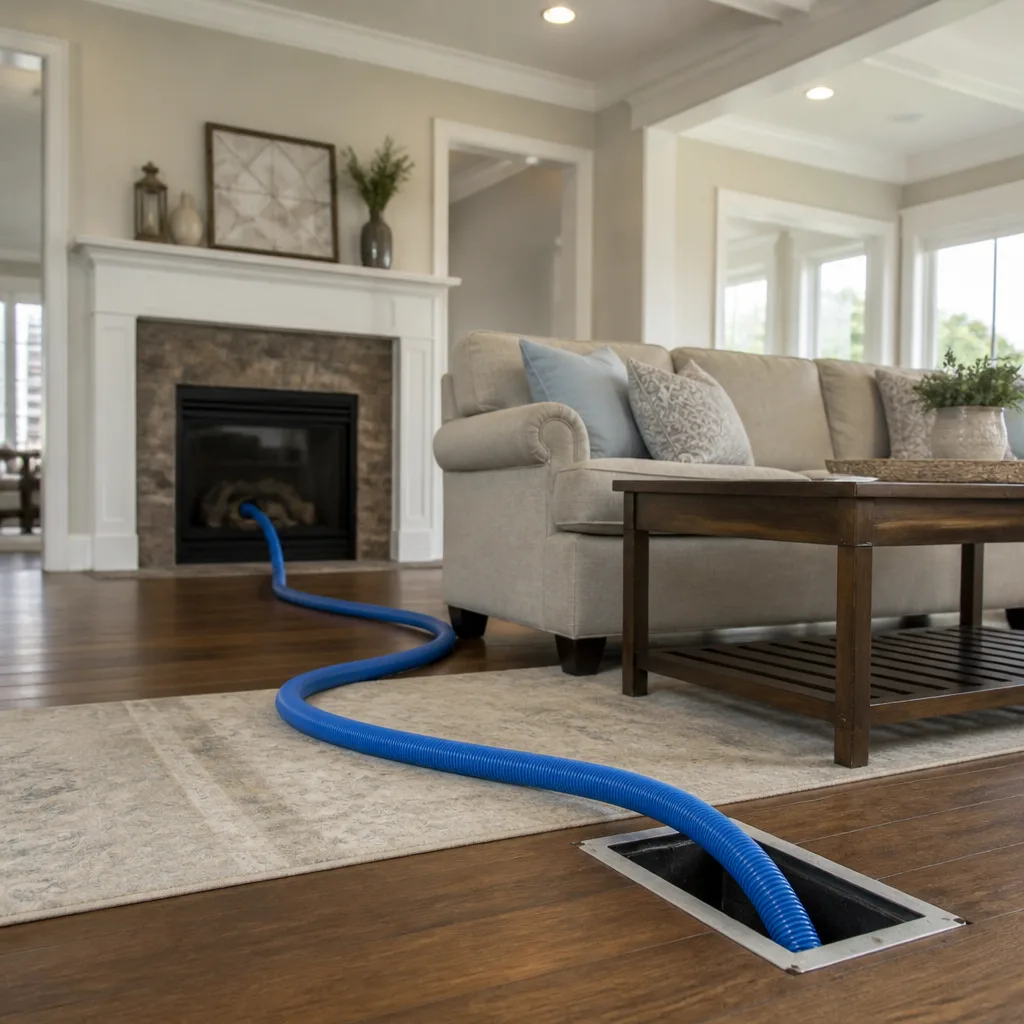 Whole-home duct cleaning
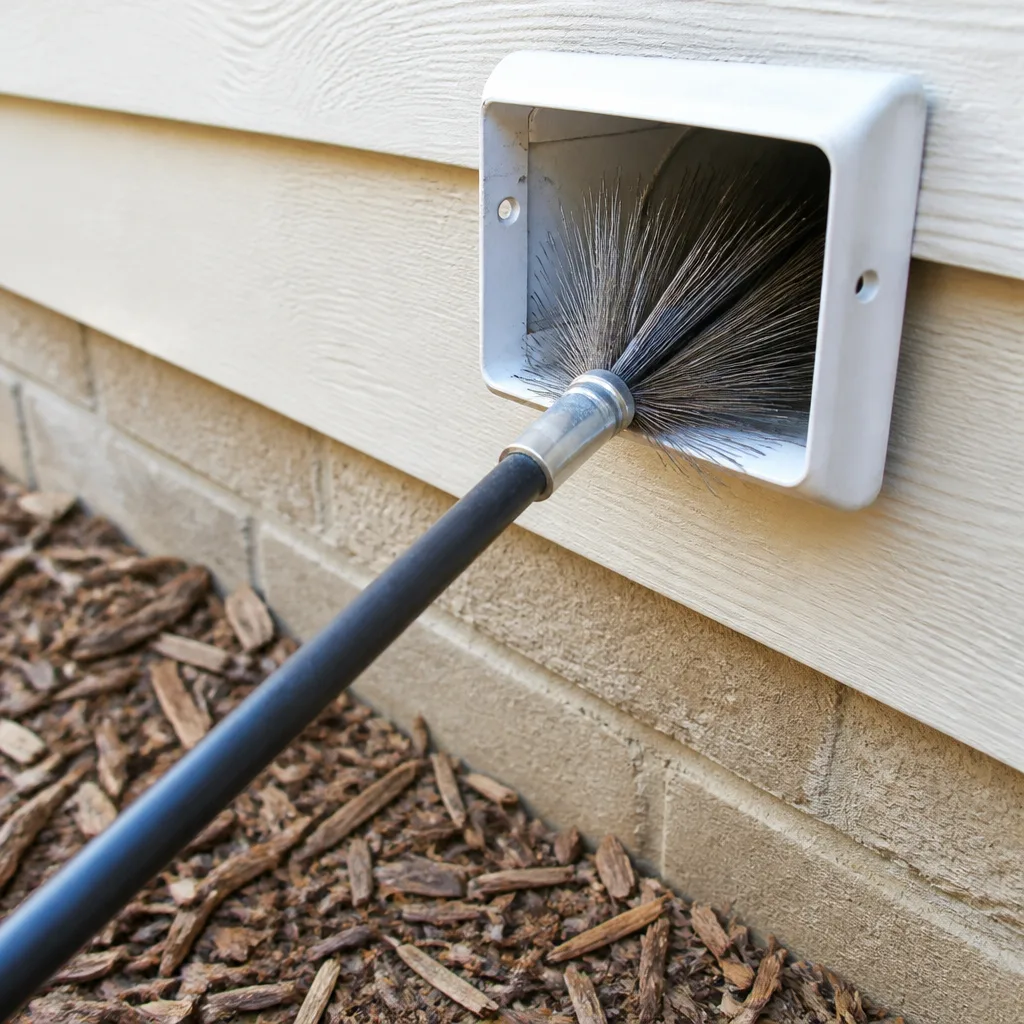 Dryer vent cleaning
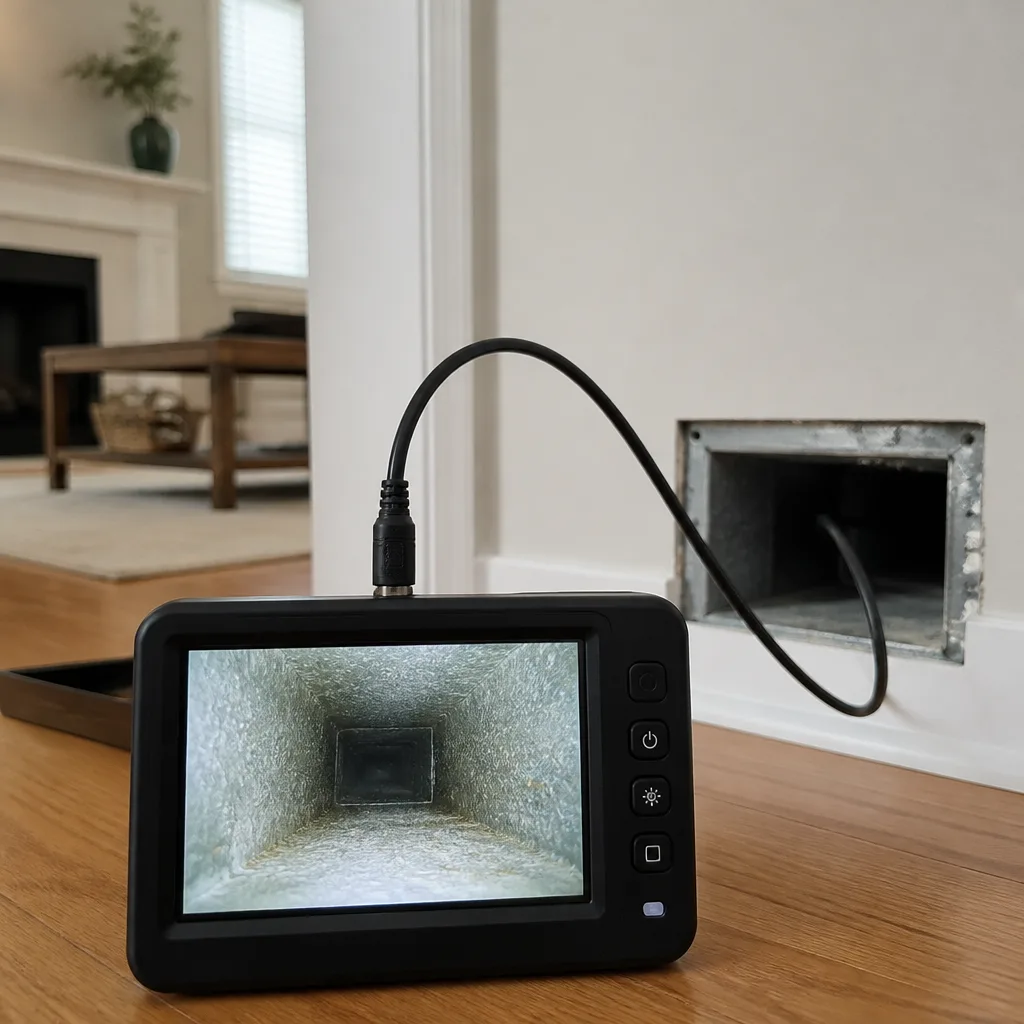 Camera inspection
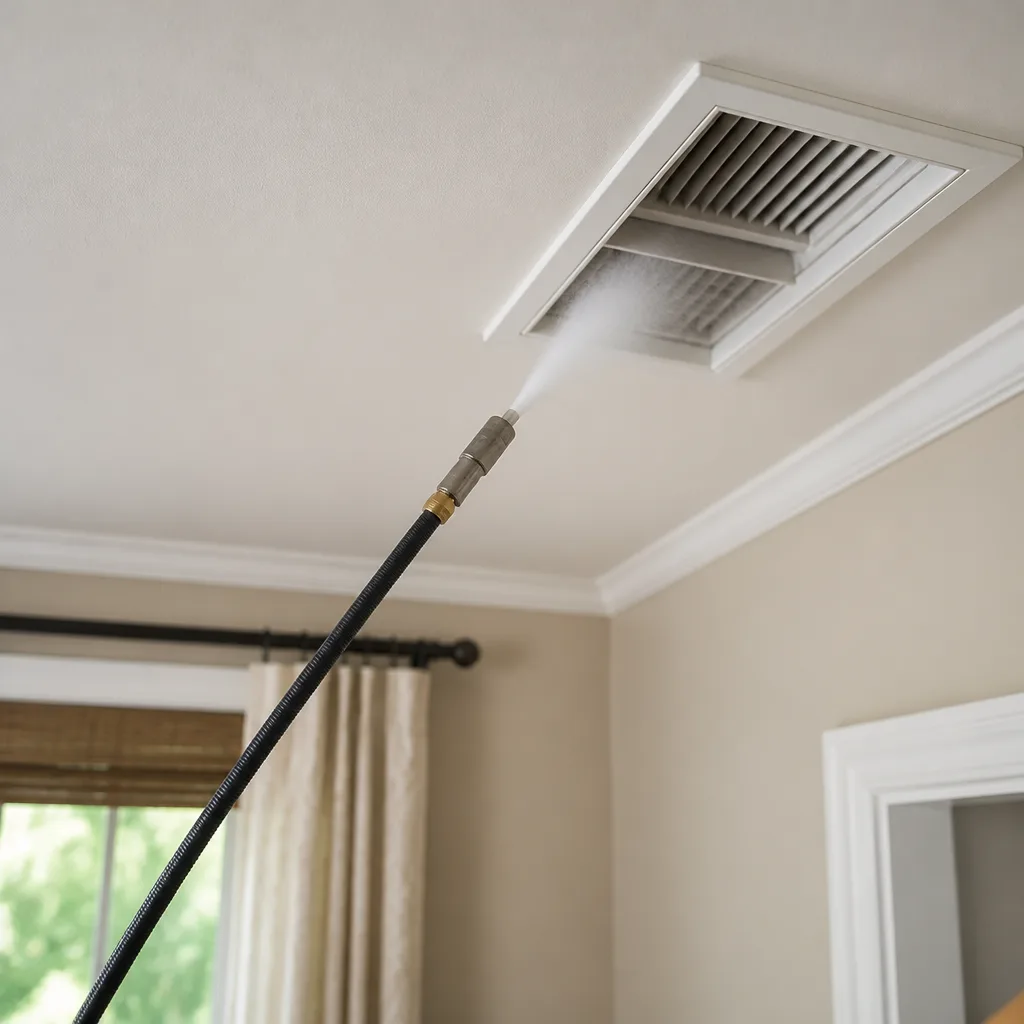 Sanitizing & deodorizing
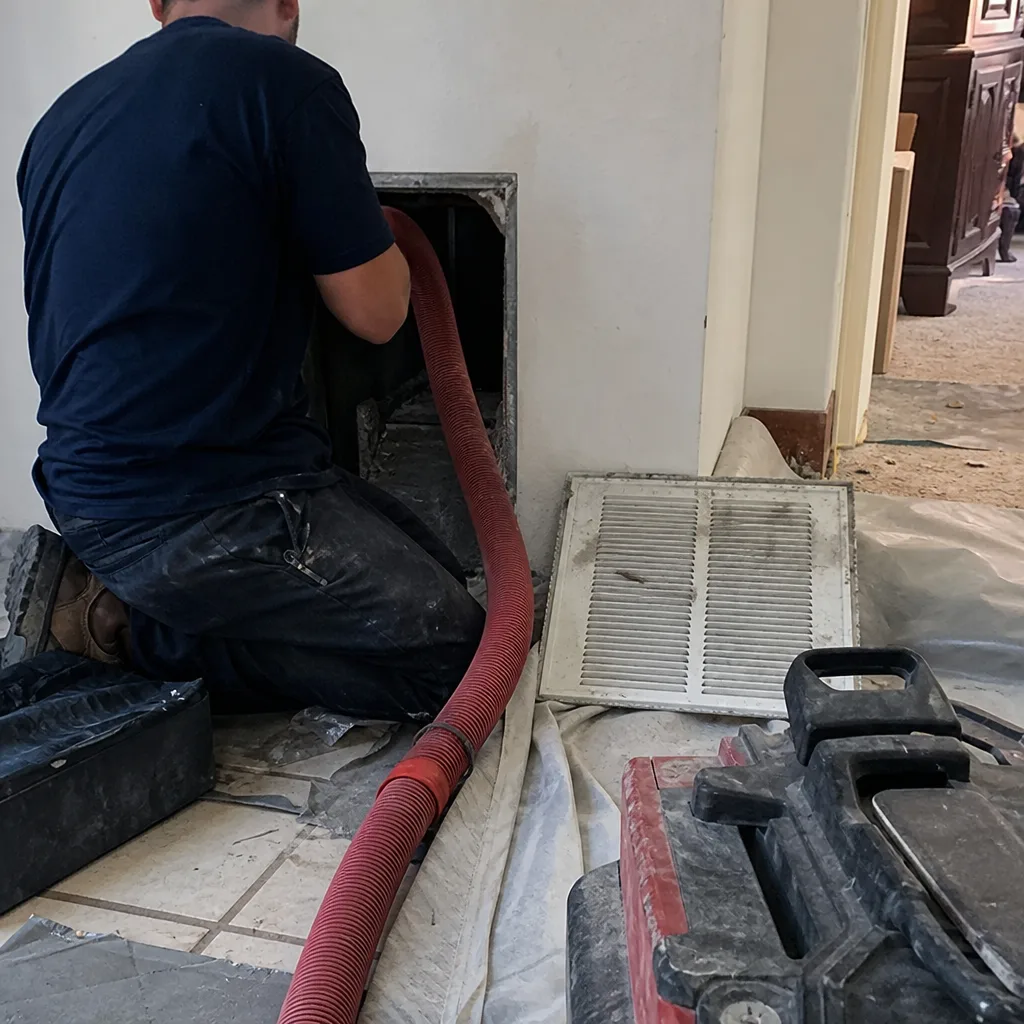
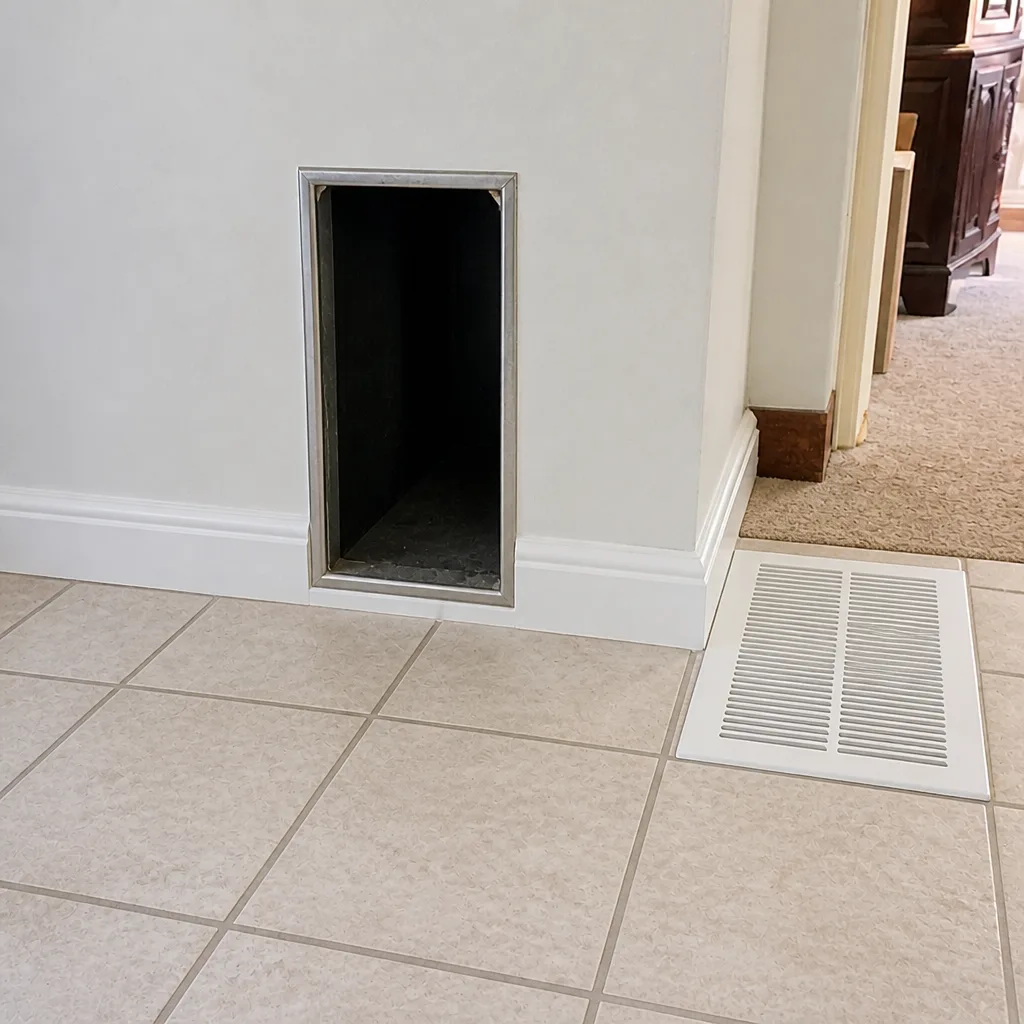
Whole-system duct and dryer vent check with before-and-after photos - you see exactly what came out of your vents
That "$99 whole-house special" is a bait ad - the real number appears once they are in your hallway, or the "clean" is a shop-vac at the register. We photograph the inside of your ducts before and after instead.
Air Duct Cleaning Permits, Codes & Inspections in Aliso Viejo, CA: What You Need to Know
If a duct cleaning company patches a disconnected trunk line, replaces a damaged plenum section, or installs new dampers during your service call, California’s residential mechanical code may require a permit for that work. Most Aliso Viejo homeowners have no idea where that line sits, and the distinction matters more than people assume. This guide walks through exactly which parts of a duct service fall under cleaning scope (no permit) and which cross into repair or replacement territory (permit likely), plus how Orange County and Aliso Viejo enforce the rules, what Civil Code 1102 means at resale, and how to protect yourself with a written scope separation before anyone starts work.
Quick Answer
Air duct cleaning alone does not require a permit anywhere in California, including Aliso Viejo. What triggers a permit is duct repair, replacement, or modification that changes the mechanical system, under the California Mechanical Code (CMC) and local Aliso Viejo enforcement. The practical rule: cleaning is unregulated, repair is regulated, and a written scope from your contractor is the only way to know which one you’re actually getting.
Styles & brands we work with
- Whole-home duct cleaning
- Dryer vent cleaning
- Camera inspection
- Sanitizing & deodorizing
Table of Contents
- Cleaning vs. Repair: Where the Permit Line Falls
- California Mechanical Code Sections That Apply to Duct Work
- Aliso Viejo and Orange County Permit Thresholds
- The HERS Rater Role in Duct Sealing Compliance Projects
- Unpermitted Duct Work and California Home Sale Disclosure
- How to Ask for a Written Scope Separation
- What an Inspection Actually Looks Like for Duct Repair
- What Duct Repair Permits Cost in Aliso Viejo
Cleaning vs. Repair: Where the Permit Line Falls
Here is the regulatory line in plain terms. Cleaning means removing accumulated dust, debris, and microbial growth from the interior surfaces of existing ductwork using mechanical agitation and negative-air extraction. No building department in California considers that construction. Repair means restoring or replacing any component of the duct system: patching a torn flex duct, replacing a crushed trunk section, installing new dampers, replacing a plenum, or reconnecting a separated boot. That is mechanical work under the California Mechanical Code, and it can require a permit.
Why does the distinction matter for Aliso Viejo homeowners? Because reputable air duct cleaning companies routinely find damage during a cleaning visit. A disconnected return duct in an attic. A crushed flex run. A rusted plenum. The contractor then faces a choice: hand you a report and stop, or offer to fix the issue on the spot. The second path is where permits enter the conversation, and a contractor who quietly does the repair without mentioning permits is creating a future disclosure problem for you.
In our experience, most homeowners understand the cleaning side intuitively. The confusion sits in the middle zone: work that looks minor but legally constitutes mechanical modification. Sealing a duct joint with mastic is maintenance. Replacing six feet of duct because it collapsed is repair. The size of the job does not decide the permit requirement; the nature of the work does.
Aliso Viejo homes reflect the broader Orange County housing stock: a mix of 1990s and early-2000s tract construction with flex duct in attics, plus newer hillside builds with more complex mechanical layouts. Attic-installed duct systems age differently depending on exposure, and damage discovered during a cleaning is common enough that every homeowner should know this line before scheduling service.
California Mechanical Code Sections That Apply to Duct Work
The California Mechanical Code, which is Title 24, Part 4 of the California Code of Regulations, governs duct systems in residential construction. Permits are required under Section 103.0 of the CMC for mechanical work that involves installing, altering, or reconstructing air distribution systems. Cleaning does not meet that definition. Replacing duct sections, installing new dampers, modifying plenums, or adding new supply or return runs does.
The relevant sections break down this way:
- CMC Section 103.0 (Permits Required): Establishes that mechanical work requires a permit unless specifically exempted. Duct replacement and modification fall under permit-required work.
- CMC Chapter 6 (Duct Systems): Sets construction standards for duct materials, sizing, sealing, insulation, and installation. Any replacement work must meet current code, which can trigger upgrades beyond the original installation.
- CMC Section 601.2 (Air Movement in Corridors): Applies mostly to multi-family and conditioned corridors, but relevant for some Aliso Viejo condo and townhome projects.
- CMC Section 603.0 (Duct Construction and Installation): Covers acceptable materials, joint standards, and support. This is the section an inspector checks after a repair.
Here is what this means practically. A contractor who replaces a damaged duct section must install it to current CMC standards, not the standard in place when the home was built. That can mean insulated flex duct with specific R-value requirements, mastic-sealed joints rather than tape, and proper support intervals. The inspector verifies those details. A contractor doing unpermitted work has no third-party check on any of it, which is the core reason permits exist in the first place.
The code also addresses duct leakage standards indirectly through the state’s Building Energy Efficiency Standards, which is where the HERS rater comes in. More on that below.
Aliso Viejo and Orange County Permit Thresholds
Aliso Viejo is an incorporated city in Orange County that issues its own building permits through its Building and Safety Division. The city follows the California Mechanical Code as adopted by the state, but local ordinance and administrative policy determine threshold details: what requires a permit, what qualifies as ordinary repair, and what fees apply.
The general rule under both state code and Aliso Viejo practice is that replacement of existing duct sections, installation of new dampers, and modification of plenums require a mechanical permit. Ordinary repair, defined broadly as restoring something to its original condition without changing its function, performance, or configuration, typically does not. Re-securing a loose duct support or applying mastic to a small joint falls under ordinary repair. Replacing a ten-foot section of crushed trunk duct does not.
What specifically crosses the threshold in Aliso Viejo:
- Air distribution system replacement or extension: Any new duct run, even a short one, triggers a permit.
- Plenum replacement or modification: The plenum is the box connecting your air handler to the duct runs. Changing its dimensions or material is mechanical work.
- Damper installation: Adding zone dampers or replacement dampers changes system airflow design.
- Trunk or branch duct replacement: Replacing any portion of the trunk line or a branch run, regardless of length, is permit-required.
- Duct sealing performed as part of HERS-verified compliance work: This is a compliance project with verification requirements, discussed below.
What stays on the cleaning side: source removal cleaning of existing duct surfaces, sanitizing or applying Guardsman protective treatments as a post-cleaning finish, and applying mastic to small accessible joint leaks as a maintenance measure. The city’s building department is the authority for interpretation, and Aliso Viejo homeowners can call directly to ask about a specific proposed scope. We recommend doing exactly that if you are unsure.
One point worth stating clearly: unincorporated parts of Orange County fall under county jurisdiction, but Aliso Viejo is incorporated and self-permits. Many online guides gloss over this distinction. It matters because permit fees, processing times, and inspection scheduling differ between the county and the city.
The HERS Rater Role in Duct Sealing Compliance Projects
Here is a piece of the puzzle most Duct Cleaning Aliso Viejo homeowners never hear about: when duct sealing is performed as part of an energy compliance project in California, the work often needs verification by a certified HERS rater. HERS stands for Home Energy Rating System, and these raters are independent third-party verifiers trained and certified by an approved HERS provider under the California Energy Commission.
This arises in specific scenarios. If a homeowner replaces a central air conditioner or heat pump, California’s Building Energy Efficiency Standards may require duct sealing and HERS verification as part of the permit. If an energy upgrade is performed under a utility incentive program, duct leakage testing by a HERS rater may be a condition. If a home sale includes energy compliance work tied to a retrofit, the HERS rater documents that the duct sealing actually reduced leakage to code thresholds.
The HERS rater does not perform the sealing. A licensed contractor does that. The rater then measures duct leakage with a duct blaster or similar diagnostic tool and submits the verified results to the building department or program administrator. This is a compliance pathway separate from routine cleaning, but it intersects with duct work in ways that matter. A duct repair that also involves sealing an entire system for energy compliance now has a third-party verification step, which is a good thing for the homeowner because it adds independent quality control.
For regular air duct cleaning and minor repair work, a HERS rater is not involved. Aliso Viejo homeowners only encounter this pathway when an energy compliance project triggers it. The takeaway is that California treats duct sealing as energy work with measurable outcomes, not just a maintenance task, which reinforces the permit logic above.
Unpermitted Duct Work and California Home Sale Disclosure
California Civil Code Section 1102 requires home sellers to disclose material facts about the property, including unpermitted work, to prospective buyers through the Real Estate Transfer Disclosure Statement and related forms. Here is what that means for duct work.
If a contractor replaces a duct section without a permit, and you later sell the home, that unpermitted modification is a material fact that must be disclosed. Failure to disclose creates legal exposure. Even if the work was done well, the lack of a permit is itself the disclosure issue. Buyers routinely ask about unpermitted work, and California real estate agents are trained to flag anything that looks like modification without permits. An attic full of new flex duct with no permit history can surface during due diligence.
The practical consequences range from delayed escrow while permits are retroactively pulled, to buyer requests for repair credits, to liability after close of sale if the undisclosed work causes a system failure. Retroactive permitting is possible in many cases, but it involves opening up what was already done, paying permit fees including any late penalties, and bringing the work into compliance with current code. That is more expensive than doing the permit correctly up front.
For an Aliso Viejo homeowner, this is not a hypothetical. The city has a substantial resale market, and buyers in Orange County increasingly order pre-purchase inspections that include HVAC and duct review. An inspector who sees recent duct modifications with no corresponding permit will note it. That note lands in the disclosure conversation.
The simplest protection: if your duct cleaning service identifies needed repairs, ask the contractor to pull the permit before the repair work begins. A contractor who resists that request is telling you something important about how they operate.
How to Ask for a Written Scope Separation
This is the most practical section of this guide because it protects you at the moment of decision. When a cleaning contractor identifies repair needs, ask for a written scope separation before authorizing any repair work. Here is how that process works:
- Ask for the cleaning scope in writing. Request a line-item description of the cleaning work: access cuts, mechanical agitation, negative-air extraction, sanitizing, and the Nikro or Rotobrush equipment used. This establishes the no-permit baseline.
- Ask for a separate repair proposal. If repairs are recommended, they should be itemized separately from the cleaning. The written repair proposal should state what will be done, what materials will be used, and whether a permit is included.
- Ask the direct permit question. “Does any part of this proposed work require a building permit under the California Mechanical Code or Aliso Viejo’s local amendments?” Get the answer in writing. A legitimate contractor will answer directly.
- Verify independently if the answer seems thin. Call Aliso Viejo Building and Safety with the proposed repair scope and ask if it triggers a permit. City staff can give a preliminary answer over the phone.
- Agree on who pulls the permit. In California, the property owner can pull a permit, but a licensed contractor doing the work typically handles it. The permit should be in place before the repair begins.
- Keep the paperwork. Store the cleaning scope, the repair proposal, the permit, and the final inspection sign-off together. This package becomes your documentation for future resale disclosure.
Some Aliso Viejo homes have original duct systems that have never been repaired, which means a cleaning visit may be the first time anyone has looked inside. The written scope separation turns a surprise finding into a clear decision point: clean now, repair later with permits, or combine both on an informed basis. That is the position you want to be in.
What an Inspection Actually Looks Like for Duct Repair
If duct repair work in Aliso Viejo does require a permit, the city schedules an inspection after the work is complete. Here is the sequence a homeowner in Aliso Viejo can expect:
- Permit application and plan review. The contractor submits a basic description of the repair scope. For simple duct replacement, this is a straightforward mechanical permit, not a full plan review. Fees apply.
- Repair work performed. The contractor completes the duct replacement or modification to current CMC standards.
- Rough inspection (if applicable). In some cases, the city inspects duct work before it is covered by insulation or drywall. This is called a rough inspection. If the duct is in an accessible attic, the inspector may see it directly.
- Final inspection. The inspector visually verifies the duct work, checks joint sealing, support spacing, insulation if required, and system operation. If the work passes, the permit is signed off.
- Documentation. The signed permit becomes part of the property record. Keep the final inspection card.
The inspection is not adversarial. City inspectors in Orange County see a lot of duct work, and their role is enforcing code compliance, not making life difficult. A contractor who does clean work to code will pass. One who cut corners will not, and that is the entire point.
If the repair includes sealing that is part of an energy compliance project, the HERS rater may be part of the documentation package instead of, or in addition to, the city inspection. The building department will specify what is needed when the permit is issued.
What Duct Repair Permits Cost in Aliso Viejo
Permit fees in Aliso Viejo are valuation-based, meaning the fee scales with the estimated cost of the mechanical work. The city publishes a fee schedule, and a mechanical permit for a small duct repair typically falls in a modest range relative to the total project. Exact figures change with the city’s master fee schedule updates, so we will not quote a specific number here. The right approach is to ask the contractor to include the permit fee as a line item in the repair proposal, or call the city directly for the current mechanical permit fee for your proposed scope.
What we can say from working in this market: the permit fee is a small fraction of the total repair cost, and it buys third-party verification that the work meets code. That verification becomes the documentation you rely on later for resale disclosure. Paying a small fee up front to avoid a larger problem at sale is a straightforward trade when you frame it correctly.
The same logic applies to dryer vent cleaning and repair. Cleaning a dryer vent is unpermitted maintenance. Replacing a damaged vent run, re-routing a vent, or installing a new termination through a wall or roof can trigger permit requirements depending on scope. The cleaning-versus-repair line applies across the board.
Common Mistakes to Avoid
- Assuming everything done during a cleaning visit is covered by the cleaning service. If repairs creep into the scope without written documentation, you may end up with unpermitted mechanical work. Ask for the scope separation before work starts.
- Treating all duct sealing as identical. A small mastic patch is maintenance. Whole-system duct sealing tied to an energy compliance project is permitted work with HERS verification. Know which one you are getting.
- Ignoring the disclosure requirement at resale. Unpermitted duct modification is a material fact under Civil Code 1102. Disclosure is not optional, and the failure to disclose creates liability.
- Pulling permits for the wrong party. If a contractor performs the repair, the permit should reflect that arrangement properly. An owner-builder permit used to cover contractor work creates a different set of legal problems.
- Not keeping the paper trail. The final inspection sign-off is your proof of compliant work. Lose it, and you are back to explaining unpermitted work at sale time.
- Choosing a cleaner based on price alone and skipping the permit question entirely. The lowest bid often skips permits. Ask the permit question during the estimate, in writing.
See the difference
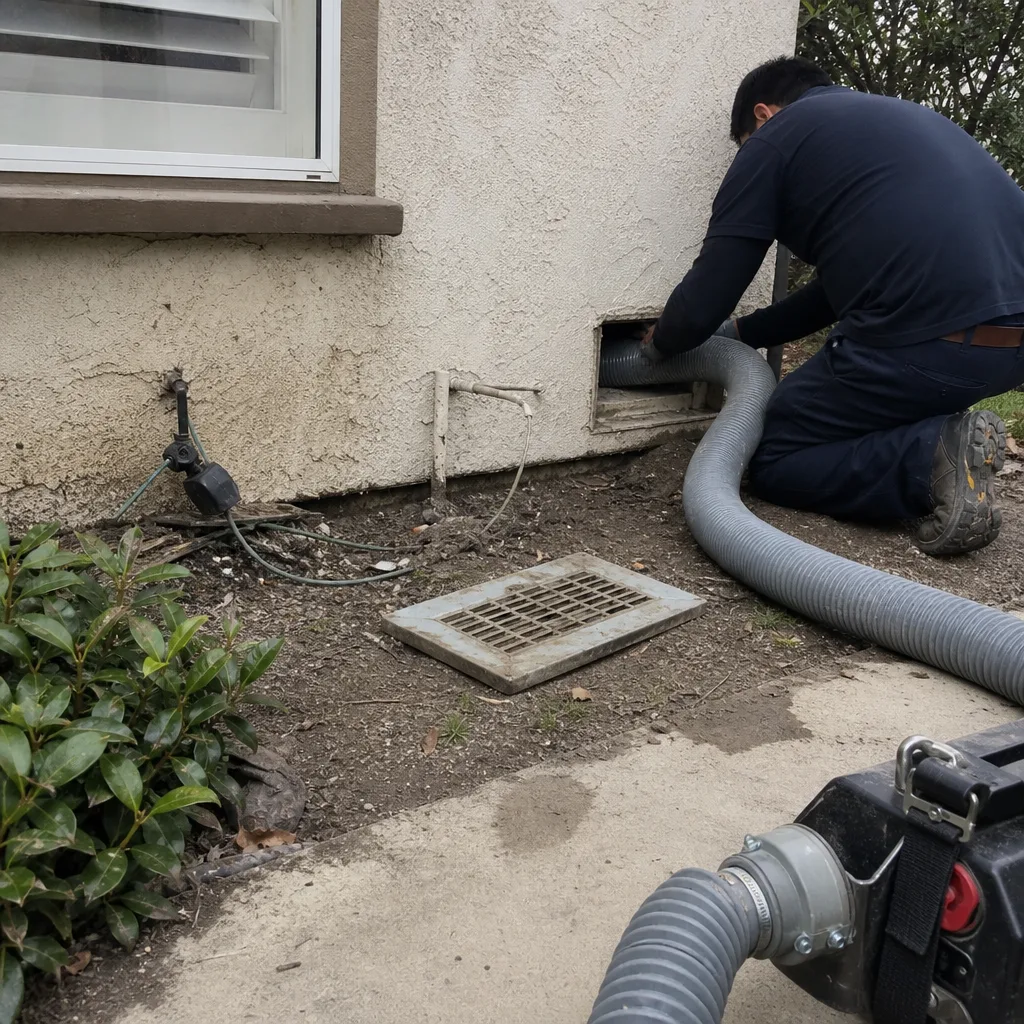 Before
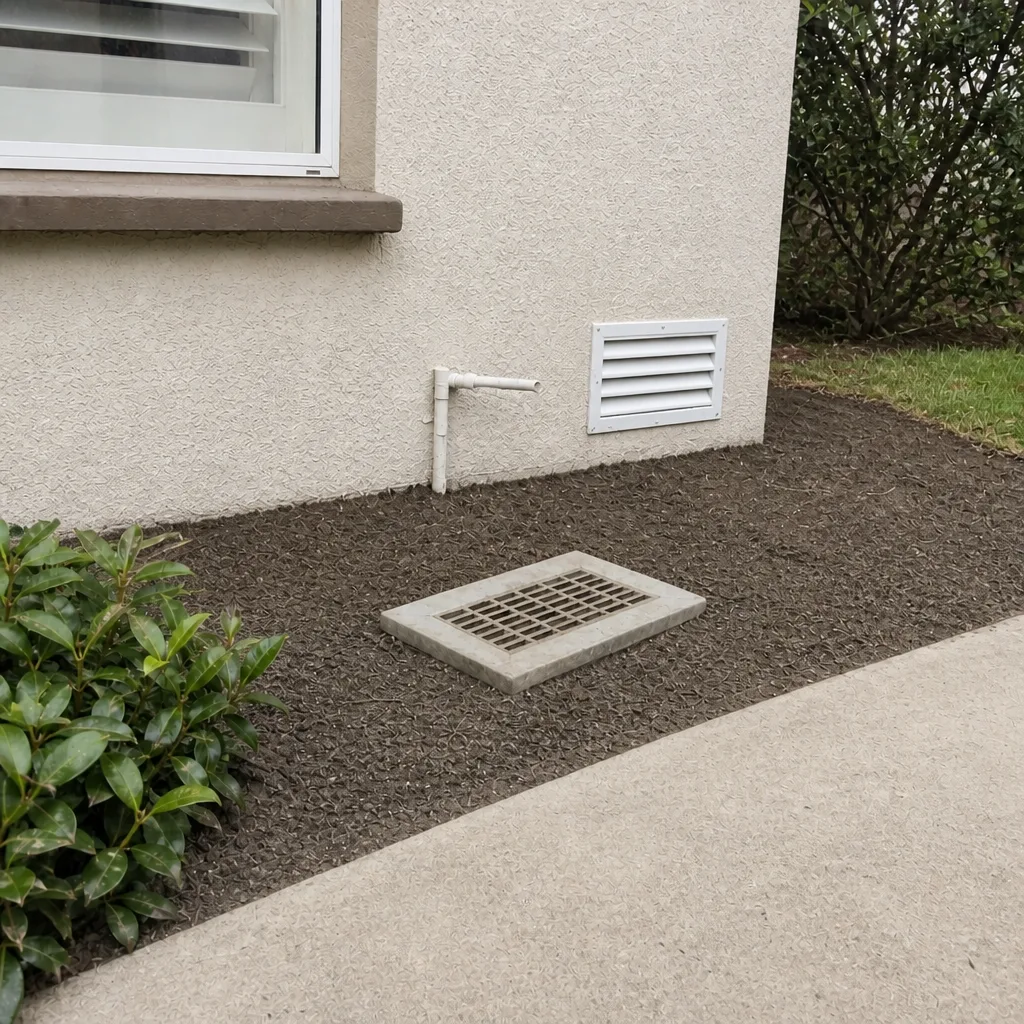 After
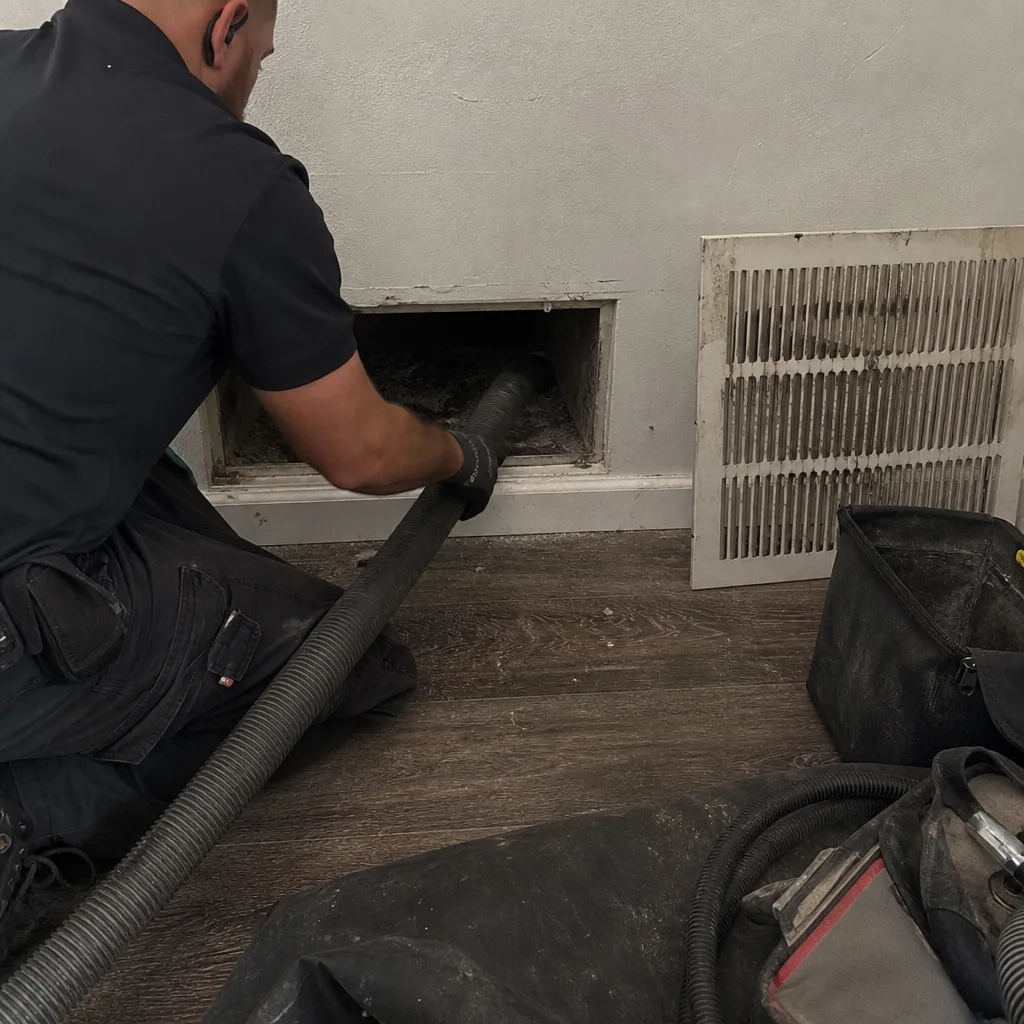 Before
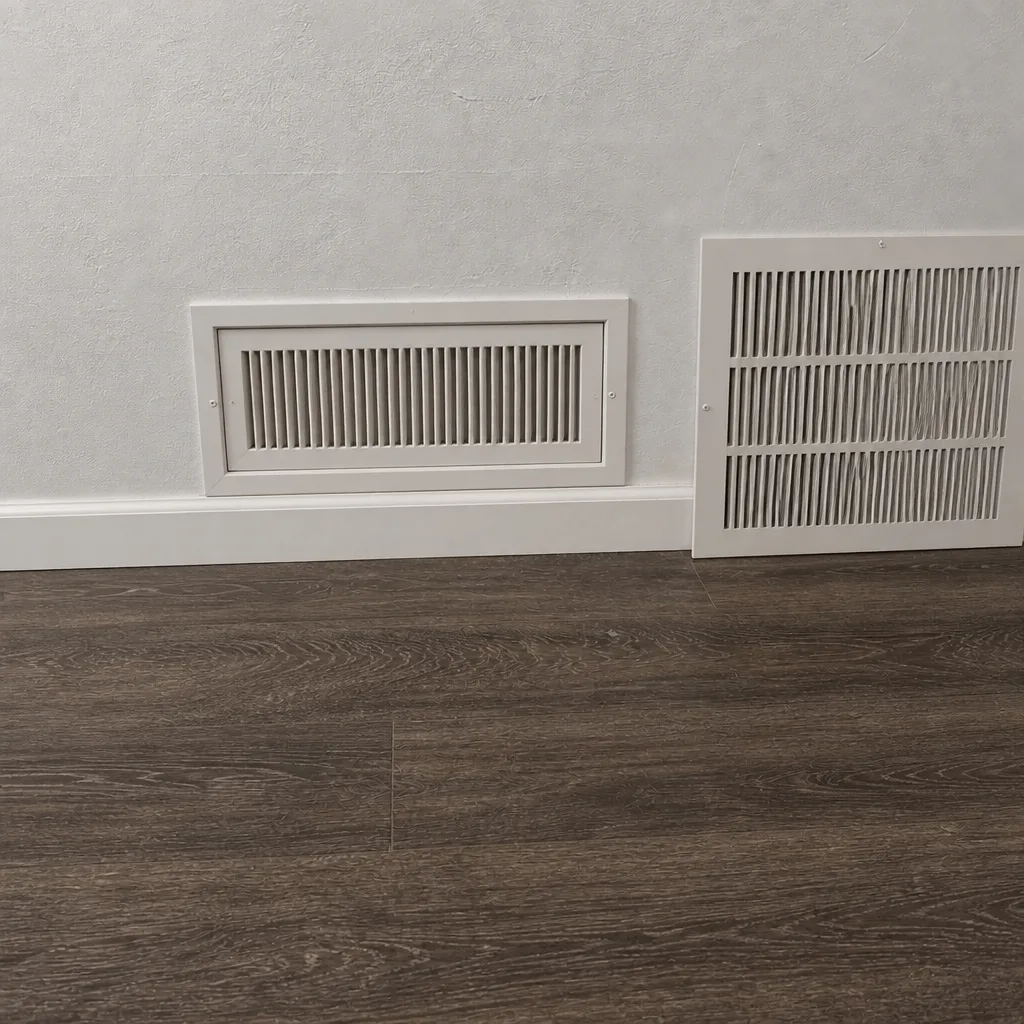 After
 Before
 After
When to Call a Professional
Call a professional when a cleaning service identifies duct damage during the visit and you are not certain whether the proposed repair crosses the permit line. Call when you are selling a home in Aliso Viejo and know there is prior duct work with no permit history. Call when your HVAC system has been modified over the years and you want a clear picture of what is compliant and what is not. And call when you simply want a cleaning-only scope documented in writing so there is no ambiguity about what was done. Duct Cleaning Aliso Viejo offers free estimates in Aliso Viejo, and we answer questions about scope separation directly. Call (833) 693-2761. We answer 24/7. Fast dispatch from 7am to 7pm, Sunday through Friday.
Frequently Asked Questions
No. Air duct cleaning is a maintenance service that removes accumulated dust and debris from existing duct surfaces, and no California permit is required for cleaning-only scope. What requires a permit is duct repair, replacement, or modification that changes the mechanical system.
Replacing duct sections, modifying or replacing plenums, installing new dampers, extending duct runs, and sealing duct systems as part of a code compliance project all typically require a mechanical permit. Small mastic patches and re-securing supports are usually considered ordinary repair and do not.
Ask for a written scope separation before work begins. If the cleaning scope and any proposed repair scope are not itemized separately, insist they be. Ask directly whether any proposed work requires a permit under the California Mechanical Code, and get the answer in writing.
A HERS rater is a certified independent verifier who measures duct leakage and confirms sealing performance when duct work is part of an energy compliance project in California. You encounter a HERS rater when replacing HVAC equipment triggers duct sealing requirements, or when an energy upgrade program mandates third-party verification. Routine cleaning does not involve a HERS rater.
Yes. California Civil Code 1102 requires disclosure of unpermitted work on the Real Estate Transfer Disclosure Statement. Undisclosed unpermitted duct modification creates legal exposure, can delay escrow, and can lead to repair credits demanded by buyers.
Mechanical permit fees are valuation-based and set by the city’s master fee schedule. The permit fee is typically a modest portion of the total repair cost. Contact Aliso Viejo Building and Safety for the current fee for your proposed scope, or ask your contractor to itemize the permit fee in the written repair proposal.
The Bottom Line
The permit line in Aliso Viejo is cleaner than most people assume: cleaning needs no permit, repair usually does, and the distinction turns on what actually gets done to the duct system. Written scope separation is the simplest tool a homeowner has for staying on the right side of that line. When repair work is needed, pulling the proper mechanical permit buys independent inspection, code compliance documentation, and clean resale disclosure under Civil Code 1102. And when sealing becomes part of an energy compliance project, the HERS rater adds third-party verification. The cost of doing it right is small relative to the cost of explaining unpermitted work at closing. For homeowners in Aliso Viejo, the rule is simple: clean freely, repair carefully, and document everything.
Written by the team at Duct Cleaning Aliso Viejo, serving Aliso Viejo since 2016.