
Last updated November 4, 2026
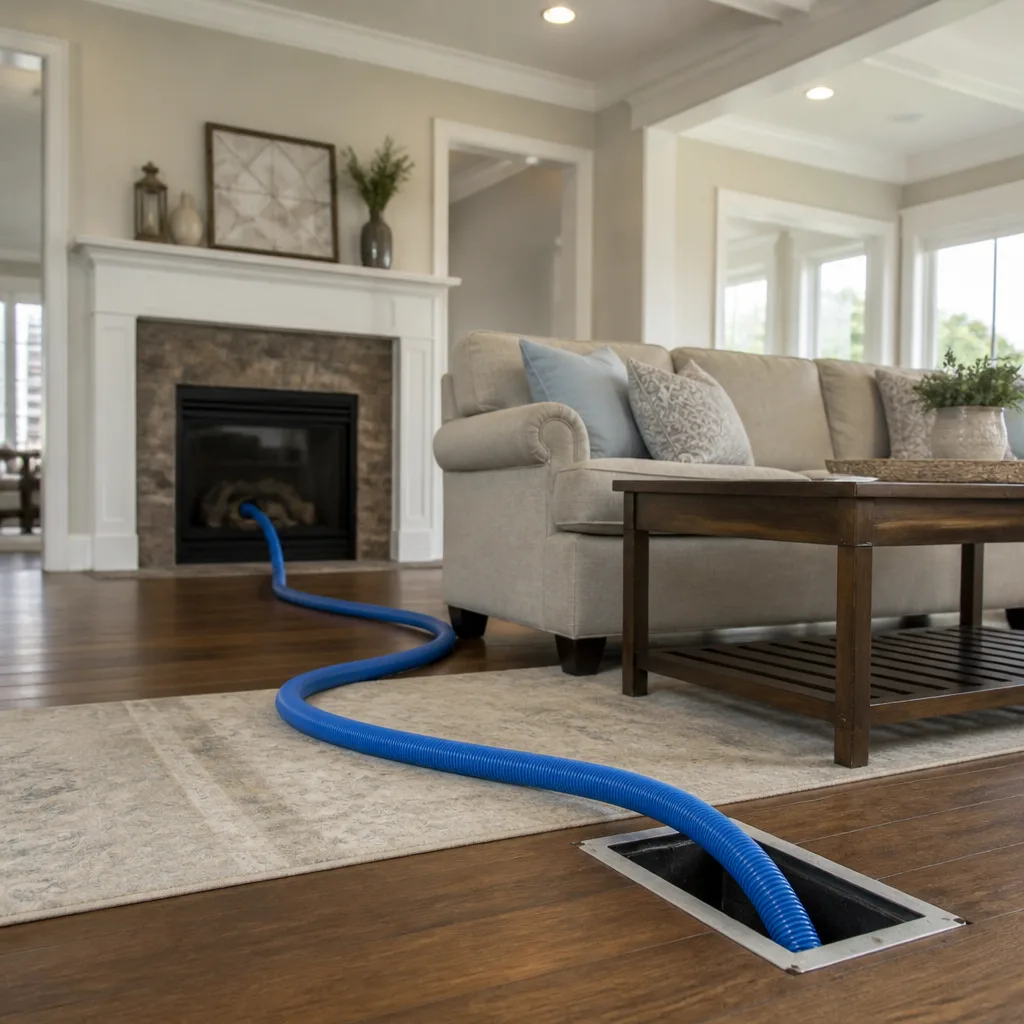 Whole-home duct cleaning
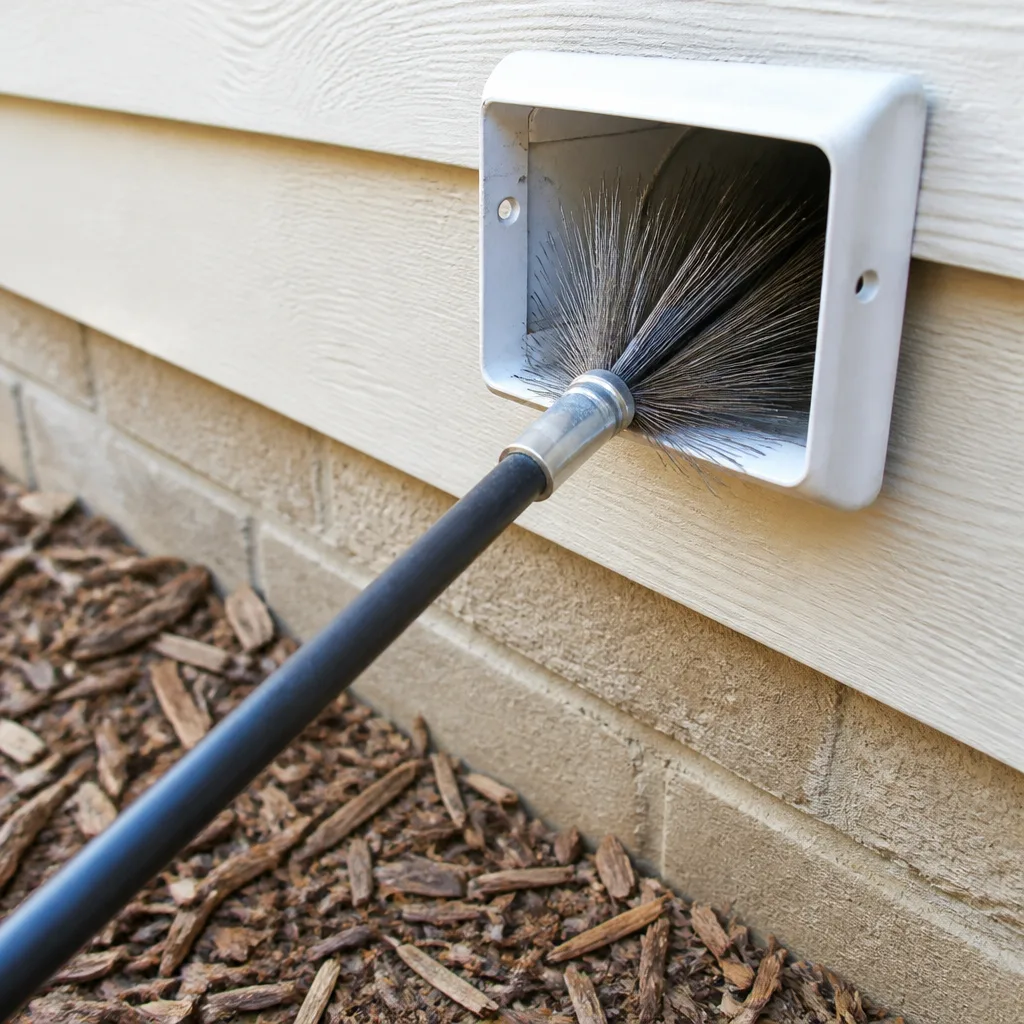 Dryer vent cleaning
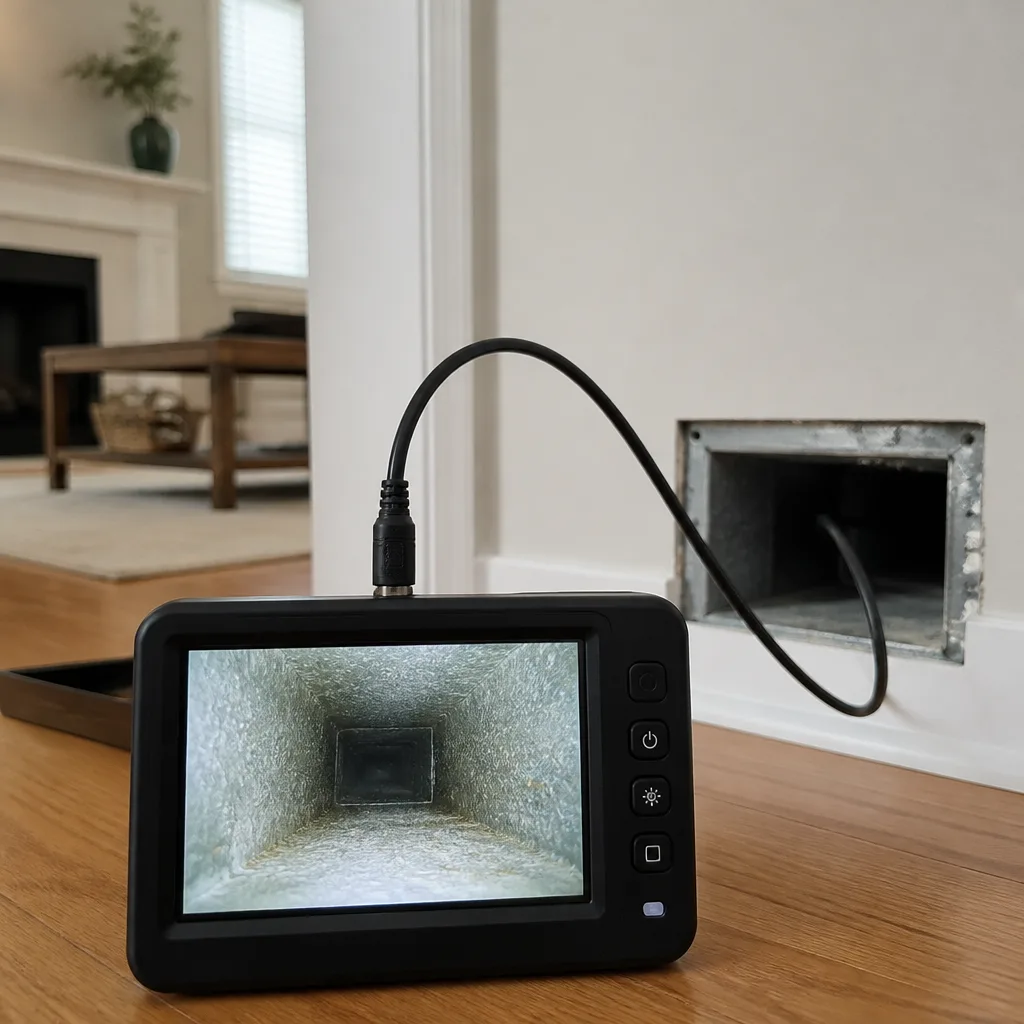 Camera inspection
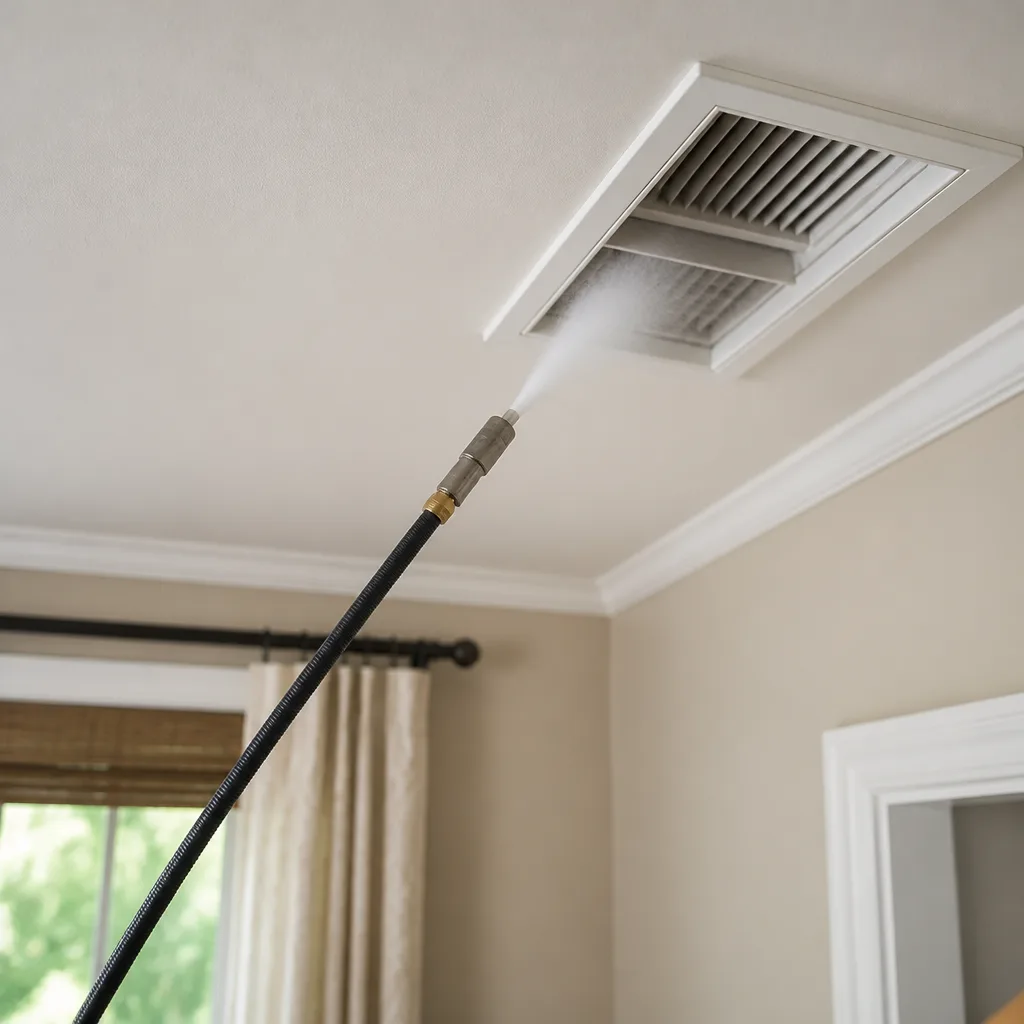 Sanitizing & deodorizing
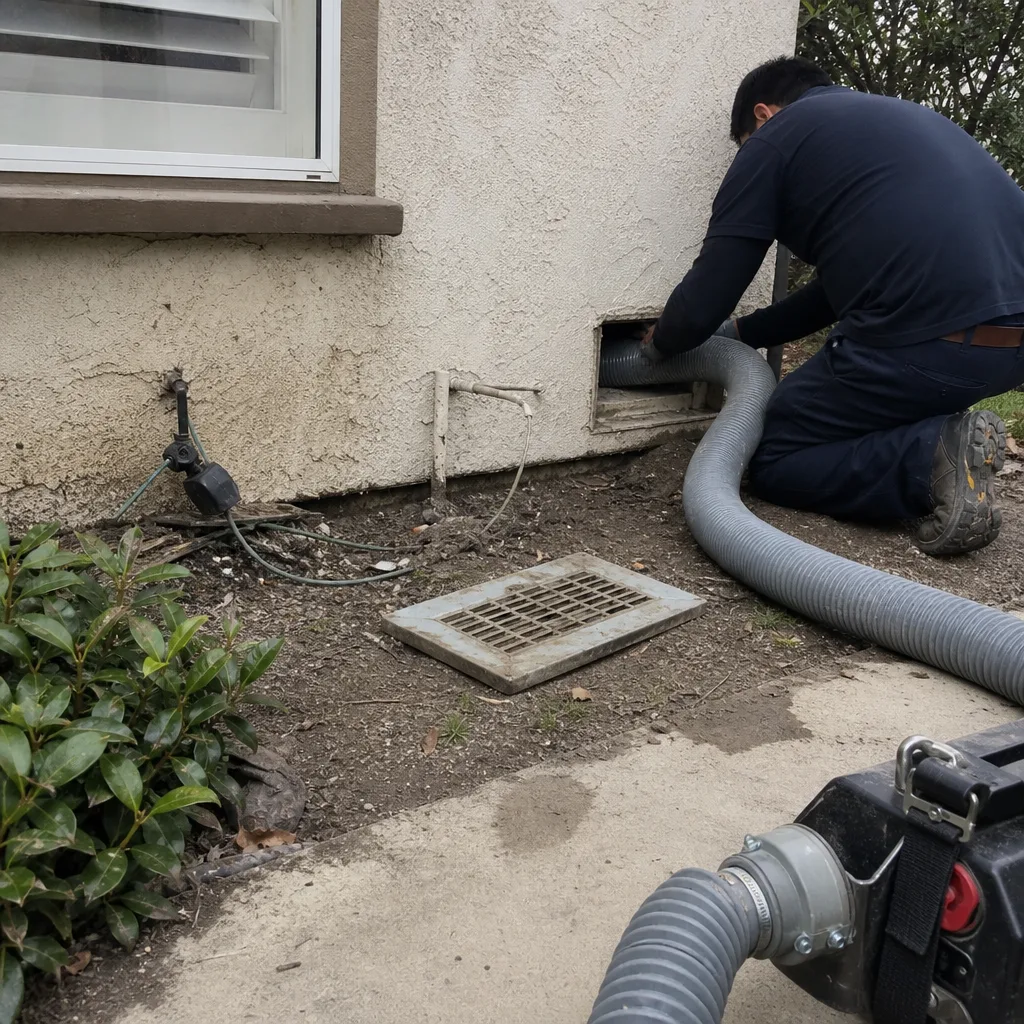
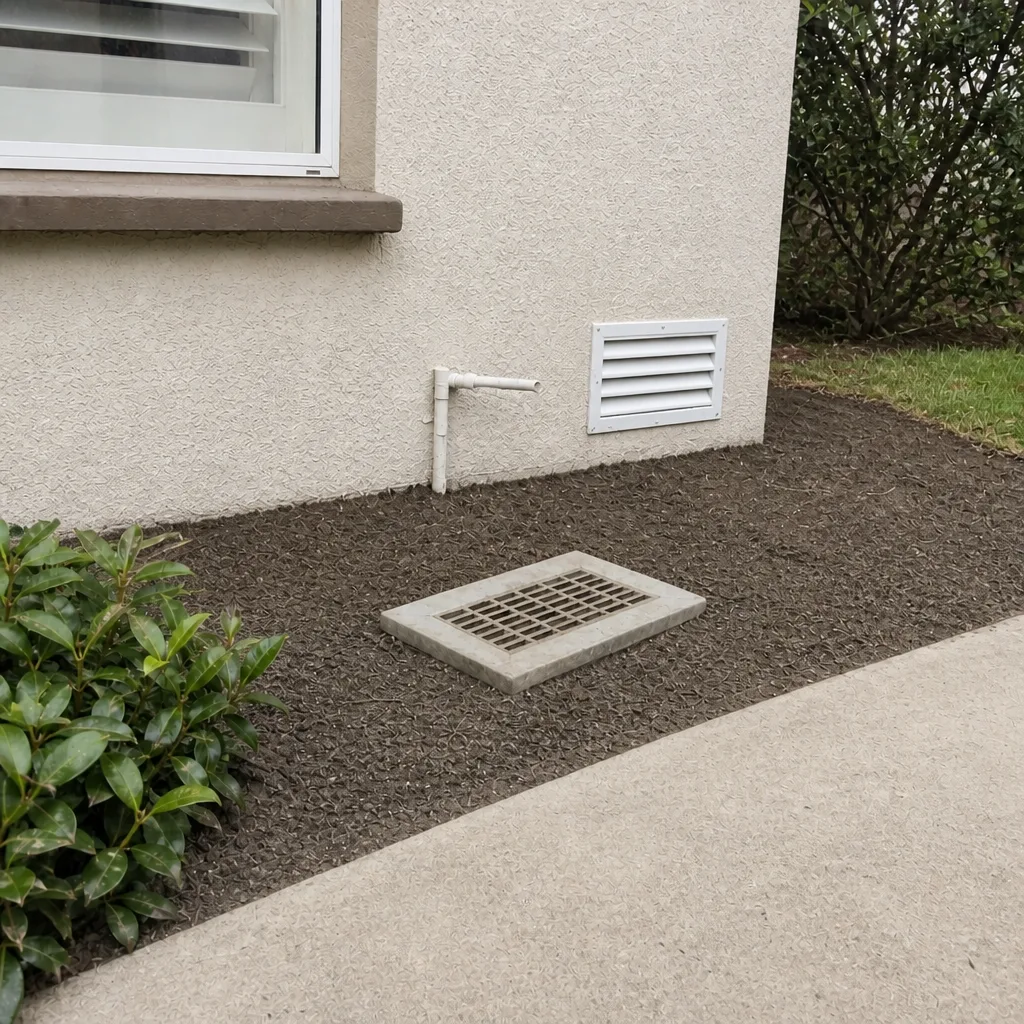
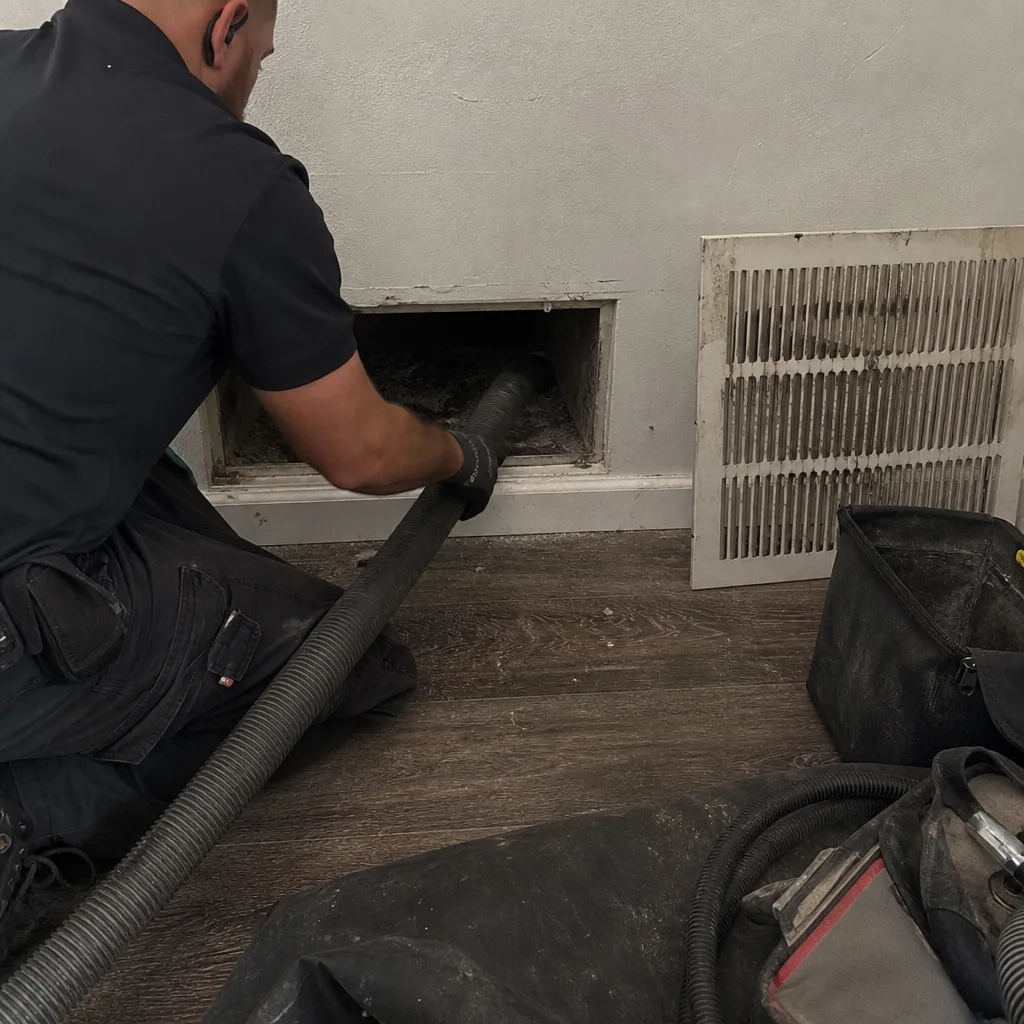
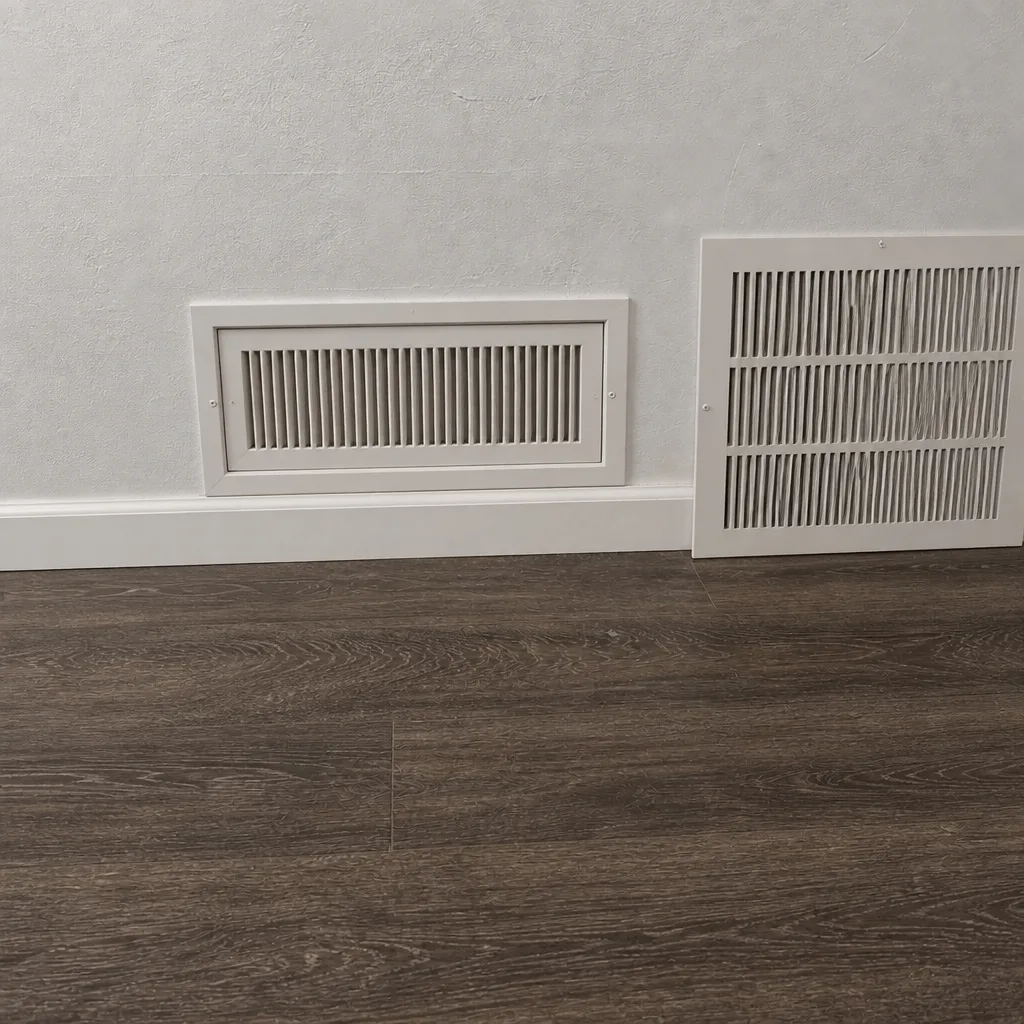
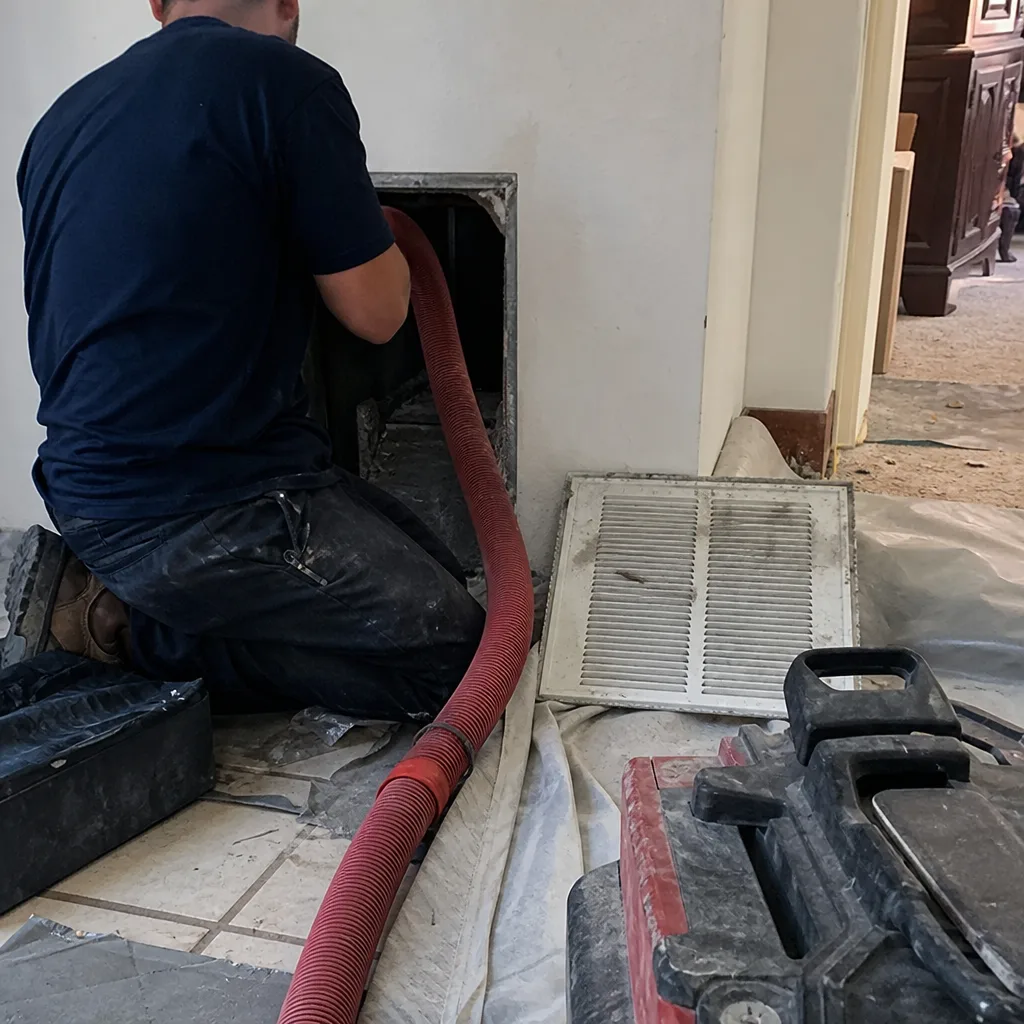
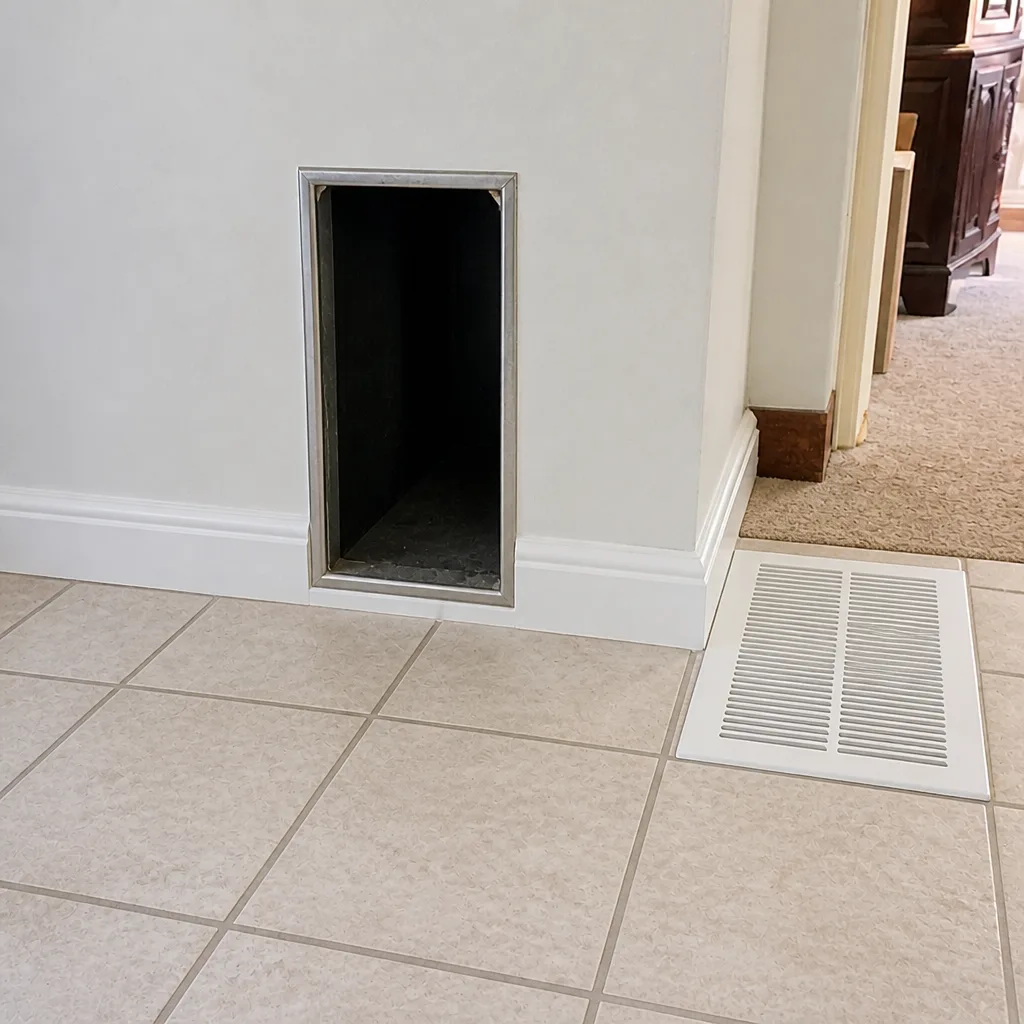
Whole-system duct and dryer vent check with before-and-after photos - you see exactly what came out of your vents
That "$99 whole-house special" is a bait ad - the real number appears once they are in your hallway, or the "clean" is a shop-vac at the register. We photograph the inside of your ducts before and after instead.
DIY vs Professional Air Duct Cleaning: The Aliso Viejo Homeowner’s Decision Guide
Most homeowners assume the difference between a DIY duct cleaning and hiring a professional comes down to effort. It doesn’t. The real difference is physics. A consumer-grade shop vacuum produces roughly 1 – 2 inches of water column negative pressure. A professional system like the Rotobrush platform paired with Nikro negative-air equipment operates at 8 – 12 inches of water column. That gap means a DIY attempt dislodges surface dust and redistributes it through the home, while a professional setup removes embedded particulates at the source. This guide explains exactly where that line sits, what you can genuinely handle yourself in Aliso Viejo, and when the equipment requirements make a professional non-negotiable.
Quick Answer
DIY air duct cleaning is realistic for surface-level maintenance like register cleaning, filter replacement, and visible flex duct inspection, but it cannot remove the compacted particulate embedded in duct walls because consumer vacuums can’t generate the negative pressure required for true source removal. For whole-system cleaning, post-renovation debris, rodent evidence, visible mold, or any system untouched for more than three years, call a professional. In Aliso Viejo, Duct Cleaning Aliso Viejo uses Rotobrush and Nikro equipment that operates at 8 – 12 inches of water column, capturing contaminants rather than redistributing them through your living spaces.
Styles & brands we work with
- Whole-home duct cleaning
- Dryer vent cleaning
- Camera inspection
- Sanitizing & deodorizing
Table of Contents
- The Physics Problem: Why Vacuum Suction Isn’t the Answer
- What a Homeowner Can Legitimately Do Themselves
- The Equipment Gap: Consumer vs Professional Systems
- When a Professional Is Non-Negotiable
- The Hidden Cost of Ineffective DIY Cleaning
- Using a DIY Pre-Inspection to Improve a Professional Visit
- Why Aliso Viejo Homes Need a Different Conversation
- Clean Ducts Are Only Half the Job
The Physics Problem: Why Vacuum Suction Isn’t the Answer
Here’s the misconception that drives most DIY duct cleaning attempts: people think the goal is to vacuum dust out of the ducts. So they tape a hose to a shop vac, shove it down a register, and watch some dust swirl around. They assume the “suction” did something. What they don’t realize is that duct cleaning is not about vacuum suction at the register face. It’s about airflow velocity at the duct wall. The particulate that matters, the fine dust, pet dander, construction debris, and biological material, doesn’t sit loose on the surface. It’s embedded in the film that builds up on duct walls over years of conditioned air moving through the system.
True source removal requires a pressure differential strong enough to create high-velocity airflow across the entire interior surface of the ductwork. That airflow is what dislodges the embedded layer. The vacuum side of the system then captures it. Consumer shop vacs, even large ones, simply cannot hold that differential across a whole duct run. They pull a localized column of air. The moment the hose reaches a turn, a transition, or a plenum, the velocity collapses. You end up pulling the loose stuff near the opening and leaving the compacted layer exactly where it was.
We’ve seen the result of this many times in Aliso Viejo homes. A homeowner spends a weekend with a shop vac and a dryer vent brush, feels satisfied, and then notices within a week that the air seems worse. That’s not imagination. It’s particle redistribution. Which brings us to the real question homeowners should ask: not “can I reach the duct?” but “can I generate and hold the negative pressure needed to actually clean it?” For most homes, the honest answer is no.
How Negative Pressure Works in Duct Cleaning
Professional duct cleaning systems create a closed or semi-closed circuit. A high-powered vacuum unit connects to a section of the duct system and pulls the entire section under negative pressure. Simultaneously, a mechanical agitation tool, like the rotating brush head on a Rotobrush system, travels through the duct run. That brush is what dislodges the embedded particulate. The negative pressure is what keeps that loosened material moving toward the collection point instead of escaping back into the room. Without both elements working together, you have debris being knocked loose and then drifting.
Homeowners don’t have access to this kind of closed-loop capability. A shop vac at the register face is an open system with no containment. Every cubic foot of air you pull out is replaced by air from the room, which means fine particulates that get dislodged but not immediately captured simply enter the living space. A professional system operating at 8 – 12 inches of water column creates a directed flow that carries debris to the collection point. A shop vac at 1 – 2 inches creates turbulence. There’s a reason the industry standard for professional work uses equipment worth tens of thousands of dollars.
What a Homeowner Can Legitimately Do Themselves
The DIY-versus-professional question isn’t all-or-nothing. There are specific maintenance tasks that genuinely belong to the homeowner, and we actively encourage them. These tasks don’t require negative pressure because they don’t involve the interior surfaces of the main duct runs. They’re about keeping the breathing points of the system clear and catching visible problems early. Here’s a step-by-step list of what you can do without professional equipment, and how to do it well.
- Remove and wash register covers. Use a screwdriver to take off floor, wall, and ceiling register covers. Soak them in warm, soapy water, scrub with a brush, dry thoroughly, and reinstall. Do this every three months. It’s simple, and it prevents a surprising amount of lint and dust from being drawn back into the openings.
- Vacuum the exposed register boots. With the cover off, use a standard household vacuum with a crevice tool to remove visible dust and debris from the first few inches of the boot. This is surface cleaning, not duct cleaning, but it’s worthwhile surface cleaning.
- Replace your HVAC filter on schedule. In Aliso Viejo, where the system often runs most months of the year, a pleated filter should typically be replaced every 30 to 60 days during heavy-use seasons. A dirty filter forces the blower to work harder and pushes more particulate into the return side of the system.
- Visually inspect accessible flex ducts. In many Aliso Viejo attics, flexible duct runs are visible. Look for obvious sagging, kinks, disconnected sections, or signs of crushing. If you find a section that’s pulled apart, read the section below on air duct repair, because cleaning won’t fix a disconnected duct.
- Check the dryer vent exterior termination. Go outside to where the dryer exhaust exits the home. If the flap is stuck open, if lint is visible around the opening, or if airflow at the exit feels weak while the dryer is running, that’s a clog signal. You can clear surface lint from the exterior opening, but the run itself usually needs professional dryer vent cleaning equipment to clear.
These five tasks are the extent of legitimate DIY duct maintenance. They’re useful, they’re easy, and they prevent small problems from becoming bigger ones. What they don’t do is clean the main trunk lines and branch runs where the majority of accumulated particulate lives.
The Equipment Gap: Consumer vs Professional Systems
It’s worth understanding exactly what changes when a professional crew arrives, because the equipment is the entire difference. This isn’t a case where a professional just has a bigger version of what you have at home. The tools work on a different principle.
Consumer-Grade Equipment: What You Have at Home
- Shop vacuum: Generates 1 – 2 inches of water column negative pressure. No mechanical agitation. No containment. Useful for removing loose debris from the first several inches of a register boot. Not capable of cleaning a whole duct run.
- Household vacuum with hose extensions: Consumer machines are not built for sustained high-resistance use. Extension hoses reduce the already marginal airflow to nearly nothing at distance.
- Dryer vent brush on a drill: Can knock loose some material in a short, straight dryer vent run. But without a containment system, that loosened lint either falls back into the run or blows out the exterior vent. It doesn’t get thoroughly removed.
Professional-Grade Equipment: What Changes
- Rotobrush rotary brush system: A powered, rotating brush head travels through the duct run, mechanically agitating the walls to dislodge the embedded particulate layer. It does the work a vacuum alone can’t do.
- Nikro negative-air vacuum equipment: HEPA-rated filtration paired with high-static vacuum units that pull 8 – 12 inches of water column across entire duct sections. This is the capture side of the equation.
- Abatement Technologies containment units: Containment is the part most people never think about. It’s what prevents dislodged particulate from leaving the duct system and settling on furniture, floors, and bedding. Abatement Technologies units maintain negative pressure and filter the air being exhausted during the cleaning process. Contaminants captured, not redistributed.
- Guardsman protective treatments: Applied as a finishing layer after cleaning in some cases, this treatment helps prevent particulate from re-adhering to duct surfaces as quickly.
This equipment exists for a reason. The cleaning standard that matters isn’t “did the ducts look cleaner from the register.” It’s “was the embedded particulate removed and captured?” That standard is unreachable with consumer gear.
When a Professional Is Non-Negotiable
Some scenarios make the DIY-versus-professional question moot. If any of the following apply to your Aliso Viejo home, a professional cleaning isn’t an upgrade, it’s the only correct approach.
- Recent renovation or construction. Drywall dust, sawdust, and construction debris settle into every accessible surface. Ducts are no exception. Post-renovation duct cleaning requires professional agitation and capture. A shop vac will chase that dust around and leave most of it behind.
- Evidence of rodent activity. If you’ve had rodents in the attic or crawlspace, and the ductwork shows signs of nesting, dropping, or chewing, do not attempt this yourself. The contamination is biological. It needs professional removal with proper filtration, not a homeowner with a shop vac and a dust mask. This is also a case where the ductwork itself may need repair or replacement sections, not just cleaning.
- Visible mold growth. If you can see mold on register covers, inside the boot, or on duct surfaces, this is beyond cleaning alone. A professional can identify the extent and discuss whether cleaning, repair, or replacement is needed. Do not disturb visible mold with consumer equipment, as that spreads spores through the home.
- More than three years since the last cleaning. The embedded particulate layer builds over time. After three years of normal occupancy in Aliso Viejo, with windows closed and AC running much of the year, the accumulation is substantial enough that only mechanical agitation and professional negative pressure will remove it effectively.
- Water intrusion or high humidity history. If you’ve had a leak, a condensation problem, or a period of unusually high indoor humidity, the humid conditions can cause particulates to adhere more firmly to duct walls and create conditions where microbial growth is possible. This is a harder cleaning situation, not a DIY one.
The Hidden Cost of Ineffective DIY Cleaning
The typical homeowner thinks of DIY duct cleaning as a money-saving move. The real cost often shows up in air quality. Here’s the sequence, and we see it regularly in Aliso Viejo homes where someone took a shot at this before calling us.
- Agitation without capture. A shop vac or brush knocks the loose, dry surface layer off the duct walls. Some of it gets pulled toward the vacuum. Much of it simply becomes airborne inside the duct system.
- System redistribution. The next time the HVAC blower runs, that aerosolized particulate is pushed through the supply registers into the living spaces. In the first 24 to 72 hours after a DIY attempt, indoor particle counts can spike noticeably. This is why people often report that the air “seems worse” after trying it themselves.
- Resettling. Within a week, that particulate settles back onto surfaces. Furniture, electronics, window sills, bedding. The ducts are no cleaner than before. The home now has a layer of fine dust on everything. The homeowner has spent a weekend making the situation temporarily worse and permanently unchanged.
- Compaction. The part of the debris layer that shifted but didn’t get removed now settles back into the ductwork in a denser, harder-to-remove configuration. A subsequent professional cleaning can actually be made more difficult by a prior DIY attempt that agitated the material and let it re-compact in the airflow path.
This is the hidden cost. It isn’t the hours you spent. It’s the airborne particulate you introduced into the living space while leaving the duct system uncleaned. Professional equipment exists specifically to avoid this sequence: agitate, capture, contain, exhaust clean air.
Using a DIY Pre-Inspection to Improve a Professional Visit
There’s a genuinely constructive role for DIY work here, and it’s not cleaning. It’s inspection. A well-informed homeowner can gather useful information that makes a professional visit faster and more targeted. Here’s how to do a pre-inspection that actually helps.
- Note which rooms run noticeably warmer or cooler. This is often a sign of airflow restriction, disconnected ducts, or balancing problems. Write down which rooms, which registers, and whether the difference is consistent.
- Look for dust patterns. If certain areas of the home accumulate visible dust faster than others, that’s a clue about which branch runs may be carrying more particulate or which return paths are underperforming. Note the rooms.
- Check the visible filter. Take a photo of the current filter. Note how dirty it is, and how long it’s been installed. This gives a technician useful context about how aggressively the system has been pulling air through it.
- Inspect visible flex duct in the attic if you can access it safely. Sagging, kinking, or disconnected sections are important findings. Don’t attempt to repair them yourself unless you know exactly what you’re doing. Just document what you see.
- Write down any recent events. Renovations, pest issues, water leaks, new pets, allergy changes, anything relevant. A short list of these gives the technician a much better starting point than an open-ended “just clean the ducts.”
This kind of preparation doesn’t replace professional work. It makes professional work more efficient. When a homeowner can tell us “the two east-facing bedrooms run consistently warm and the return in the hallway seems weak,” we can prioritize those areas during inspection and cleaning, and we may identify a repair issue before it becomes a bigger problem. That can reduce service time on site and help you get a more accurate picture of what’s actually happening in the system.
Why Aliso Viejo Homes Need a Different Conversation
Aliso Viejo has a specific climate profile that shapes what accumulates in residential ductwork, and it’s not the profile you’d find in a coastal or high-humidity inland market. The climate here is Mediterranean: mild, relatively dry, with moderate temperatures that make HVAC systems run frequently but not aggressively. That matters for duct contamination in a few specific ways.
First, most Aliso Viejo homes keep windows closed for large parts of the year to manage indoor temperature. That means the HVAC system is the primary air exchange mechanism for the home, and the ducts are the pathway for nearly every cubic foot of air you breathe indoors. What’s in the ducts is, in effect, what’s in the air. A homeowner in a milder climate who leaves windows open more often gets more natural air exchange. In Aliso Viejo, the duct system is doing that work.
Second, the dry climate means particulates stay dry and light. That sounds cleaner, but it actually means they aerosolize more easily when disturbed. The embedded layer in dry Aliso Viejo ducts is more prone to becoming airborne during a DIY cleaning attempt than it would be in a more humid environment where moisture keeps some of that material bound together. Dry dust is dust that flies.
Third, many Aliso Viejo homes were built during the late-1990s and early-2000s expansion of the area. That means duct systems are now twenty to thirty years old, often with original flex runs that have never been inspected for integrity. An air duct cleaning on a system this old typically reveals repair needs that a newer system wouldn’t have. Sagging flex duct, loose connections, and small leaks are common. That’s why a cleaning company that also does repair is relevant here. Clean ducts are only half the job. Intact ducts are the other half.
Clean Ducts Are Only Half the Job
Here’s a point that most duct cleaning discussions miss entirely: the cleanest ductwork in the world doesn’t help if the system is leaking or disconnected. In our experience with Aliso Viejo homes, we regularly find duct integrity problems during what was scheduled as a simple cleaning. Flex runs that have pulled loose from the plenum. Sections crushed by stored items in the attic. Seams that have opened up. Boots that no longer seal to the register opening.
Each of these problems means the system is doing more than moving air through your ducts. It’s also pulling attic air into the supply path, or dumping conditioned air into the attic where it does nothing. Attic air in Aliso Viejo is full of insulation fibers, dust, and whatever has made its way into that space. If the duct system is leaking on the supply side, that attic air gets pulled into the airstream and delivered to your bedrooms. Cleaning the ducts won’t fix that. The system needs repair.
This is why the scope of the company you hire matters. Duct cleaning is one service. Air duct repair is another, and most cleaning companies don’t offer it. A specialist that carries both under one roof can clean the ductwork and then seal or replace the sections that are compromising the system. That’s the difference between getting a process done and getting an actual result. From cleaning to repair in one call is not a marketing line when the company actually has the capability to do both.
Common Mistakes to Avoid
- Using a shop vac as the primary cleaning tool. As covered above, a shop vac cannot generate the negative pressure or airflow velocity needed for source removal. It displaces surface debris without capturing the embedded layer.
- Skipping containment entirely. Even a “light” DIY cleaning attempt creates airborne particulate. Without containment, that particulate moves into the living space. If you’re going to disturb the ducts at all, understand that what you loosen will go somewhere.
- Using chemicals or fogging products you found online. Some homeowners decide that since they can’t mechanically clean the ducts, they’ll treat them with something. This is a bad idea. Introducing chemicals into your HVAC airflow path without understanding the chemistry, the dwell time, or the off-gassing risks can make indoor air quality worse, not better.
- Ignoring the filter after a DIY attempt. If you do attempt any DIY cleaning, replace the filter immediately afterward. A filter that’s been running during a DIY attempt is now loaded with whatever you dislodged. Running it is counterproductive.
- Confusing surface dusting with duct cleaning. Wiping register covers is maintenance. It is not duct cleaning. Don’t convince yourself that because the visible parts are clean, the system is clean. The duct runs between the registers are where the problem lives.
- Not checking for duct damage before cleaning. If the duct system has a disconnected run or a gaping hole, a cleaning will push agitated particulate into the attic or wall cavity. Cleaners who don’t look for this first create a mess. A professional should inspect and note integrity issues before running the cleaning equipment, not after.
- Choosing a company based on price alone. The coupon duct cleaning industry has a well-earned reputation for showing up with a shop vac and a long hose, making noise for forty minutes, and leaving the system fundamentally uncleaned. This is exactly the equipment problem this guide describes, just with a paid crew holding the hose. The price you’re paying for is the equipment and process, not the labor hours.
See the difference
 Before
 After
 Before
 After
 Before
 After
When to Call a Professional
If your Aliso Viejo home hasn’t had the ducts professionally cleaned in more than three years, or if you’ve noticed dust accumulation that returns quickly after cleaning, weak airflow from certain registers, unexplained allergy symptoms at home, or visible debris when you remove a register cover, a professional cleaning is the appropriate next step. The equipment differential, genuine negative pressure, mechanical agitation, and containment, cannot be replicated with anything available at a hardware store. Duct Cleaning Aliso Viejo offers free estimates in Aliso Viejo. Call (833) 693-2761 to schedule yours. We answer 24/7. Fast dispatch from 7am to 7pm, Sunday through Friday.
Frequently Asked Questions
No, not effectively. A shop vac generates about 1 – 2 inches of water column negative pressure, while professional systems like Rotobrush and Nikro operate at 8 – 12 inches. That gap means a shop vac can remove loose surface debris near the register but cannot dislodge or capture the embedded particulate layer on duct walls. For legitimate DIY maintenance, stick to register cleaning, filter changes, and visible inspection. For whole-system cleaning, call (833) 693-2761 for a free estimate.
Professional duct cleaning in Aliso Viejo is priced per job by written estimate, not by a flat menu rate. The final cost depends on the size of the system, the number of returns and supplies, the level of contamination, and whether repairs are identified during the inspection. Duct Cleaning Aliso Viejo provides free estimates so you know the exact cost before any work begins. Call (833) 693-2761 to schedule a walkthrough.
Cheaper quotes typically reflect cheaper equipment and a shorter process. A company using a truck-mounted vacuum with no mechanical agitation, or a crew running shop vacs with extended hoses, cannot achieve source removal. They’re selling labor hours, not a cleaning result. The equipment that actually works, Rotobrush rotary brushes, Nikro negative-air units, Abatement Technologies containment, is expensive to own and maintain, and that cost is reflected in honest pricing. The cheaper quote often means the same outcome as a DIY attempt, but with someone else holding the hose.
Ask for before-and-after documentation. A legitimate professional cleaning should include photos or video from inside the ductwork showing the surface condition before and after the agitation and extraction process. Duct Cleaning Aliso Viejo provides this as standard. You can also check the capture equipment and containment setup: if there’s no high-static vacuum unit connected to the system and no containment in place, it’s not a professional source-removal cleaning regardless of what the invoice says.
In Aliso Viejo, where HVAC systems run frequently and homes often stay closed up for climate control, a professional cleaning is typically warranted every three to five years. Homes with pets, recent construction, or residents with allergy and asthma concerns may benefit from more frequent service. Less than three years is often unnecessary unless there’s a specific event like a renovation or pest issue. More than five years usually means noticeable accumulation, and the particulate layer becomes harder to remove effectively.
Hardware store dryer vent kits can clear loose lint from a short, straight, accessible run. For most Aliso Viejo homes, the dryer vent run is longer, has turns, or terminates in a location that’s hard to reach. The brush on a drill also has no way to capture the lint it dislodges, so much of it falls back into the run. Professional dryer vent cleaning uses powered equipment with directional airflow to push loosened lint out the exterior termination and verify that the entire run is clear. For safety and completeness, call (833) 693-2761 for a free estimate.
The Bottom Line
The DIY duct cleaning question resolves to a simple physical fact: consumer equipment cannot produce the negative pressure required for source removal. What you can do yourself, register maintenance, filter replacement, visual inspection, is genuinely useful and should be done regularly. What you cannot do is clean the duct runs themselves. For that, in Aliso Viejo, professional equipment matters: Rotobrush mechanical agitation, Nikro negative-air capture, and Abatement Technologies containment working together. The result is cleaner air because the contaminants were removed and captured, not stirred up and redistributed. If it’s been more than three years, or you’ve had construction, pests, or visible contamination, call (833) 693-2761 for a free estimate. We answer 24/7. Fast dispatch from 7am to 7pm, Sunday through Friday.
Written by the team at Duct Cleaning Aliso Viejo, serving Aliso Viejo since 2016.