
Last updated November 4, 2026
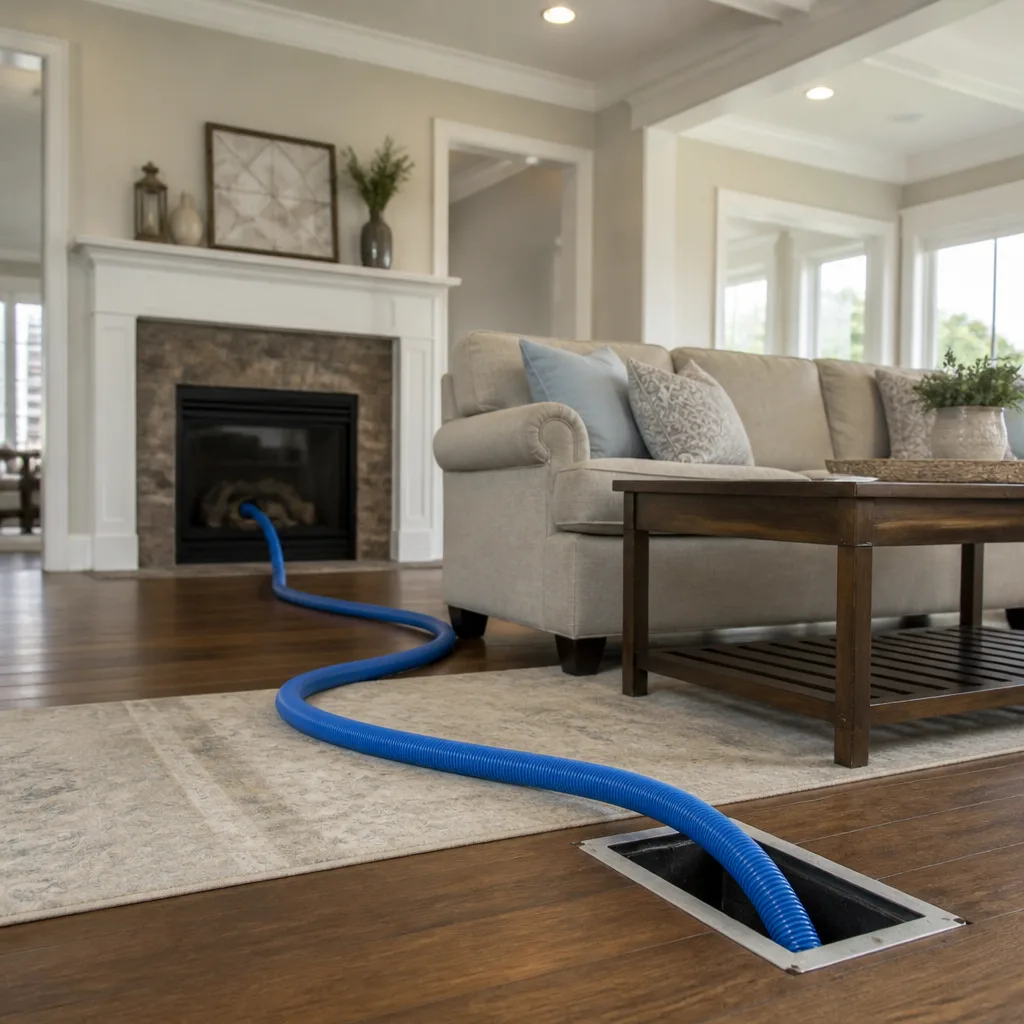 Whole-home duct cleaning
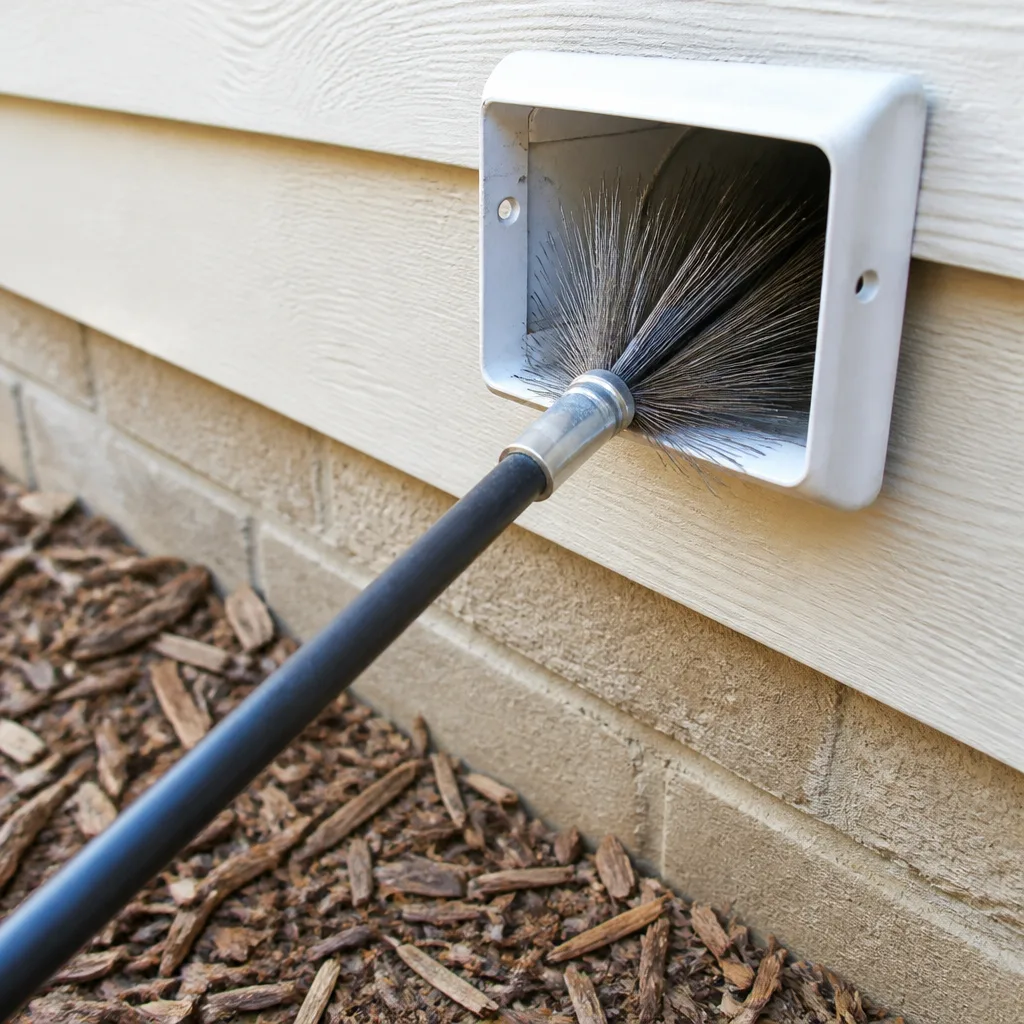 Dryer vent cleaning
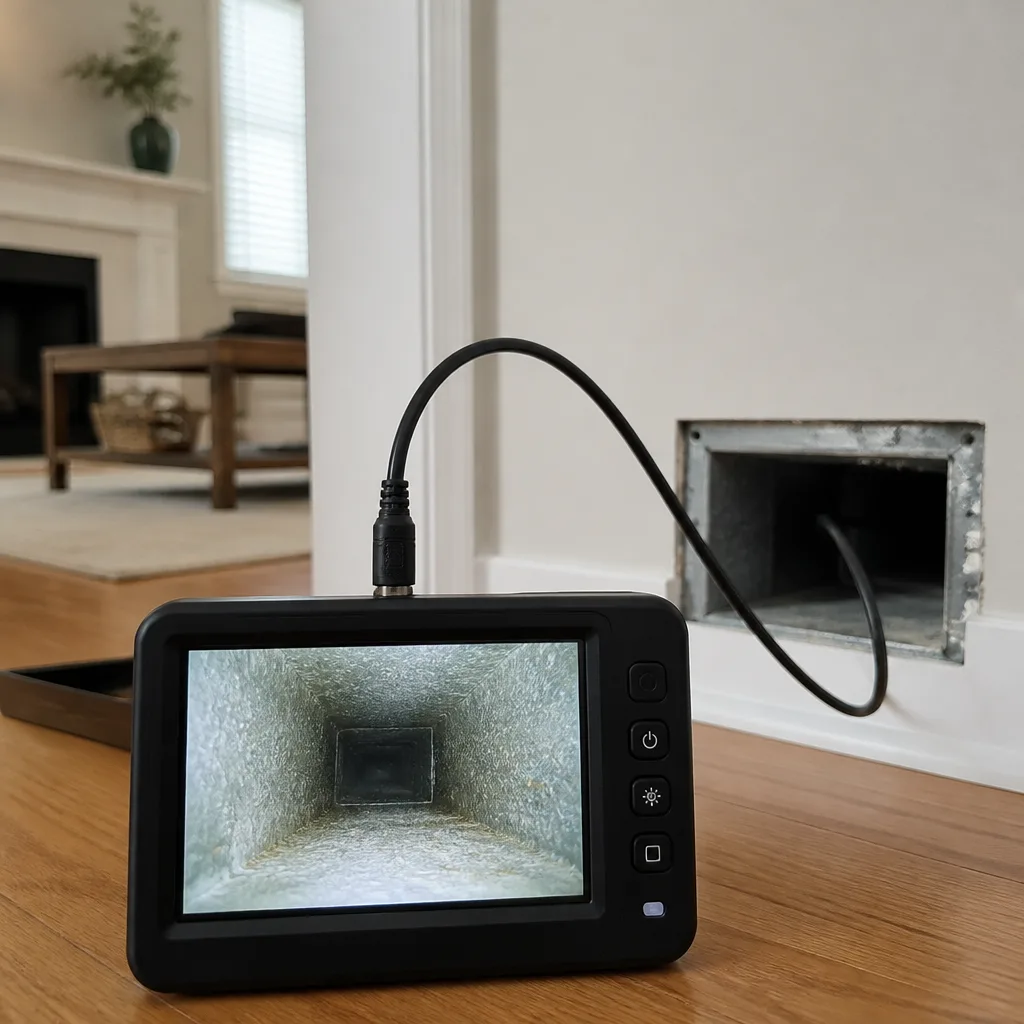 Camera inspection
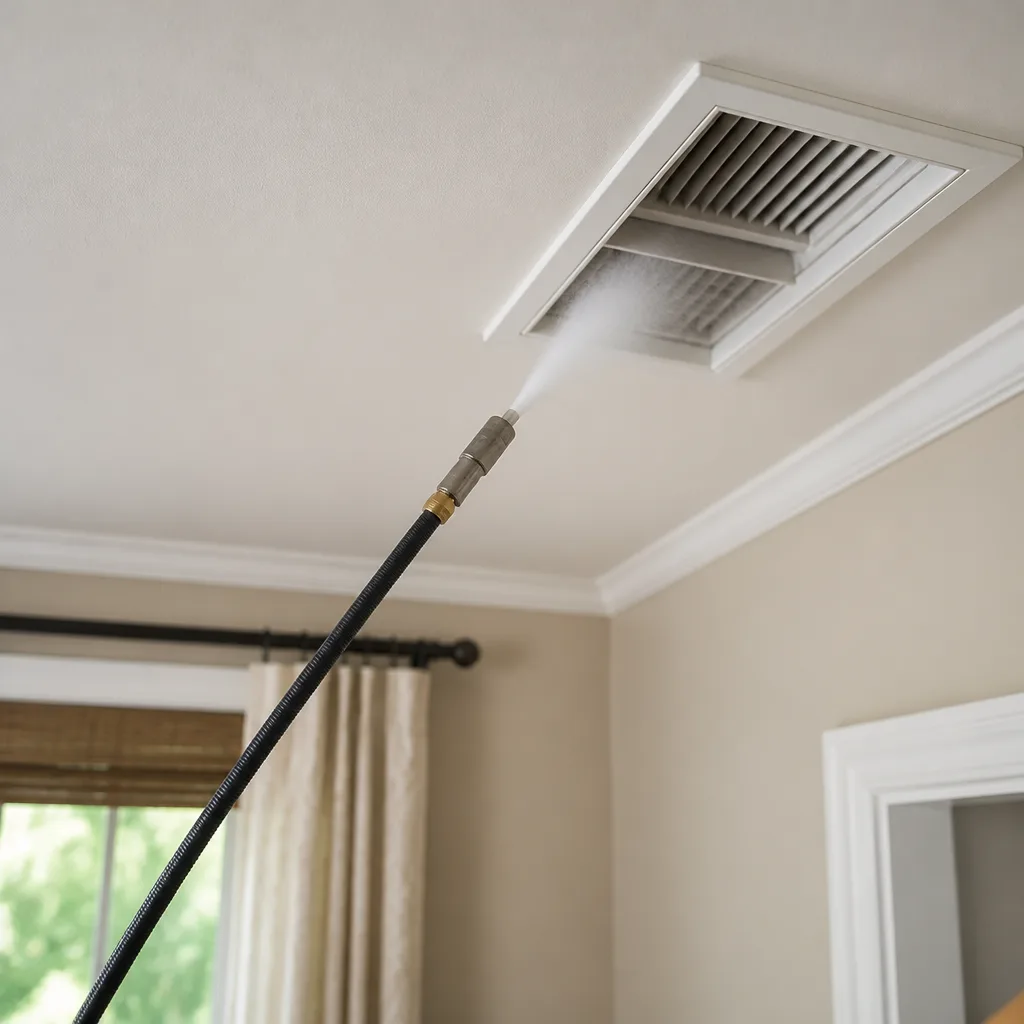 Sanitizing & deodorizing
Whole-system duct and dryer vent check with before-and-after photos - you see exactly what came out of your vents
That "$99 whole-house special" is a bait ad - the real number appears once they are in your hallway, or the "clean" is a shop-vac at the register. We photograph the inside of your ducts before and after instead.
Air Duct Cleaning Maintenance Schedule: What to Do and When
Most homeowners in Aliso Viejo have been told the same thing: clean your air ducts every three to five years. That number gets repeated so often it sounds like building code. It isn’t. The 3-to-5-year interval is a floor, not a schedule. A house with two shedding dogs, a recent bathroom remodel, and standard one-inch fiberglass filters can pack the same debris load into 18 months that a pet-free, well-filtered home takes five years to accumulate. This guide replaces the calendar reminder with a decision matrix, so you can calculate your home’s actual fouling rate and know exactly what to check, clean, and upgrade between professional visits.
Quick Answer
Most Aliso Viejo homes need professional air duct cleaning every 2 to 4 years, but the real interval depends on occupancy load, pet count, filter grade, renovation history, and local air events like Santa Ana wind seasons. Homes with shedding pets, recent drywall work, or low-grade filters should shorten that to 12 to 24 months. Quarterly filter audits and annual register inspections are the minimum between-visit maintenance tasks.
Styles & brands we work with
- Whole-home duct cleaning
- Dryer vent cleaning
- Camera inspection
- Sanitizing & deodorizing
Table of Contents
- The Decision Matrix: Calculate Your Home’s Real Fouling Rate
- Aliso Viejo Accelerants: Why Our Air Moves More Debris
- What to Do Between Professional Cleanings
- Maintenance Tasks That Extend Your Cleaning Interval
- How to Build a Home Maintenance Log That Pays Off
- Signs Your Schedule Needs to Move Up
- Common Mistakes to Avoid
- When to Call a Professional
- Frequently Asked Questions
The Decision Matrix: Calculate Your Home’s Real Fouling Rate
Duct fouling is not a mystery. It follows predictable inputs. When you know what’s entering your return air stream, how long your system runs, and how much of that incoming debris your filter actually catches, you can estimate your cleaning interval with reasonable precision. We use four variables with every customer in Aliso Viejo: filter change frequency, pet count, renovation history, and HVAC run hours.
Step 1: Rate Your Home on Four Variables
- Filter grade and change discipline. A MERV-6 fiberglass filter catches roughly 20 to 30 percent of particles in the 1-to-3-micron range. A MERV-11 catches closer to 65 to 70 percent. If you run a MERV-6 and change it every 90 days, your ducts are the filter. Score yourself high-fouling.
- Pet load. Each shedding dog or cat adds dander, hair, and tracked-in particulate. Two or more shedding pets in a home that runs the AC six months a year pushes fouling rates up significantly. No pets? Lower fouling.
- Renovation history. Any drywall sanding, flooring demo, or attic insulation work in the past three years injects fine particulate that settles in ductwork and stays there. Even a single bathroom remodel counts.
- HVAC run hours. Aliso Viejo summers mean long AC runtimes. The more hours your blower moves air, the more debris accumulates on duct walls, return plenums, and blower vanes.
Step 2: Assign Your Cleaning Interval
- Low fouling: no pets, MERV-11 filter changed quarterly, no renovation in five years, modest AC use. Clean every 4 to 5 years.
- Moderate fouling: one pet, MERV-8 filter, one recent renovation, typical Aliso Viejo summer AC runtime. Clean every 2 to 3 years.
- High fouling: two-plus shedding pets, MERV-6 filter, renovation within 18 months, long daily AC runtimes. Clean every 12 to 24 months.
- Event-driven fouling: any home that sat through a nearby wildfire smoke season or an especially dusty Santa Ana wind period. Inspect within 60 days of the event, regardless of last cleaning date.
In our experience, the homes with the worst duct loads are rarely the oldest homes. They’re the ones where someone changed the carpet, repainted three rooms, and never thought about what happened to all the airborne dust. The debris doesn’t disappear. It settles. Your return ducts are a collection point.
Aliso Viejo Accelerants: Why Our Air Moves More Debris
Aliso Viejo sits in a valley system that catches airborne particulate from several directions. The Santa Ana winds that sweep through in the fall and early winter push dry, dusty air across inland Southern California. That dust doesn’t just land on patio furniture. Some of it gets pulled into return-air streams and deposited in ductwork. Homes near canyon edges and open space with disturbed soil see more of it than homes in dense, landscaped neighborhoods.
Wildfire seasons matter too, even when the fire itself is miles away. Smoke and ash plumes travel far beyond the burn perimeter. Ash is heavier than smoke and settles quickly, including inside duct boots, return plenums, and registers. You might not see it in the living room, but a return-side inspection after a smoky week often shows a fine gray film that wasn’t there before. That’s a cleaning trigger, not a cosmetic issue.
Local Seasonal Checkpoints That Reset the Clock
- Post-Santa Ana wind season (November through January): inspect registers and the inside of your return grille. If you see dust accumulation on the grille vanes, the ducts behind them are carrying a heavier load.
- Post-wildfire event (any month, but historically September through October): if smoke was visible or you smelled it indoors for more than a day, schedule a duct inspection. Ash and smoke residue in ductwork shortens filter life and recirculates for months.
- Post-construction spring (April through June): if any home in your immediate neighborhood underwent a major renovation, dust travels. A one-time inspection after the work wraps up is cheap insurance.
For anyone searching for air duct cleaning in the Aliso Viejo area, the seasonal pattern is worth internalizing. Our homes don’t foul at a steady, predictable rate. They foul in spurts, driven by wind events and fire seasons. That’s why an inspection-based schedule works better here than a fixed calendar interval.
What to Do Between Professional Cleanings
Between professional visits, you are the first line of defense. The tasks are simple, take minutes, and give you direct feedback on how fast your ducts are loading up.
The Quarterly Filter Audit
Every three months, pull your filter. Don’t just glance at it. Hold it up to a light source and look at the density of trapped material. A filter that’s evenly gray across the entire surface after 30 days is doing its job, but it’s also telling you your supply air is dirty. A filter with a single dark spot near one corner suggests a return leak pulling from an attic or wall cavity, not the living space. Log what you see. The pattern matters more than the amount.
The Annual Register Wipe
Once a year, remove each supply register in the house and wipe the inside of the register boot with a damp cloth. If the cloth comes back with dark, slightly greasy residue, that’s not ordinary household dust. That’s a mix of skin cells, cooking aerosols, and fine outdoor particulate that has been baked onto duct surfaces by warm air cycles. Heavy residue at several registers is a strong signal that your duct load has reached the point where a professional cleaning is due.
Reading a Pulled Filter
A pulled filter tells you what your ducts are receiving. Here’s how to read it:
- Fine gray powder, even distribution: normal outdoor particulate. Expected in Aliso Viejo, especially after wind events.
- Clumps of pet hair and fibers: typical pet-load signature. Your ducts are catching what the filter misses.
- Dark, oily film: cooking aerosols and possibly candle residue. This coats duct walls and attracts additional dust.
- Drywall dust color (light white or tan, very fine): renovation signature. This settles deep in the system and won’t come out without mechanical agitation.
Each of these readings tells you whether you’re on track with your current interval or need to move your next cleaning up.
Maintenance Tasks That Extend Your Cleaning Interval
You can slow the fouling rate. Not eliminate it, but meaningfully extend the time between professional cleanings. The three highest-leverage moves in most Aliso Viejo homes are filtration upgrades, return-side leak sealing, and attic insulation management.
Upgrade to MERV-11 Filtration
A MERV-11 filter traps significantly more of the fine particulate that otherwise coats your ducts. If your system can handle the slightly higher static pressure drop (most modern systems can), it’s the single most effective way to extend intervals. Pair it with a strict 60-to-90-day replacement routine. We carry and install Aprilaire filtration products for homeowners who want a proper media cabinet rather than a one-inch retrofit. A media cabinet holds a deeper filter with more surface area, which means better capture with less airflow restriction.
Seal Return-Side Leaks
Return ducts run through attics, chases, and wall cavities. Any gap or failed seal pulls unfiltered air from those spaces directly into your system. That’s how attic insulation dust, pest debris, and construction dust get into supply air. Every return leak is a fouling accelerator. Sealing those leaks is part of what proper Duct Cleaning Aliso Viejo work should include, and it’s a repair task, not just a cleaning task. Clean ducts are only half the job. Intact ducts are the other half.
Keep Attic Insulation Out of Duct Boots
In homes where insulation touches or spills over duct boots, every service call or attic trip kicks particles into the air stream. A small gap between the boot and the drywall is all it takes. Check your visible boots from inside the house. If you see insulation fibers around the register edge, you have a boot-seal problem. Fixing it keeps loose insulation where it belongs and out of your lungs.
One more note on equipment. The difference between a thorough cleaning and a partial one often comes down to agitation. A Rotobrush system mechanically scrubs duct walls rather than just vacuuming loose debris. That’s the standard we work to, and it matters for homeowners trying to get real interval extension. A vacuum-only pass leaves the adhered film behind, which builds back faster.
How to Build a Home Maintenance Log That Pays Off
A simple log turns maintenance from a guessing game into a record. It also gives you leverage in two situations: warranty claims and insurance disputes. If a furnace blower fails and the manufacturer asks whether the system was properly maintained, a log with dated filter changes and cleaning visits is evidence. If an insurance claim ever involves HVAC condition after a fire or water event, the same log shows diligence.
What to Record
- Date, filter brand, and MERV rating every time you change the filter.
- What the pulled filter looked like in one or two words (gray, clumped, oily, clean).
- Any register wipe findings with the register location noted.
- Professional cleaning date, company name, and scope of what was cleaned.
- Renovations or repairs that generated dust, with dates.
- Local air events like smoke days or heavy Santa Ana dust, noted as one-line entries.
Keep it in a notes app, a spreadsheet, or a paper folder next to the furnace. The form matters less than the consistency. A two-year log gives the next technician a faster, more accurate inspection. It tells them where problems are concentrated, what your fouling rate actually is, and whether the schedule we’ve described here needs adjustment for your specific house. We appreciate a homeowner with a log. It means the visit is more efficient and the recommendations are better targeted.
Signs Your Schedule Needs to Move Up
Your home will tell you when the interval you planned is too long. Here are the signals we hear about most from customers in Aliso Viejo:
- Dust returns within days of cleaning surfaces. If you dust a shelf and the same shelf is visibly coated 48 hours later, your ducts are redistributing particulate, not the open windows.
- Uneven airflow between rooms. A duct branch partially clogged with debris delivers less air. If one bedroom is always warmer in summer, it may be a duct-load issue, not a balancing issue.
- Return grille looks like a lint screen. The return side pulls air from living spaces. If the grille is caked with visible dust, that dust is also inside the return trunk.
- You smell dust when the system first kicks on. That’s the blower stirring settled material in the plenum and supply boots. It means the ducts have enough accumulation to release odor on startup.
- Filters clog faster than they used to. If a 90-day filter looks plugged at 30 days, the system is pulling from a dirtier source, often the ducts themselves.
None of these signs alone proves a problem, but two or more together means your current schedule is behind the fouling curve. Move the next professional cleaning up rather than waiting for the planned date.
Common Mistakes to Avoid
- Treating the 3-to-5-year rule as a warranty. It’s a guideline for average homes in average conditions. Your home is specific. Use the decision matrix above, not a magazine article.
- Skipping the post-renovation inspection. Drywall dust is one of the most common fouling agents we find in Aliso Viejo ducts. The homeowner finished the remodel, ran the AC for three months, and then wondered why every room felt dusty.
- Buying the highest MERV filter without checking static pressure. A MERV-13 in a system designed for MERV-8 can reduce airflow, increase energy use, and strain the blower. Talk to a technician about what your system can handle.
- Cleaning registers but ignoring returns. Half the system pulls air in. Return ducts carry more debris than supply ducts in most homes because they see unfiltered air first.
- Assuming visible vents mean clean ducts. The visible part of a register is a few square inches. The duct run behind it can be heavily loaded while the grille looks acceptable.
- Using a consumer-grade vacuum or blower for DIY attempts. Shop-vac duct cleaning doesn’t agitate the adhered film and often redistributes what it loosens. Contaminants captured, not redistributed, is the standard professional equipment exists to meet.
When to Call a Professional
You should schedule a professional inspection and cleaning when your log shows two or more of the warning signs above, after any season with visible wildfire smoke, or if you’ve never had the ducts cleaned and the home is more than five years old. Professional equipment matters more than most homeowners expect. Our crews use Nikro HEPA-rated negative-air units to hold the system under negative pressure during cleaning, and Abatement Technologies containment equipment to make sure dislodged material goes into the collection unit, not back into the living room. That’s the difference between a real mechanical clean and a visual wipe-down. We also handle duct repair in the same visit, so if we find a separated boot or a torn flex duct, the fix happens without a second call. Dryer vent cleaning is a separate, focused service we provide, and it carries its own schedule logic, but it pairs naturally with duct work in the same home.
Duct Cleaning Aliso Viejo offers free estimates in Aliso Viejo. Call (833) 693-2761. We answer 24/7. Fast dispatch from 7am to 7pm, Sunday through Friday.
Frequently Asked Questions
Most Aliso Viejo homes need professional duct cleaning every 2 to 4 years, but high-fouling homes with pets, renovations, or low-grade filters should clean every 12 to 24 months. Homes that experience wildfire smoke or heavy Santa Ana dust should inspect within 60 days of the event regardless of the last cleaning date.
Santa Ana wind seasons push dry, dusty air across the valley, and wildfire smoke events in September and October deposit ash and fine particulate that settles in ductwork. These seasonal spikes mean local homes often benefit from event-driven inspections rather than fixed calendar intervals.
Yes. Upgrading to MERV-11 filtration, sealing return-side duct leaks, and keeping attic insulation out of duct boots are the three highest-leverage moves. Each reduces the amount of particulate entering the system, which slows the fouling rate and extends the interval.
Dust that returns within days of cleaning surfaces, uneven airflow between rooms, a return grille caked with visible dust, a dusty smell on system startup, and filters clogging faster than expected are all signs the interval should move up. Two or more of these signals together is a strong indicator.
A proper cleaning uses mechanical agitation to loosen adhered debris, negative-air equipment to capture what’s dislodged, and containment practices to prevent redistribution. The process should include supply and return ducts, boots, and the blower area. Call (833) 693-2761 for a free estimate and a written scope of work.
Removing accumulated dander, pollen, and fine particulate from ducts reduces the amount of recirculated allergen load in living spaces. It’s not a cure for allergies, but a clean system with upgraded filtration, such as Honeywell or Aprilaire products, gives sensitive occupants a meaningful reduction in indoor triggers. Call (833) 693-2761 to discuss filtration options alongside cleaning.
The Bottom Line
A duct cleaning schedule should reflect how your particular home actually fouls, not a one-size-fits-all number. Rate your home on filter grade, pet load, renovation history, and HVAC run hours, then assign an interval from 12 months to 5 years. Build in Aliso Viejo seasonal checkpoints after Santa Ana wind and wildfire events. Between professional cleanings, do the quarterly filter audit and the annual register wipe, and log everything. Upgrade filtration and seal return leaks to slow the fouling rate. When the signs say it’s time, call a professional who brings real agitation and capture equipment, not a vacuum and a promise. Clean ducts are part of the equation. Intact ducts, proper filtration, and a maintenance record you can trust are the rest.
Written by the team at Duct Cleaning Aliso Viejo, serving Aliso Viejo since 2016.
See the difference
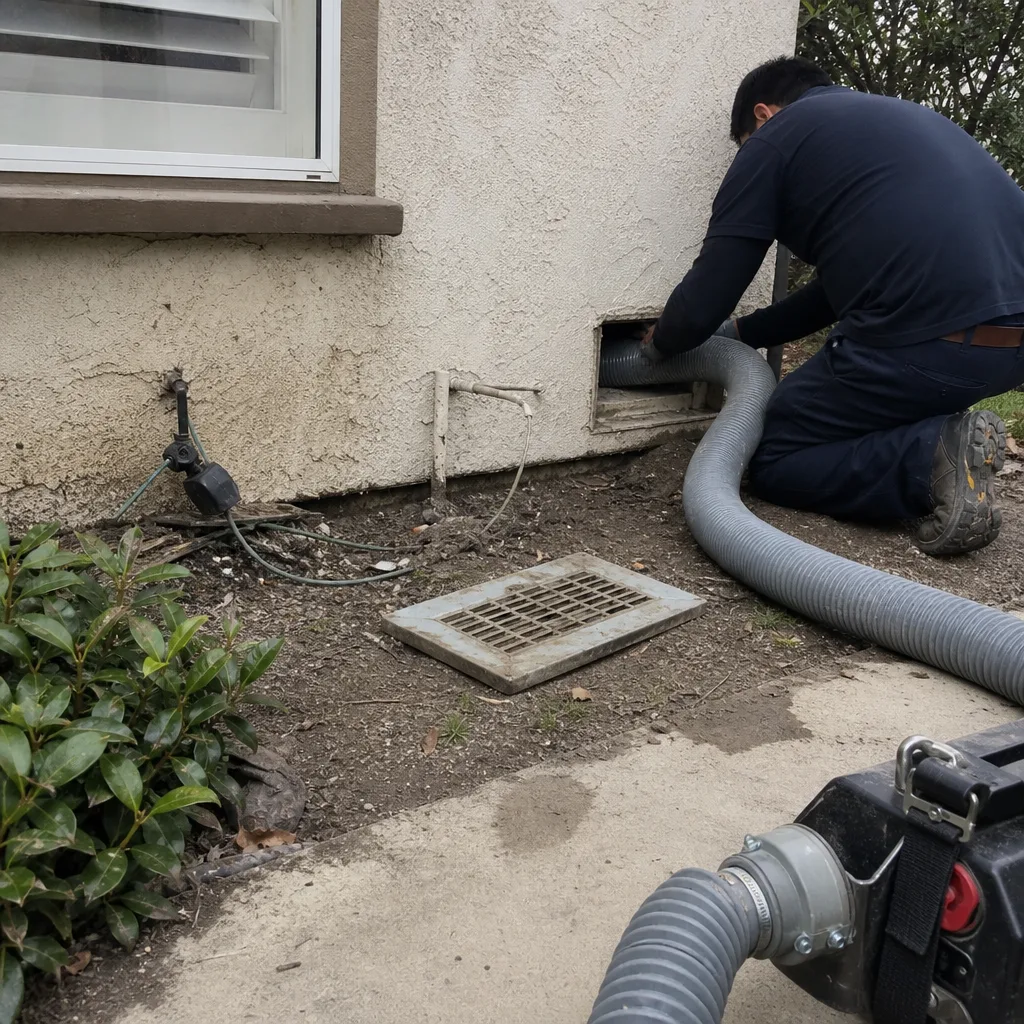 Before
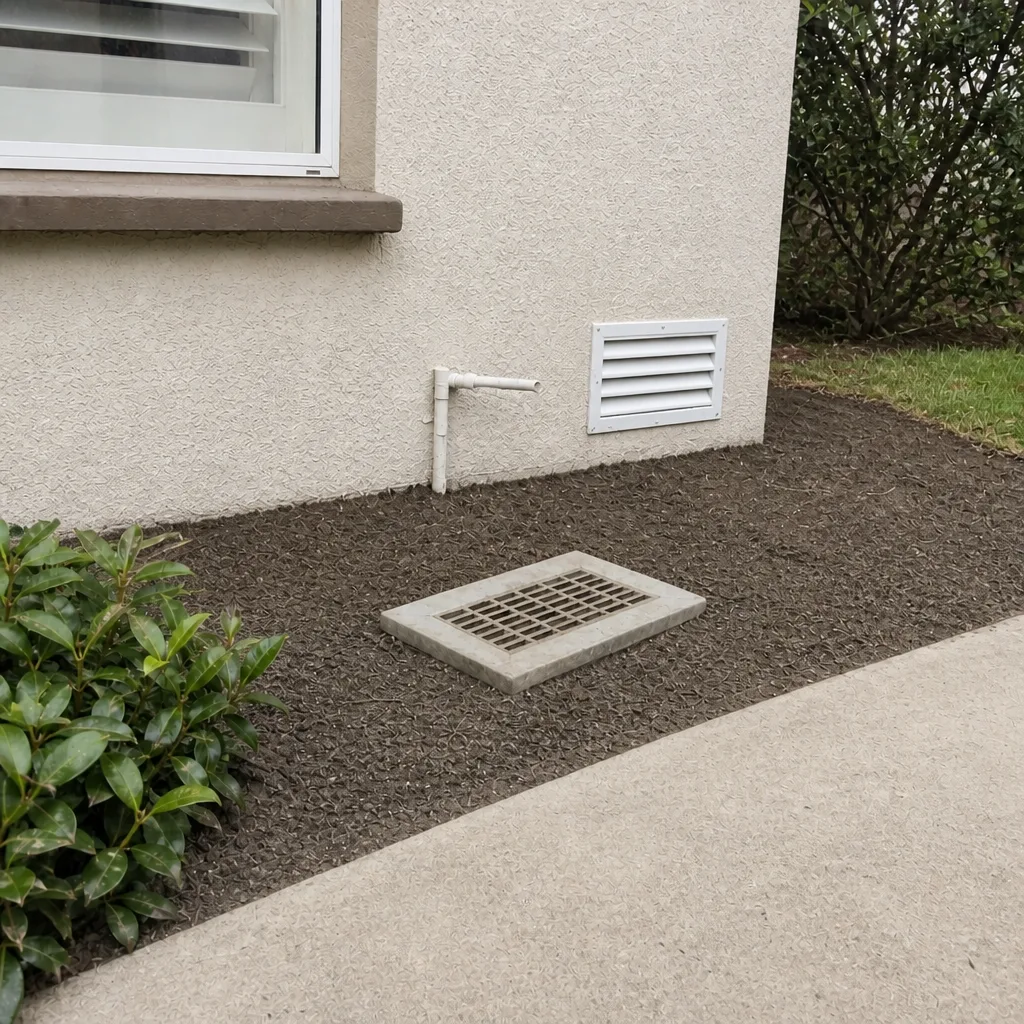 After
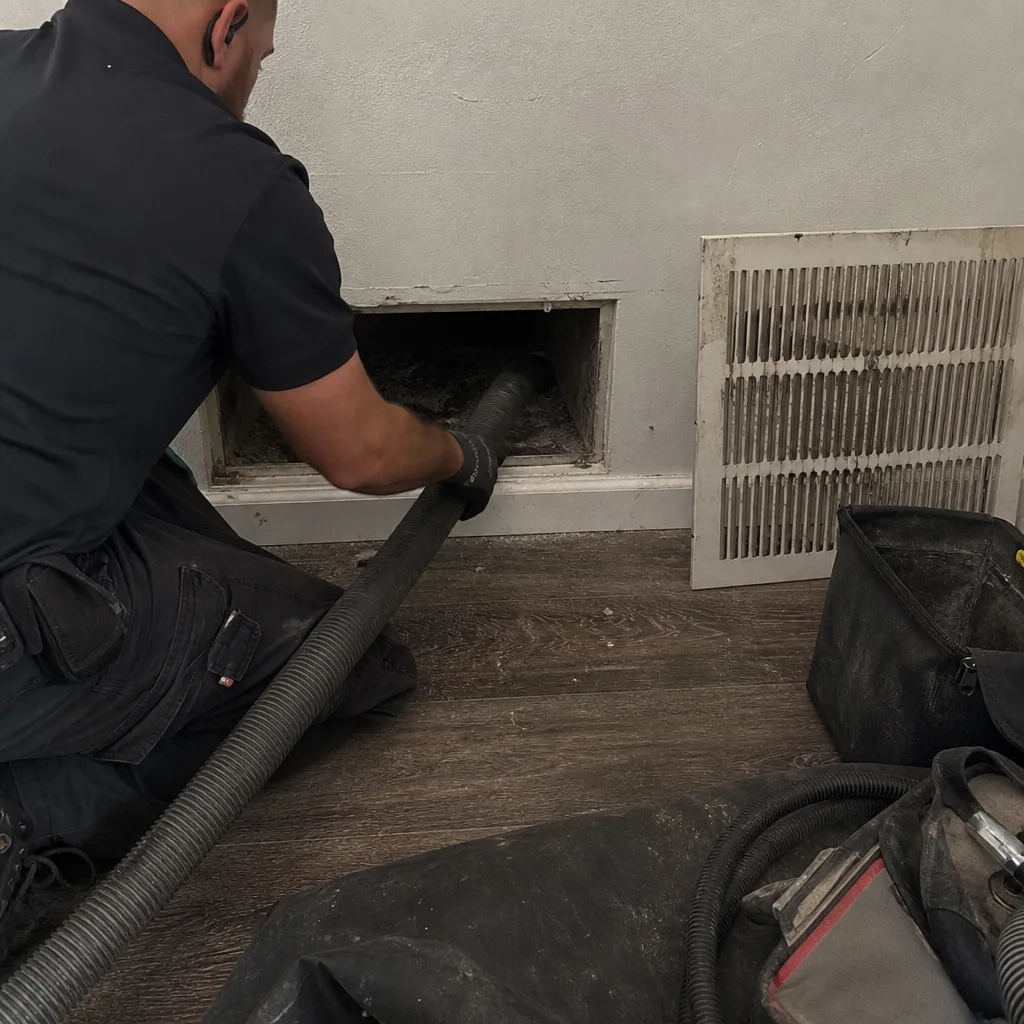 Before
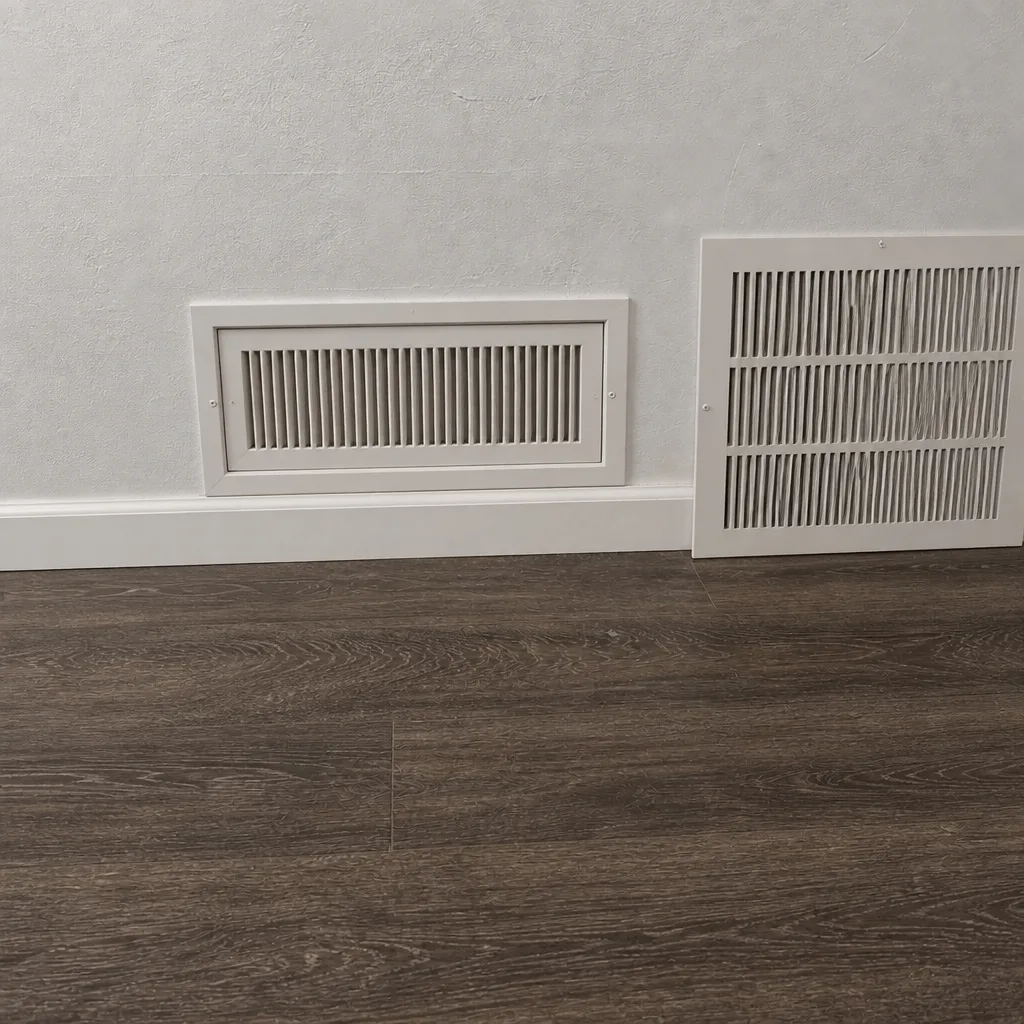 After
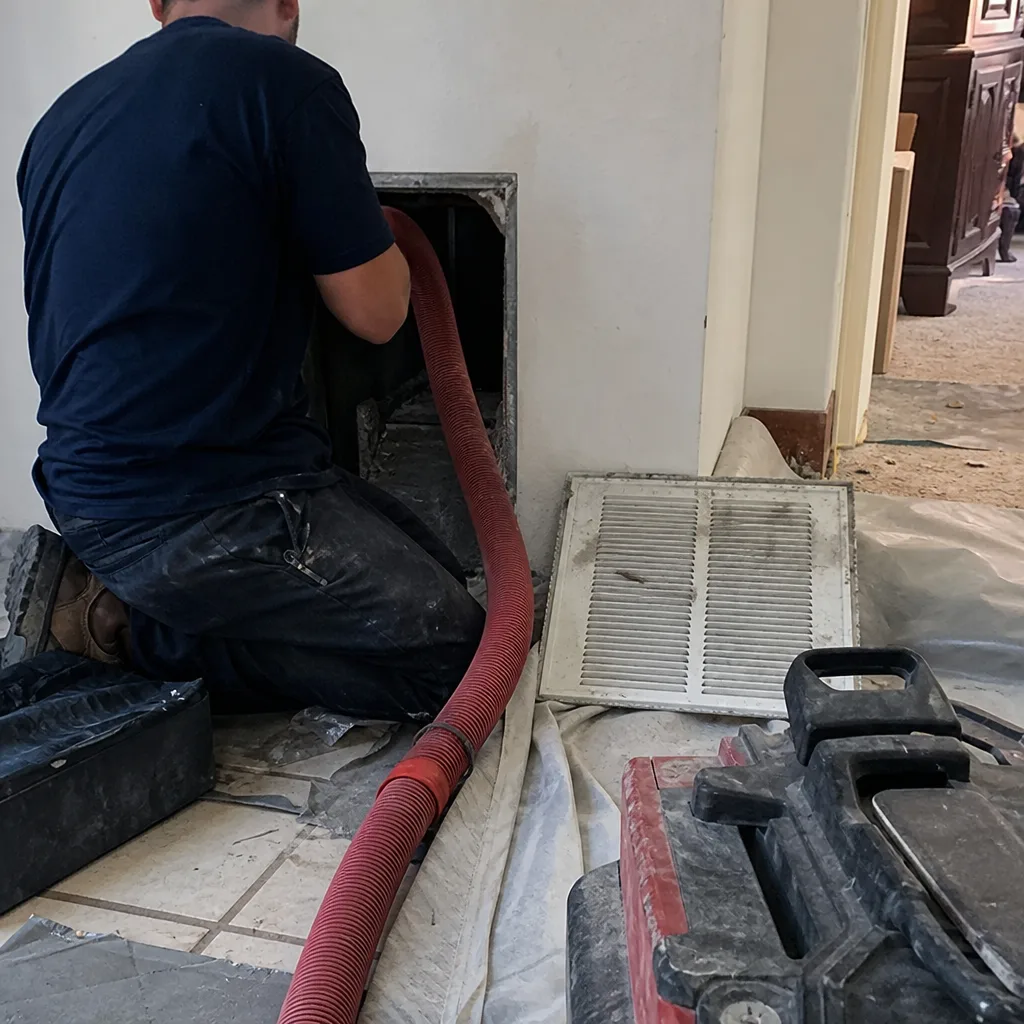 Before
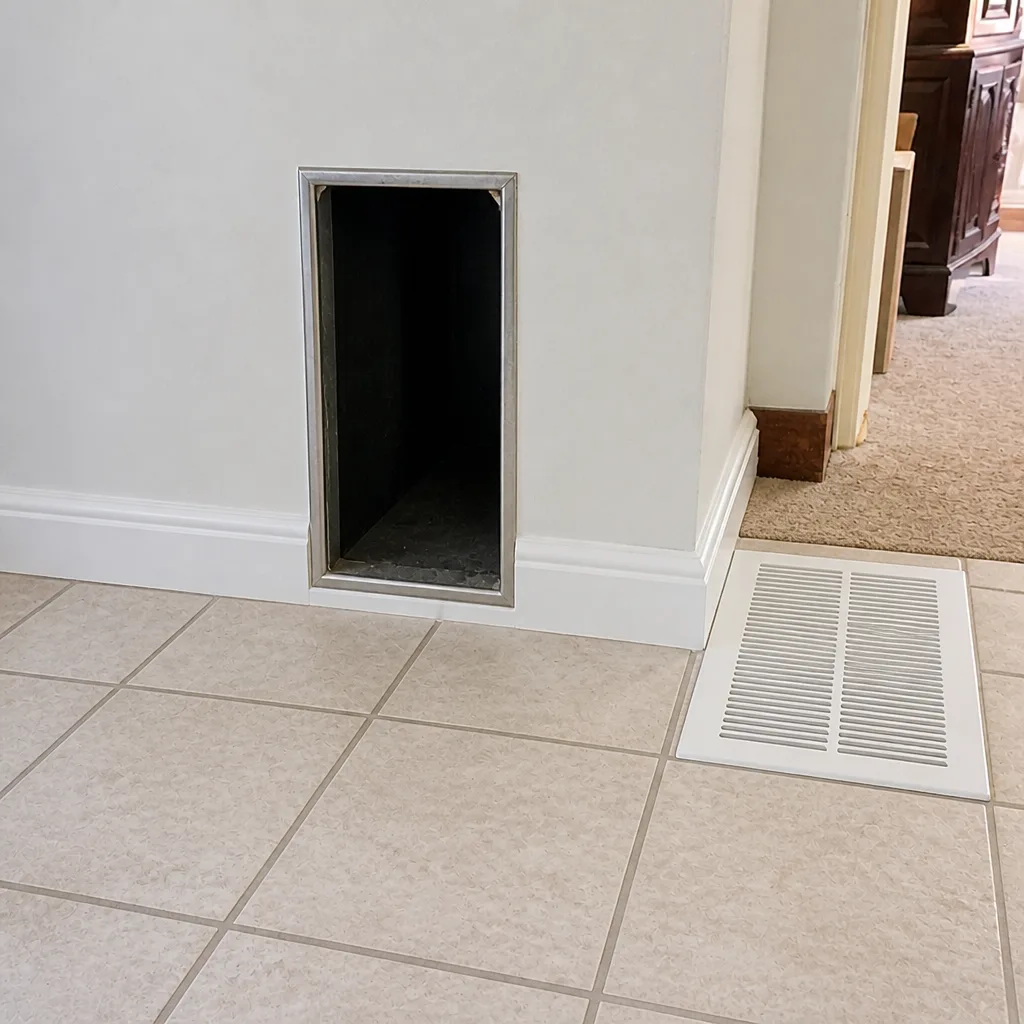 After